

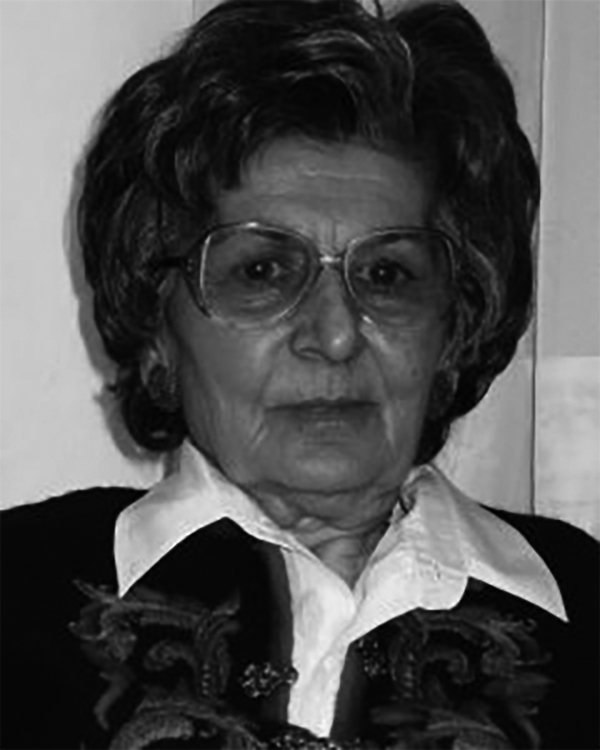
Who was Yurdanur Özdinç? (Erzincan, 1934 – Ankara, 2014)
Yurdanur Özdinç, one of the prolific names in Turkish painting, is an artist who has primarily participated in group exhibitions, workshops, and art education-based production environments. She gained visibility within the Ankara-based art scene, particularly after the 1980s, and established herself within the contemporary Turkish painting tradition.
Her Life and Art Education:
From 1956 to 1986, she worked as a Chemical Engineer at the Ankara Sugar Factory, holding founding and administrative positions.
Between 1984 and 1994, she was among the artists who received painting training at the Kayıhan Keskinok workshop. This workshop is considered one of the important examples of the workshop tradition and artist training model in Turkey. During this period, artists received theoretical and practical painting training and developed their painting language through disciplined workshop work.
Entry into the Art Scene and Exhibition Activities;
Yurdanur Özdinç has gained visibility in her artistic life primarily through group exhibitions.
• She participated in the “Group 16” exhibition held in Cappadocia, which was one of the important events documenting the artist’s active production period. In this exhibition, the artist exhibited her works together with artists from the Keskinok workshop.
• She also participated in group exhibitions held in Istanbul; bringing her works together with contemporary artist generations to the art audience.
The Cappadocia exhibition is particularly important in terms of regional art events.
This event is noteworthy because it allowed artists to exhibit their works in the Cappadocia region, which has a strong historical and cultural fabric.
Artistic Perspective;
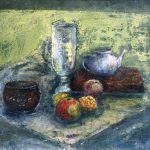
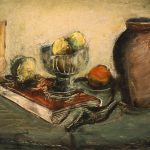
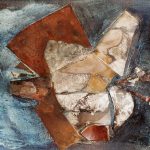
Although extensive academic analyses of the artist's work are limited, indirect sources indicate that the artist produces work in the following areas:
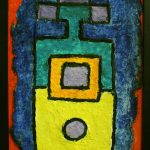
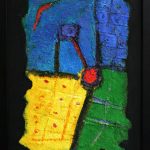
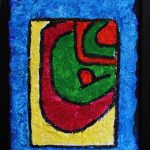
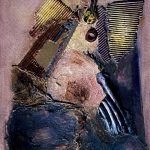
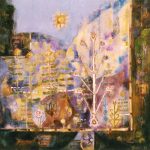
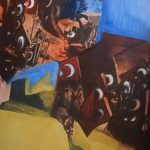
• Abstract painting studies
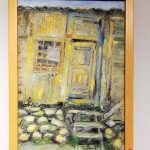
• Oil painting and mixed media applications
• Workshop-based production and art education
It is stated that she is among the artists who teach abstract painting and mixed media applications in some art education programs.
Her Place in the Art Scene;
Yurdanur Özdinç can be evaluated, in particular, within:
• The generation of artists trained within the studio tradition
• Artists producing within the group exhibition culture
• The Ankara-based art production environment.
The artist's name is included in the period after 1980 in Turkey, when female artists became more visible in group exhibition and studio-based production environments.
In addition to 5 solo exhibitions, the artist participated in:
Cappadocia – Group 16 Exhibition
The artist participated in the Group 16 exhibition held in the Cappadocia region, known for its historical and cultural texture.
This exhibition is considered one of the important events where artists originating from the Keskinok studio showcased their collaborative works.
Istanbul – Group Exhibitions
The artist has participated in group exhibitions held in Istanbul at different times.
These exhibitions have generally been exhibitions presenting the collaborative works of artists within contemporary Turkish painting.
Ankara – Group Exhibitions and Studio Exhibitions
The artist has participated in art events and studio exhibitions based in Ankara. These exhibitions were mostly organized within the context of art education, studio production, and collective art production.
General Characteristics of Her Artistic Identity:
• A production approach based on studio discipline
• Participation in the art scene through group exhibitions
• Openness to abstract and experimental techniques
• An approach that emphasizes the relationship between education and production
Although biographical data is limited, Yurdanur Özdinç is among the artists in Turkey who grew up in the studio tradition and played an active role in the mixed exhibition culture. She is particularly considered within the generation of artists who developed around the Keskinok studio. The artist's production can be considered one of the examples reflecting the structure of the Turkish painting scene after 1980, which developed through collective production, studio education, and group exhibitions.
-
- Yurdanur Özdinç

-
- Yurdanur Özdinç

-
- Yurdanur Özdinç

-
- Yurdanur Özdinç

-
- Yurdanur Özdinç

-

- Yurdanur Özdinç

-
- Yurdanur Özdinç

-
- Yurdanur Özdinç

-
- Yurdanur Özdinç

-
- Yurdanur Özdinç

-
- Yurdanur Özdinç

-
- Yurdanur Özdinç
