

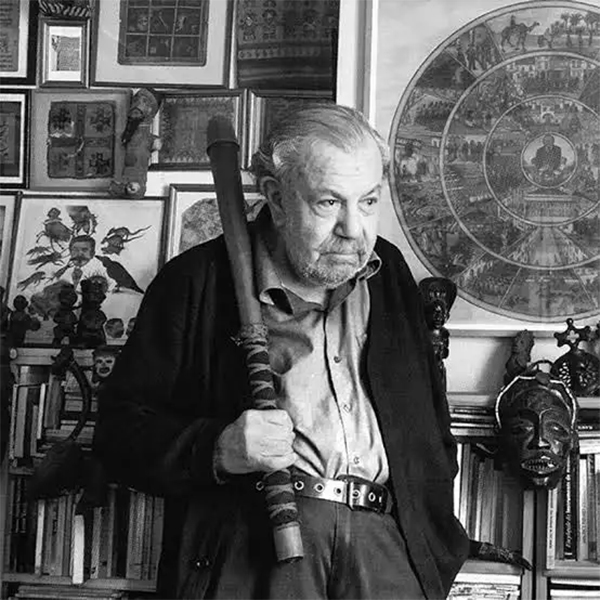
Who was Yüksel Arslan? (1933 Istanbul – 2017 Paris)
One of the Pioneers of Arture Technique and Conceptual Painting
His Life and Education;
Yüksel Arslan was born on July 24, 1933, in Bahariye neighborhood of Fatih district in Istanbul. He was the second of four children of a factory worker family that had migrated from Anatolia to Istanbul. Interested in painting from his childhood, Arslan attended Eyüp Secondary School between 1945–1948 and Istanbul Boys’ High School between 1949–1952. During his high school years, he exhibited his first paintings, influenced by Paul Klee, on the school walls. He studied at the Department of Art History at Istanbul University between 1953–1954. During this period, he participated in trips to Anatolia, having the opportunity to closely examine traditional arts and the works of Anatolian civilizations.
He held his first exhibition in 1955 at the Maya Art Gallery, managed by Adalet Cimcoz, under the title “Relationship, Behavior, Praise to Difficulties.” All the works in this exhibition, which received praise from critics such as Ferit Edgü and Sezer Tansuğ, were sold. Inspired by Jacques Mauduit’s work, “40,000 Years of Modern Art,” he began to apply a technique he would use in all his later works. He first used this technique, in which he produced his own paints using materials such as earth pigments, honey, egg white, soap, herbs, tea, tobacco, bone marrow, blood, and urine, in his series “Human Days.” Arslan completed his military service in Eleşkirt in 1957-58. In 1959, his second solo exhibition in Istanbul, “Phallisme,” received praise from figures such as Adnan Benk and Mazhar İpşiroğlu. André Breton, who saw Arslan’s paintings through Edouard Roditi, invited the artist to the International Surrealism Exhibition to be held in Paris at the end of 1959. However, Arslan could not participate in the exhibition. In 1961, Arslan went to Paris to exhibit 15 of his paintings in a gallery and began to live there. He participated in various exhibitions. During his solo exhibition Homunculus-cucus-palus, planus-phallus-micrococcus in 1962, Jean Dubuffet, who saw Arslan’s works, began to correspond with the artist and bought one of his paintings. During this period, Arslan created the term “arture” by combining the French words “art” and “peinture” to name his paintings, and he identified his works with this name from then on. In 1965, he spent 10 months in Berlin. He met his wife Lidy, and their first child, Artur, was born.
Artistic Development and First Exhibitions;
Arslan held his first solo exhibition in 1955 at the Maya Art Gallery, managed by Adalet Cimcoz, under the title "Relationship, Behavior, Praise to Difficulties." The exhibition received positive reviews from prominent art critics such as Ferit Edgü and Sezer Tansuğ, and all the works in the exhibition were sold.
Influenced by Jacques Mauduit's work "40,000 Years of Modern Art," he began to develop the technical approach he would use throughout his artistic career.
Arture Technique and Artistic Approach;
Yüksel Arslan named the works he produced using his self-developed technique "arture." This term is derived from the combination of the French words art (art) and peinture (painting). In this technique, the artist used natural materials instead of conventional paints. These included unusual materials such as:
• Earth pigments
• Honey
• Egg white
• Soap
• Plants
• Tea
• Tobacco
• Bone marrow
• Blood and urine. This technique was first used prominently in the Human Days series.
Paris Years and International Recognition;
He served in the military in Eleşkirt in 1957–1958. His second solo exhibition, Phallisme, which he opened in Istanbul in 1959, received positive reviews from important art circles.
In the same year, he was invited to the International Surrealism Exhibition by André Breton, but could not attend. In 1961, he went to Paris and spent most of his life there. During his exhibition in 1962, Jean Dubuffet saw the artist's works, contacted him, and bought one of his pieces.
In 1965, he was in Berlin. During this period, he met his wife Lidy, and their first child, Artur, was born.
Censorship, Controversies, and Philosophical Influences;
Philosophy held an important place in the artist's intellectual world:
• 1960–1967 → Nietzsche influence
• After 1969 → Karl Marx influence
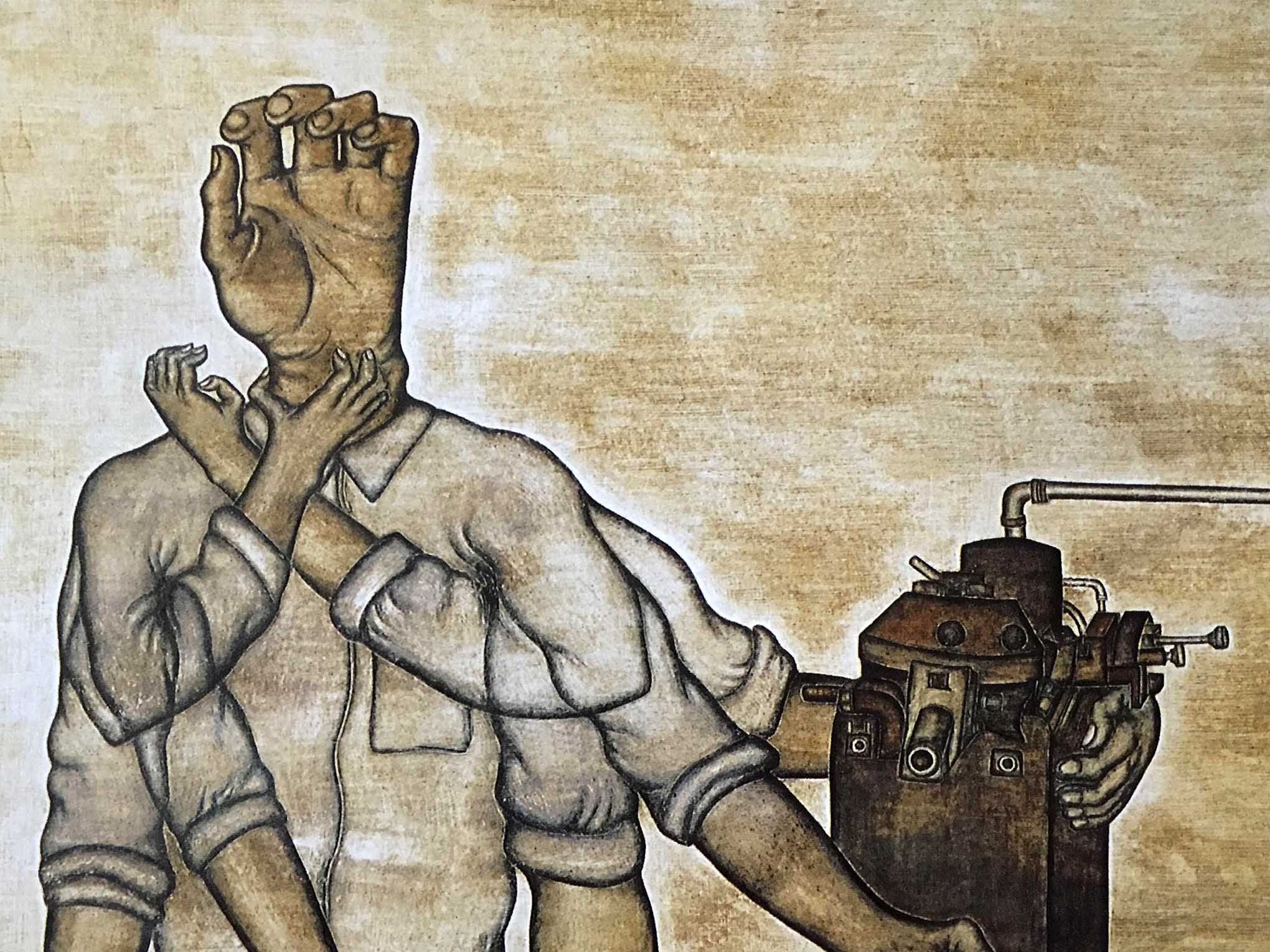
He produced the Alienations series based on Marx's manuscripts. Then, between 1969–1975, he created the Capital Series. This series was later published as a book.
Major Series Projects;
Capital Series (1969–1975)
Produced inspired by Karl Marx's Das Kapital.
Updating Capital (1975–1979)
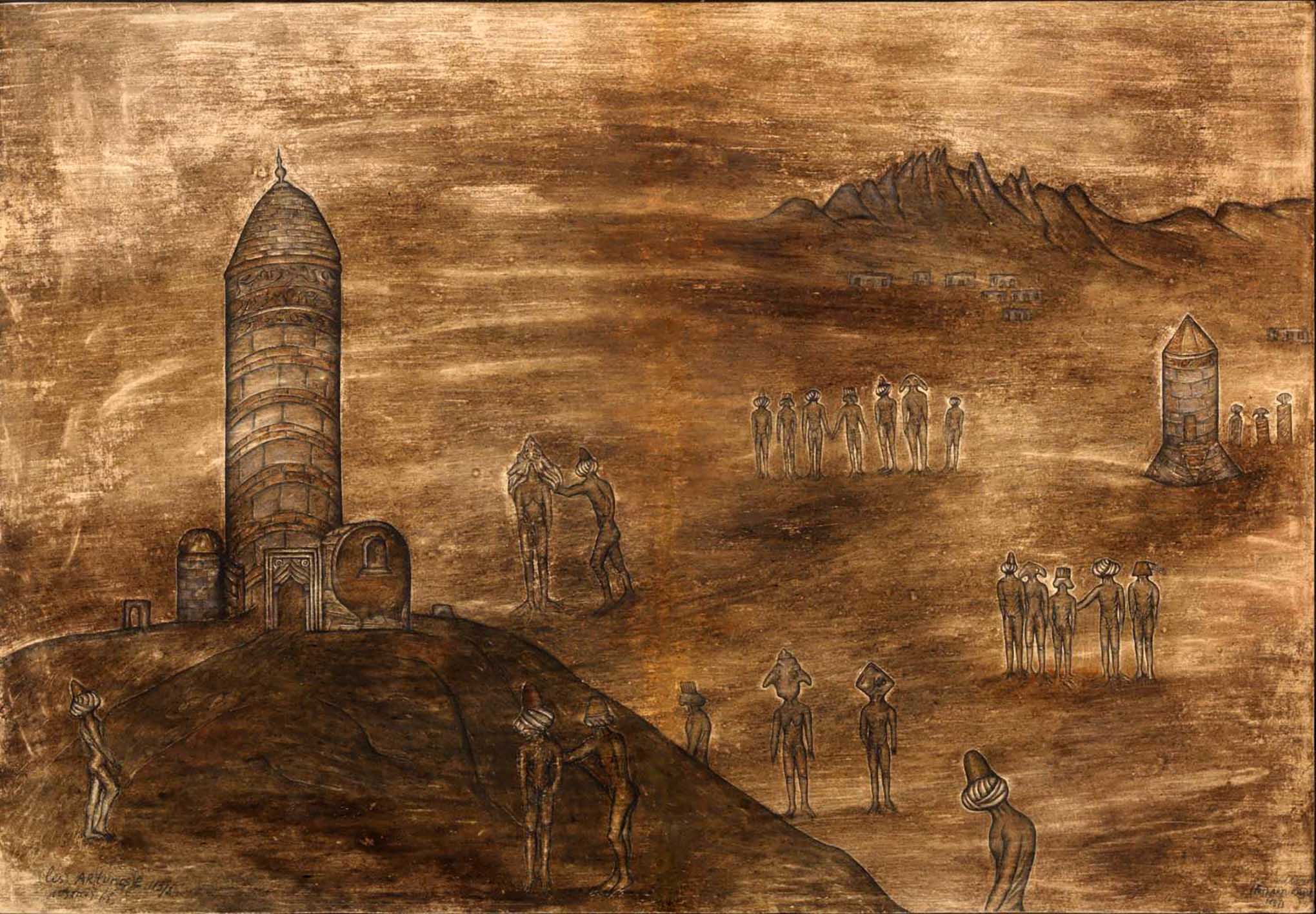
Influences Series (1980–1984)
Consists of 126 artures. It includes all the elements that influenced the artist from prehistory to the present day.
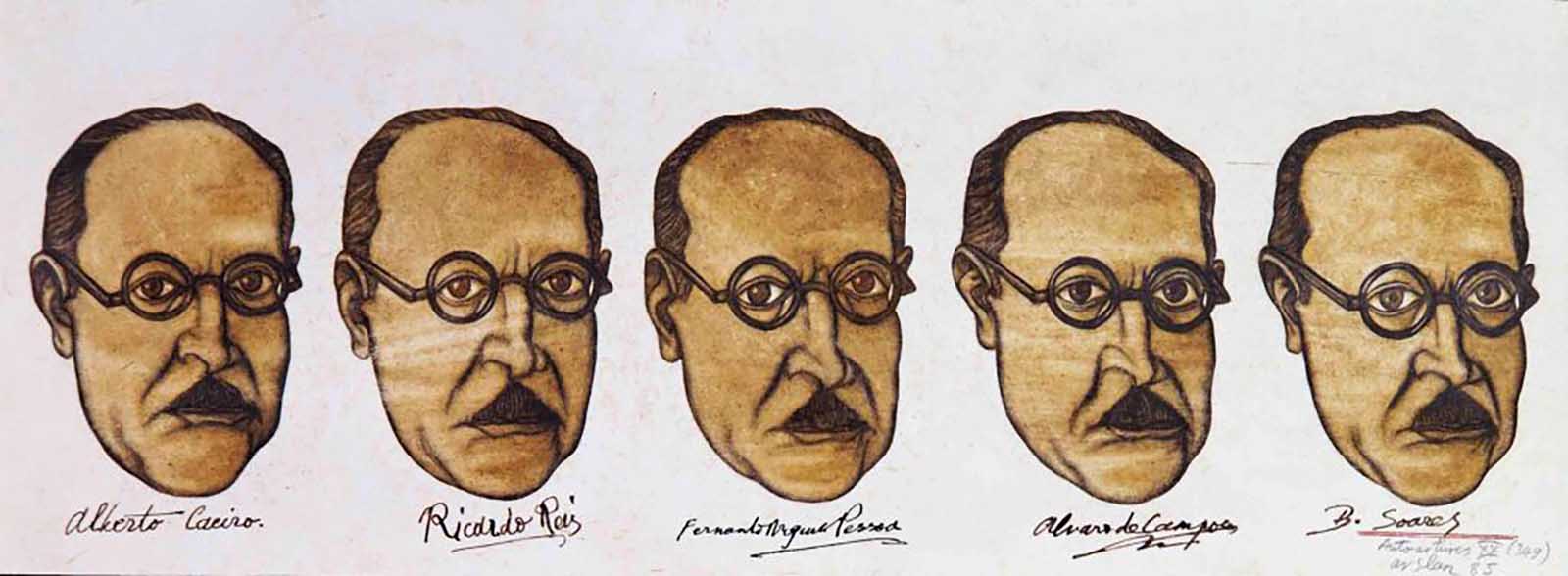
Autoarture (1984–1986)
Autobiographical works based on the artist's own life.
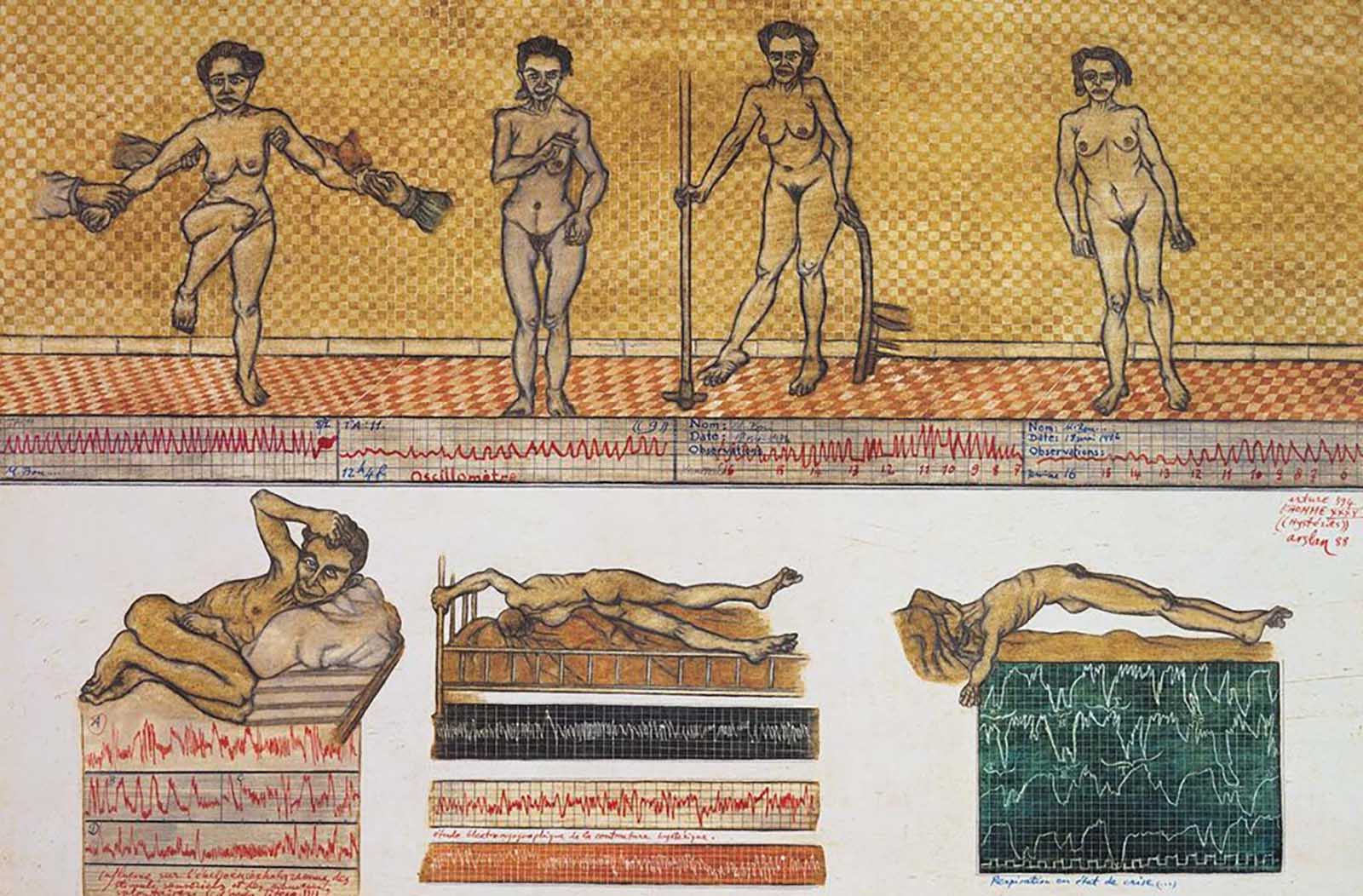
Human Series (1986–2000)
Inspired by Aleksandr Oparin's book *The Origin of Life*.
New Influences (post-2000)
A continuation of the Influences series.
Awards;
• 1981 — Sedat Simavi Visual Arts Award (together with İlhan Koman)
• 1982 — Humour Noir Grandville Black Humor Award (France)
Exhibitions;
He held numerous exhibitions in Turkey, mainly in Istanbul and Ankara. Internationally, he participated in or held solo exhibitions in cities such as:
• Paris
• Venice
• Copenhagen
• Frankfurt
• Liège
• Washington
• New York
• Vienna
• Prague
Books;
• Notebooks 1965–1994 – Galeri Nev (1996)
• The Power of Laughter is Great and Terrible – (with Philippe Krebs, 2005)
• I Have No Obsession with Western Culture – (with Ferit Edgü, 2011)
• New Influences – Sel Yayıncılık (2015)
• Man / The Creation of Man – (with Jacques Vallet, 2017)
• A Life – Dirimart (2017)
His Last Years;
Yüksel Arslan spent most of his life in France and passed away in Paris on April 20, 2017.
Yüksel Arslan developed a unique artistic language that went beyond traditional painting techniques, bringing together painting, writing, thought, and biology. With his Arture technique, he has established a unique position in both the Turkish and European art scenes. Particularly with his approach that combines Marx, Nietzsche, and scientific thought with art, he has carved out a unique place for himself in contemporary art.
-

- Yüksel Arslan
-

- Yüksel Arslan

-

- Yüksel Arslan

-

- Yüksel Arslan

-

- Yüksel Arslan
-

- Yüksel Arslan

-

- Yüksel Arslan

-

- Yüksel Arslan

-

- Yüksel Arslan

-

- Yüksel Arslan

-

- Yüksel Arslan
-

- Yüksel Arslan

-

- Yüksel Arslan

-

- Yüksel Arslan

-

- Yüksel Arslan

-

- Yüksel Arslan
-

- Yüksel Arslan

-

- Yüksel Arslan

-

- Yüksel Arslan

-

- Yüksel Arslan

-

- Yüksel Arslan

-
- Yüksel Arslan

-

- Yüksel Arslan

-
- Yüksel Arslan

-
- Yüksel Arslan
