
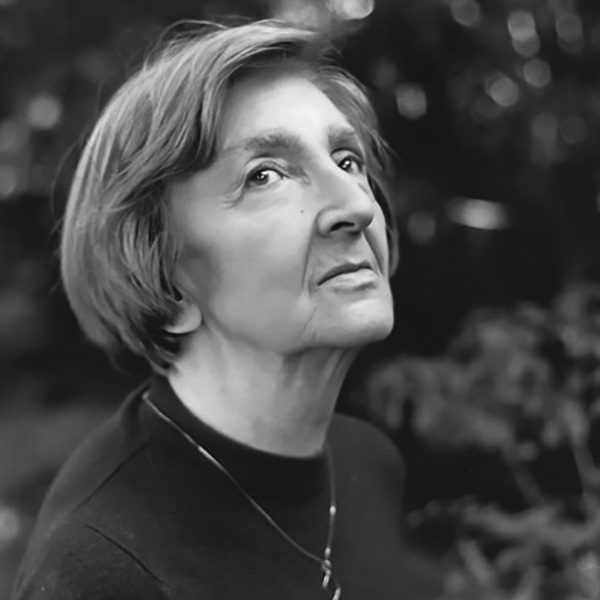
Who was Tiraje Dikmen? (1925 Istanbul – September 1, 2014 Istanbul)
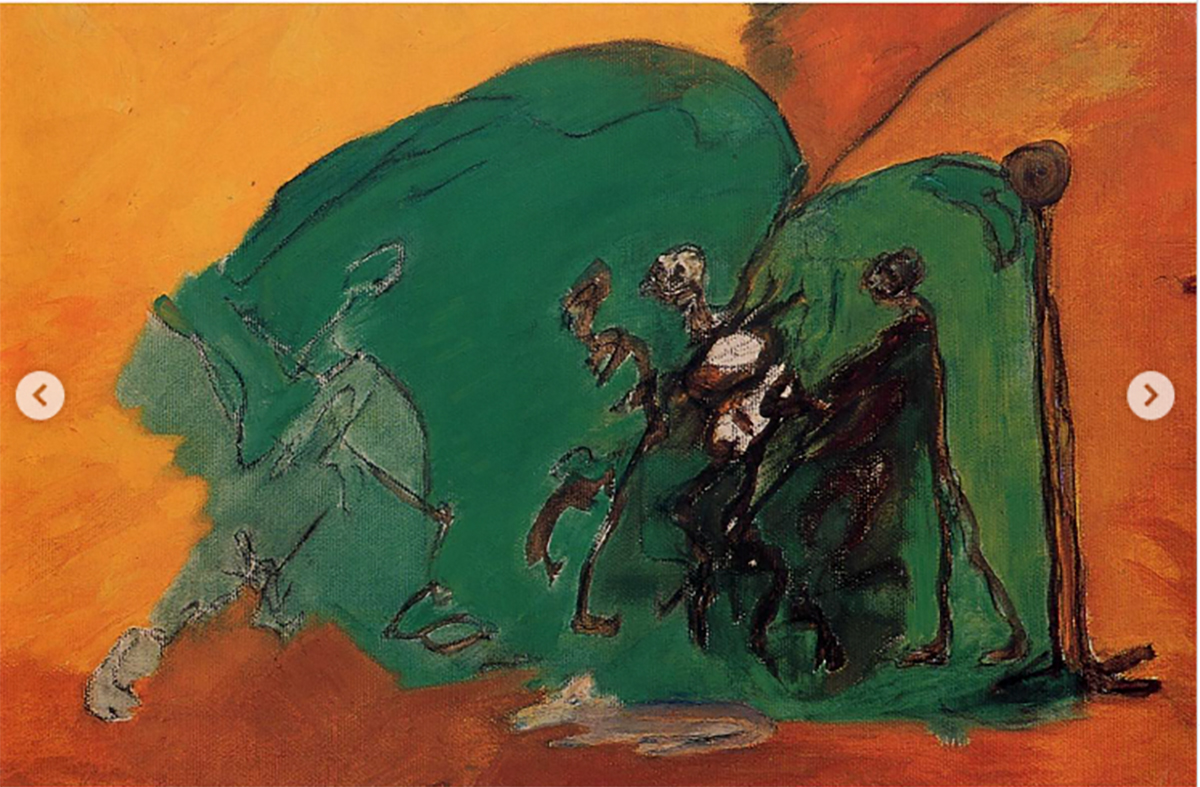
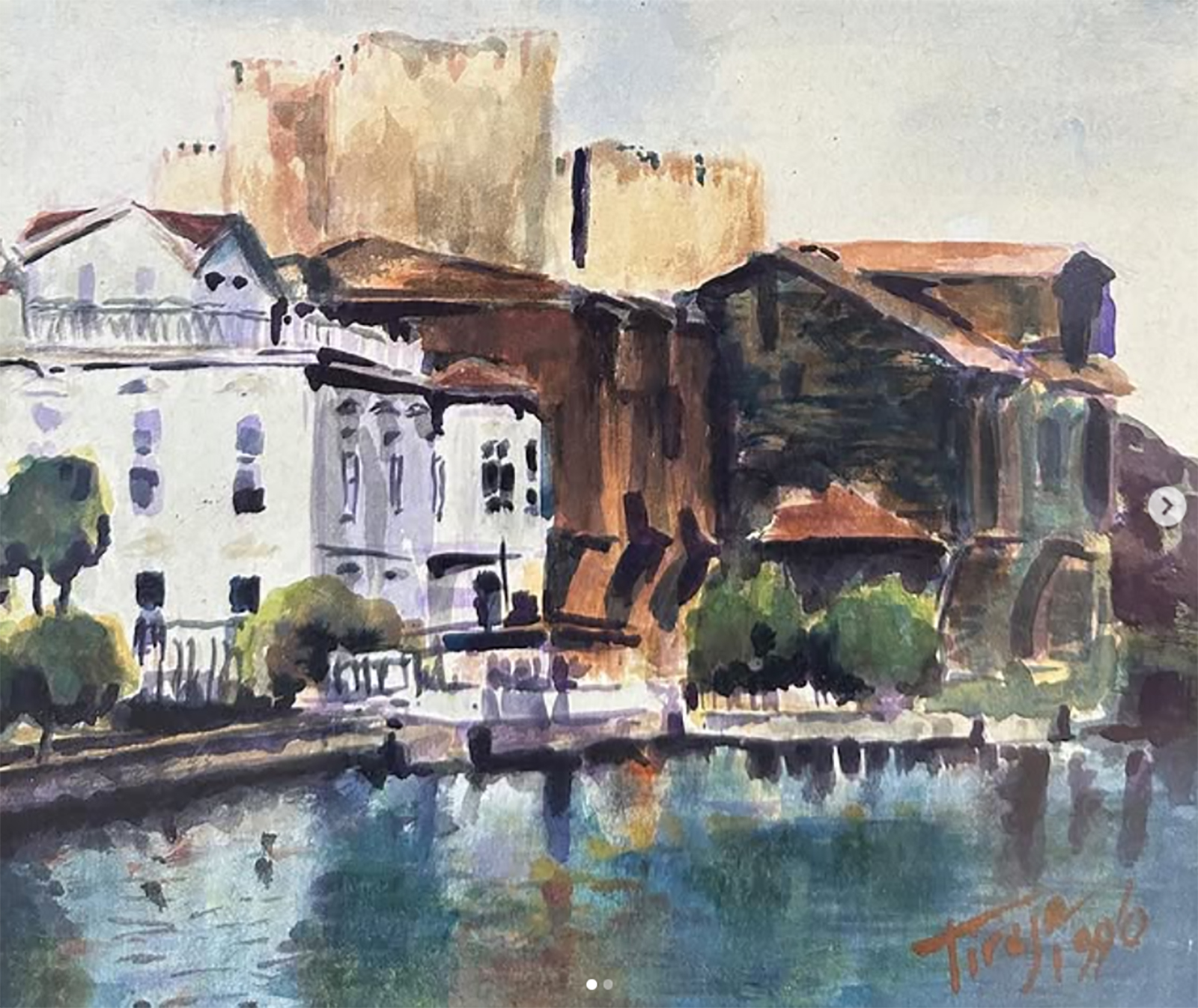
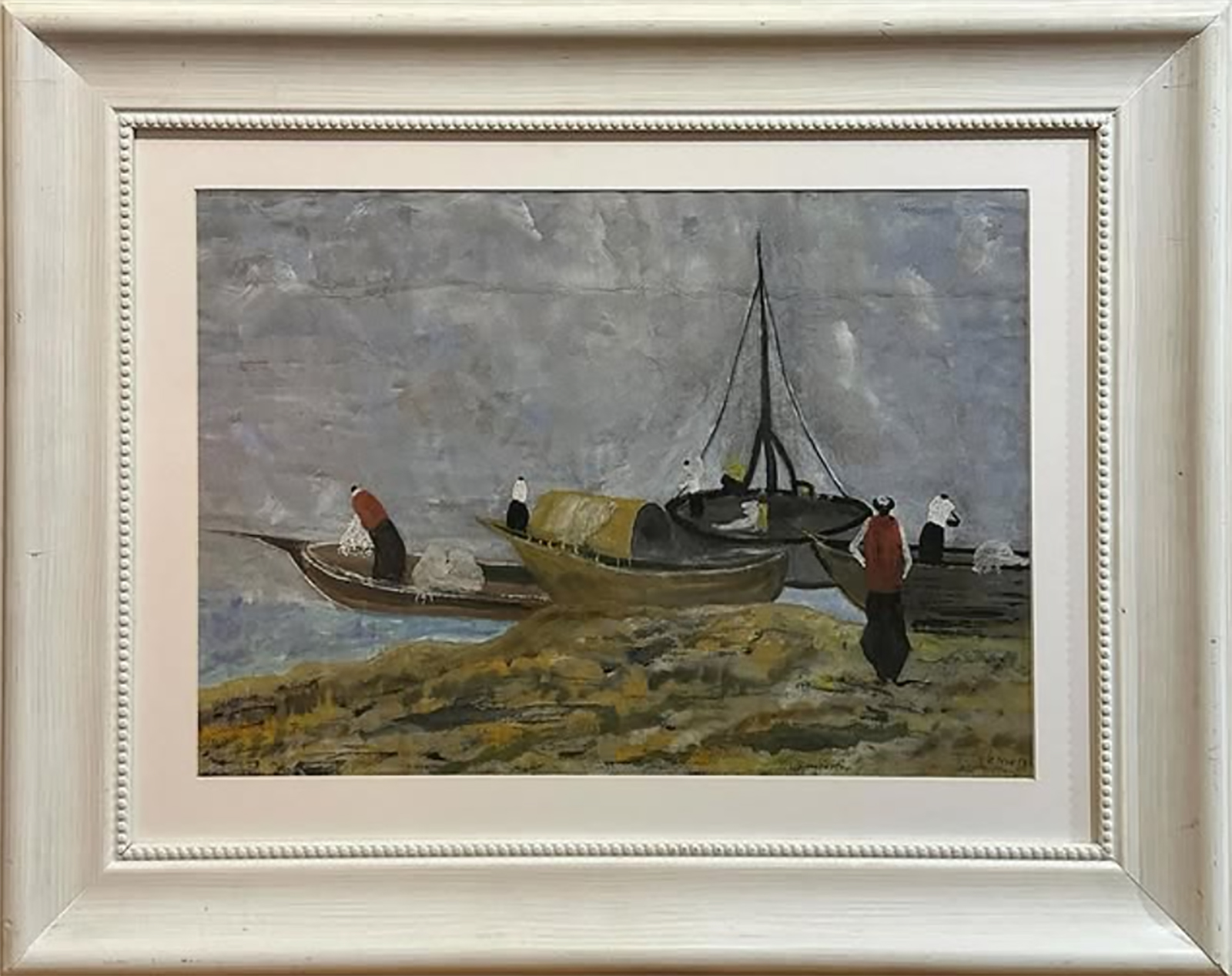
Fatma Tiraje Dikmen is one of the most important representatives of Turkish modern painting who gained fame beyond the country’s borders. With her original approach to color, figure, and abstraction, she earned a respected place in both Turkish and Parisian art circles. Her works, associated with surrealism in the international art world, are among the strong examples of the intellectual connection that modern Turkish painting established with Europe.
Life;
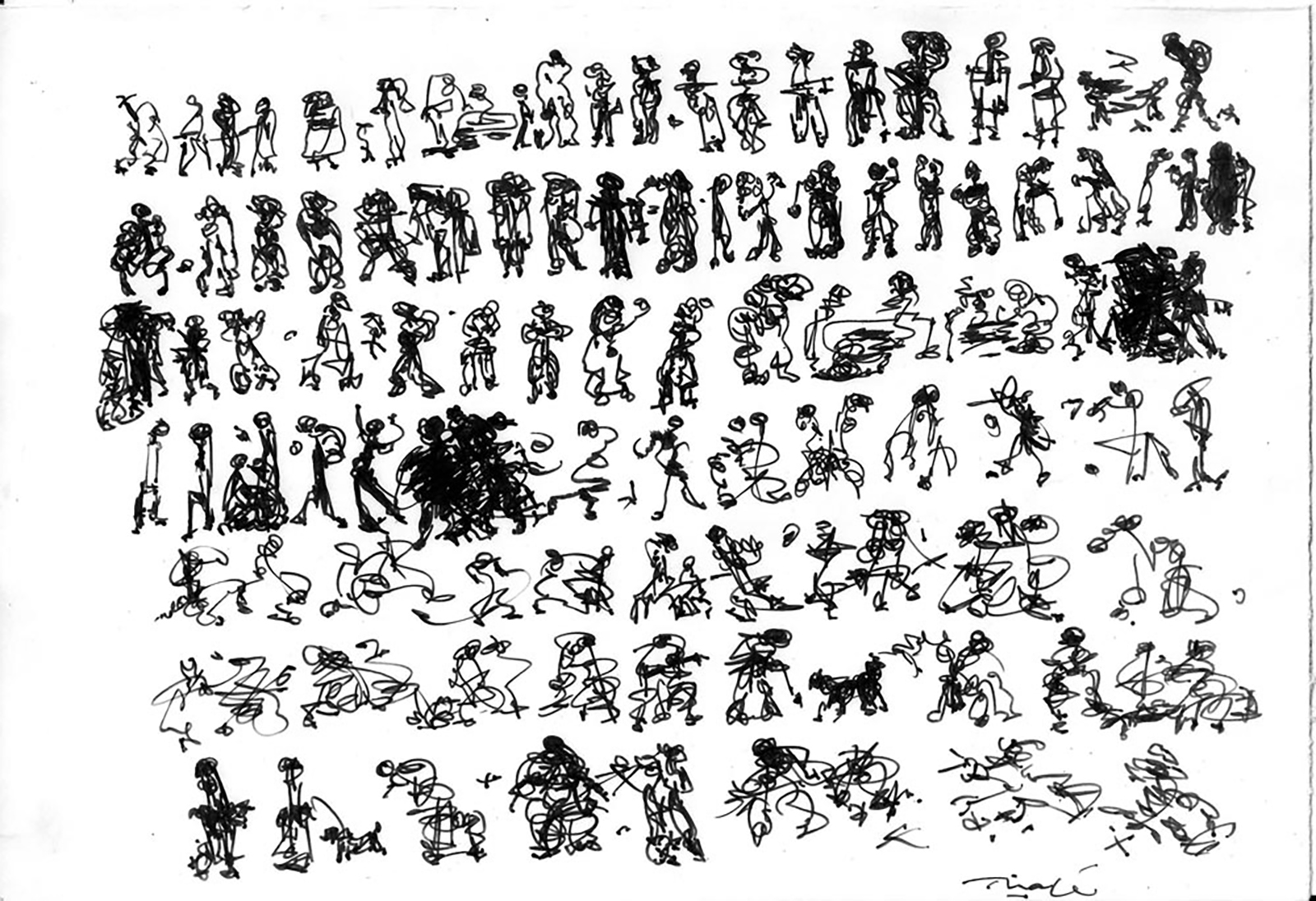
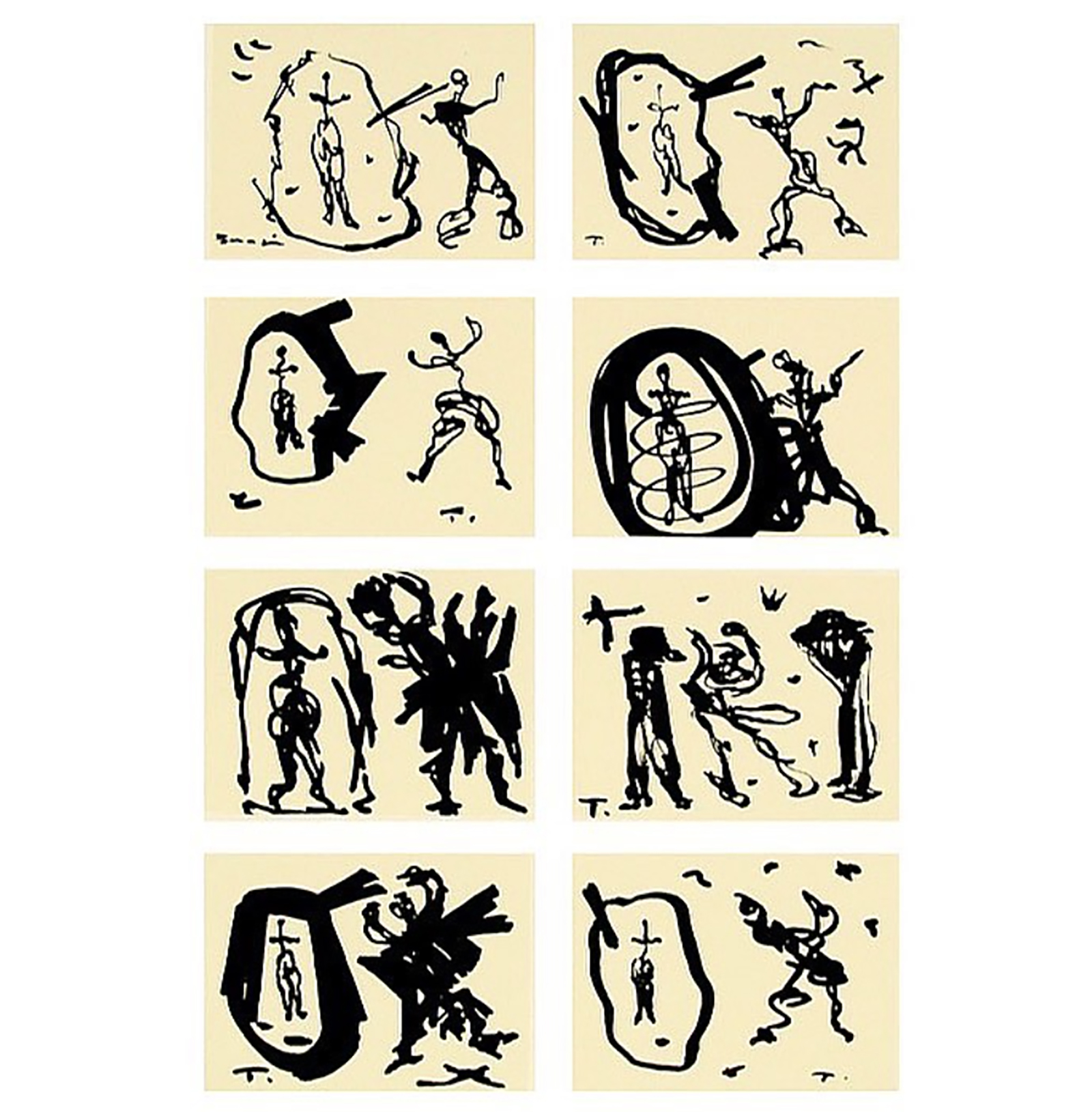
Tiraje Dikmen was born in 1925 in Büyükada, Istanbul. Her father was Cafer Fahri Bey, a Georgian immigrant from Batumi and one of Turkey’s first microbiologists. She was the second child in a family of two; her older sister was the painter Şükriye Dikmen. Her family environment was highly qualified both scientifically and artistically. The fact that painters such as Namık İsmail and Feyhaman Duran were close to the family enabled Dikmen to come into contact with art at an early age. At her father’s insistence, she learned French at a young age along with her older sister. She graduated from Işık High School in 1940. She then graduated from Istanbul University Faculty of Economics in 1946 and completed her doctorate at the same faculty. As part of her doctoral thesis entitled “Working Conditions of Female Workers in Istanbul,” she conducted extensive field research in the Cibali, Eyüpsultan, Tophane, and Üsküdar districts between 1946 and 1949. This sociological and economic background laid the groundwork for her later in-depth exploration of the relationship between humanity and society in her art. Between 1943 and 1948, she also attended Léopold Lévy’s studio as a private student at the Istanbul State Academy of Fine Arts. In 1949, she went to Paris on a French government scholarship. While attending the Faculties of Law and Economics in Paris, she continued her work in Lévy’s studio. During his first five years in Paris, he completed internships in art history and museology at the Louvre Museum and the Museum of Folk Art and Traditions. During this period, he established relationships with a circle that included figures such as Max Ernst, Yves Bonnefoy, Man Ray, and Jacques Herold. He produced drawings that explored the concept of the figure.
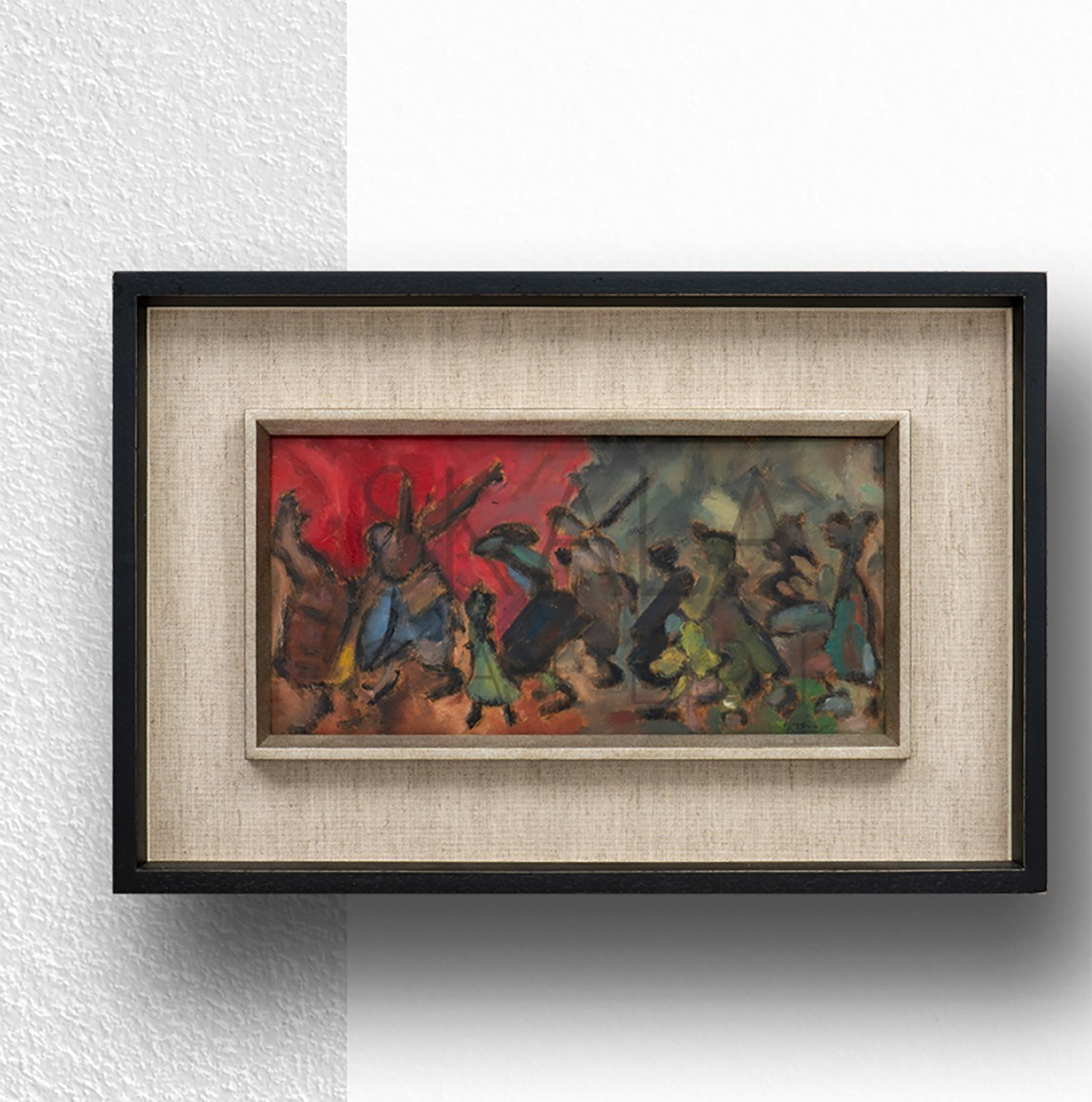
In 1956, he held his first solo exhibition at Galerie Edouard Loeb in Paris, exhibiting only his drawings. The support of Max Ernst, who purchased one of his drawings and wrote positive reviews, increased his visibility in the Paris art scene. During his second five years in Paris, he focused on the “phenomenon of color” and presented his oil paintings in an exhibition, again at Galerie Edouard Loeb.
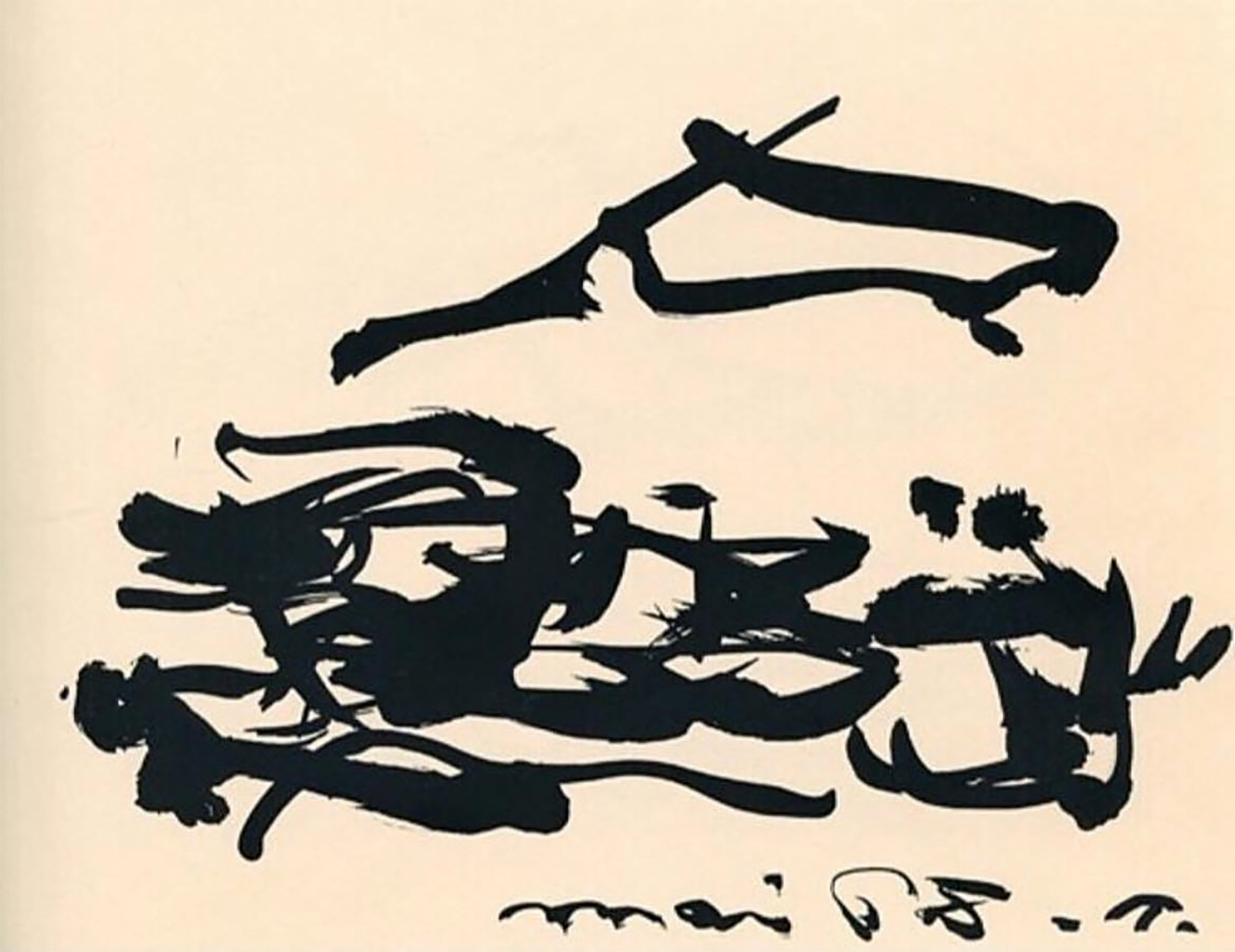
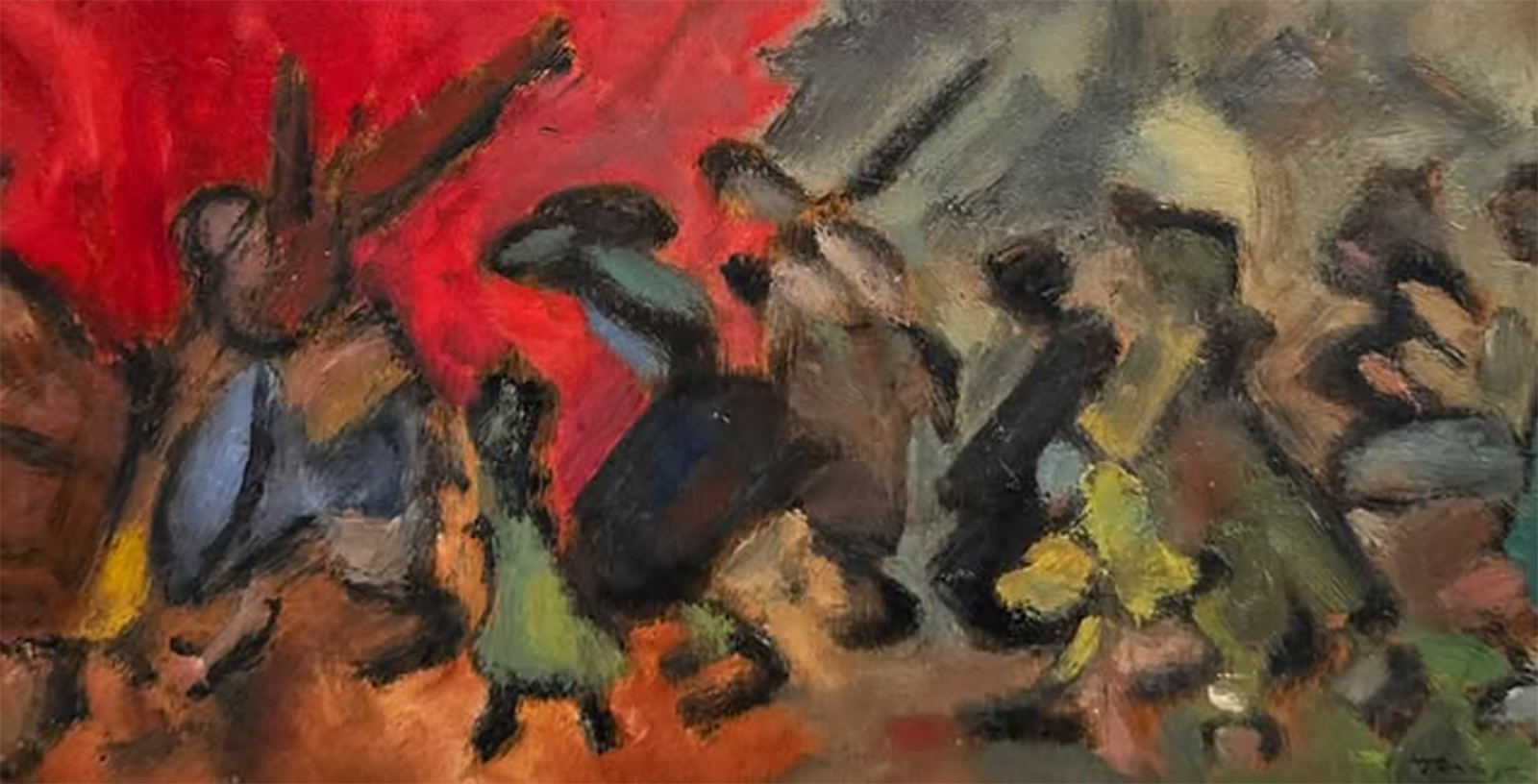
In 1961, he participated in the “Turkish Artists in Paris” exhibition held at the State Academy of Fine Arts in Istanbul. In 1963, he was featured in the “Contemporary Turkish Art” exhibition at the Musée d’Art Moderne in Paris. In 1964, she was invited to the exhibition “Le Surréalisme: Source – Histoire – Affinités,” held at Galerie Charpentier in Paris, one of the most important galleries of the time, and considered one of the most significant exhibitions in the history of Surrealism. That same year, she held a solo exhibition at Galerie Birtschansky. Léopold Lévy, who passed away in 1966, appointed Tiraje Dikmen as his official heir, leaving his studio and works to her. With a sense of responsibility towards her teacher, Dikmen prepared a detailed archive of all of Lévy’s works and continued her work in this studio from 1967 onwards. The May 1968 events in France deeply affected the artist; she interpreted this period in her series titled “Mai 1968.” With these works, which she brought from Paris, she held her first solo exhibition in Istanbul in 1970. From the 1980s onwards, she lived primarily in Istanbul, in the mansion where she was born on Büyükada Island. However, she never closed her studio in Paris and noted in her biography, “She never left Paris.”
In 1985, she opened her fourth solo exhibition, “Memory of Times,” at Galeri Nev in Ankara. In the 1990s, she primarily produced works focusing on the theme of migration. She particularly avoided exhibitions, preferring experimental works.
Tiraje Dikmen passed away on September 1, 2014. She was buried in Tepeköy Cemetery in Büyükada. Her grave and house in Büyükada are among the important witnesses of art history. The artist's house and art archive in Büyükada remained neglected for a long time due to legal disputes. The rectorate of Mimar Sinan Fine Arts University announced that Dikmen's works are being preserved under the university's custody.
Art Perspective;
Tiraje Dikmen's art develops along three main axes: figure, color, and abstraction.
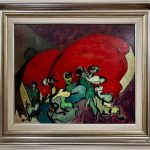
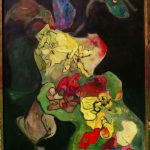
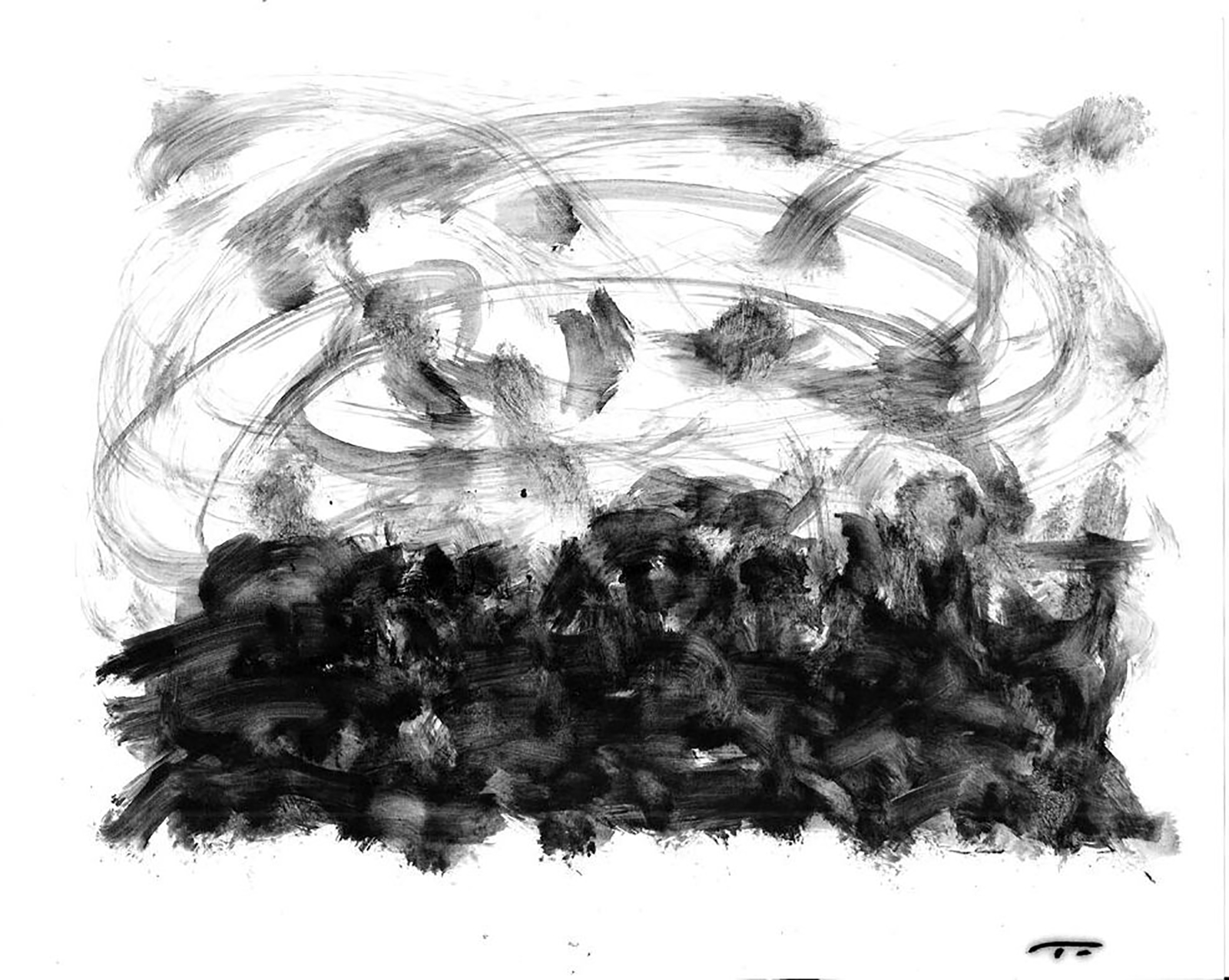
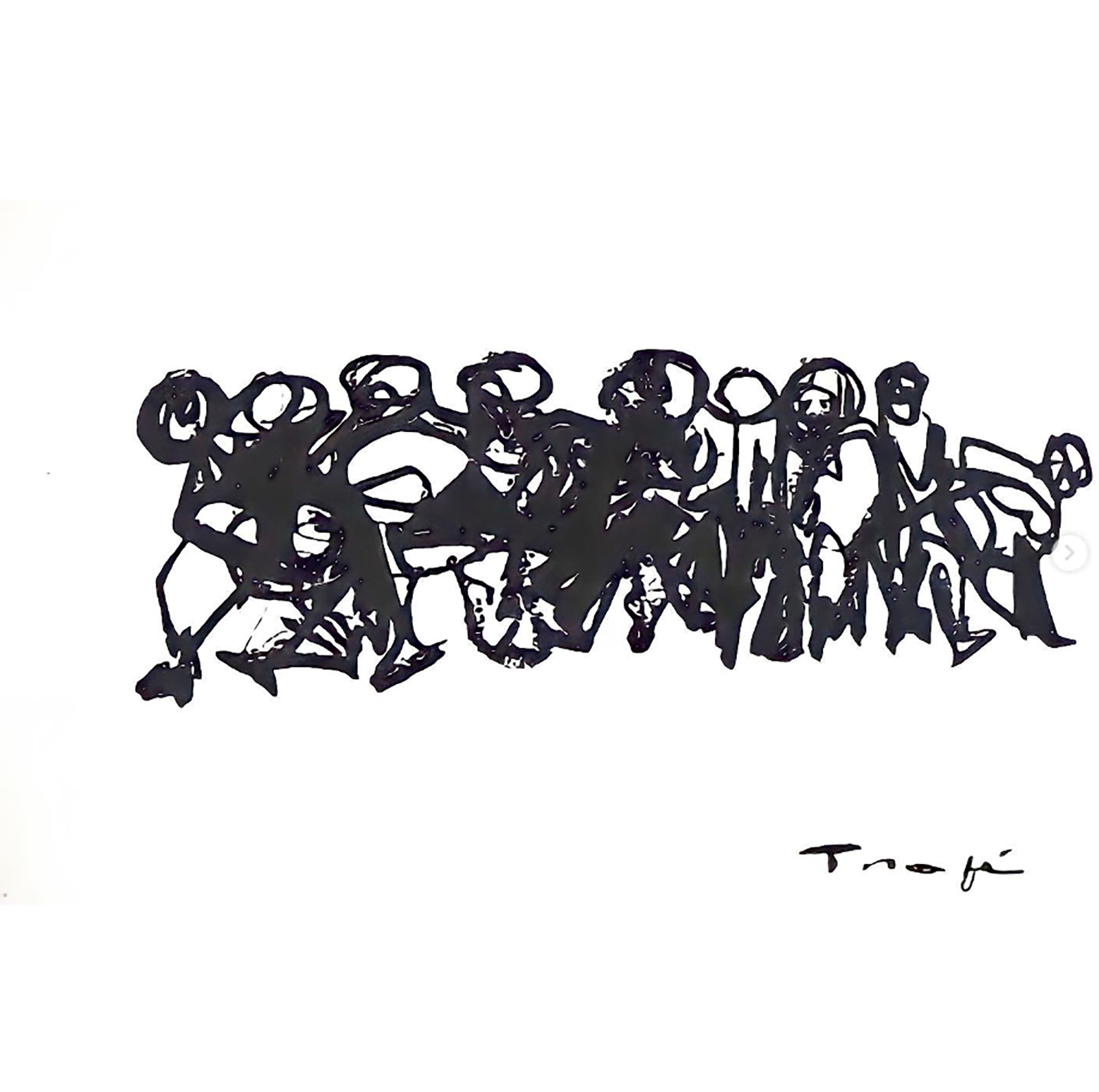
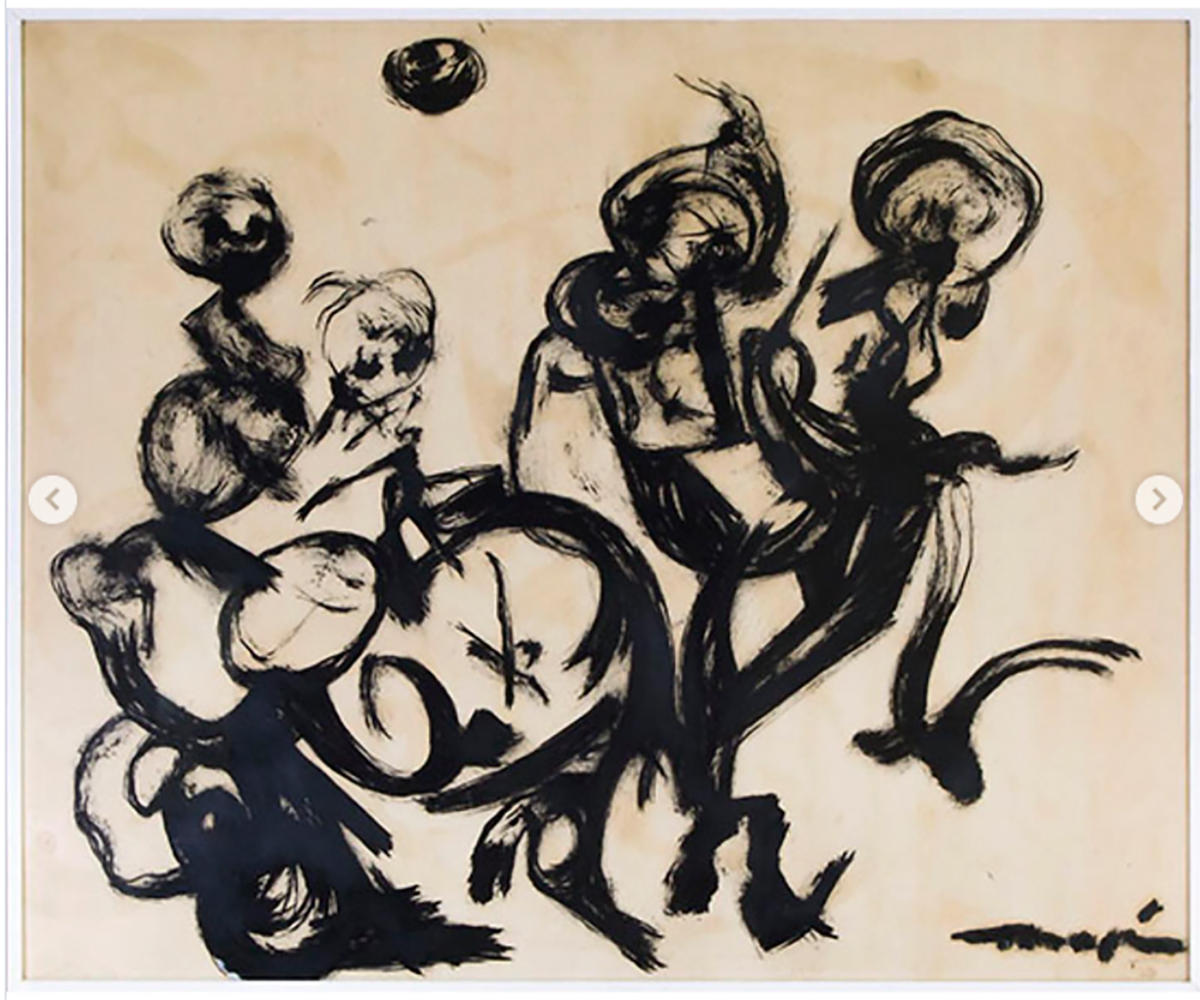
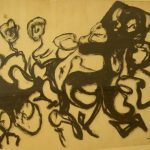
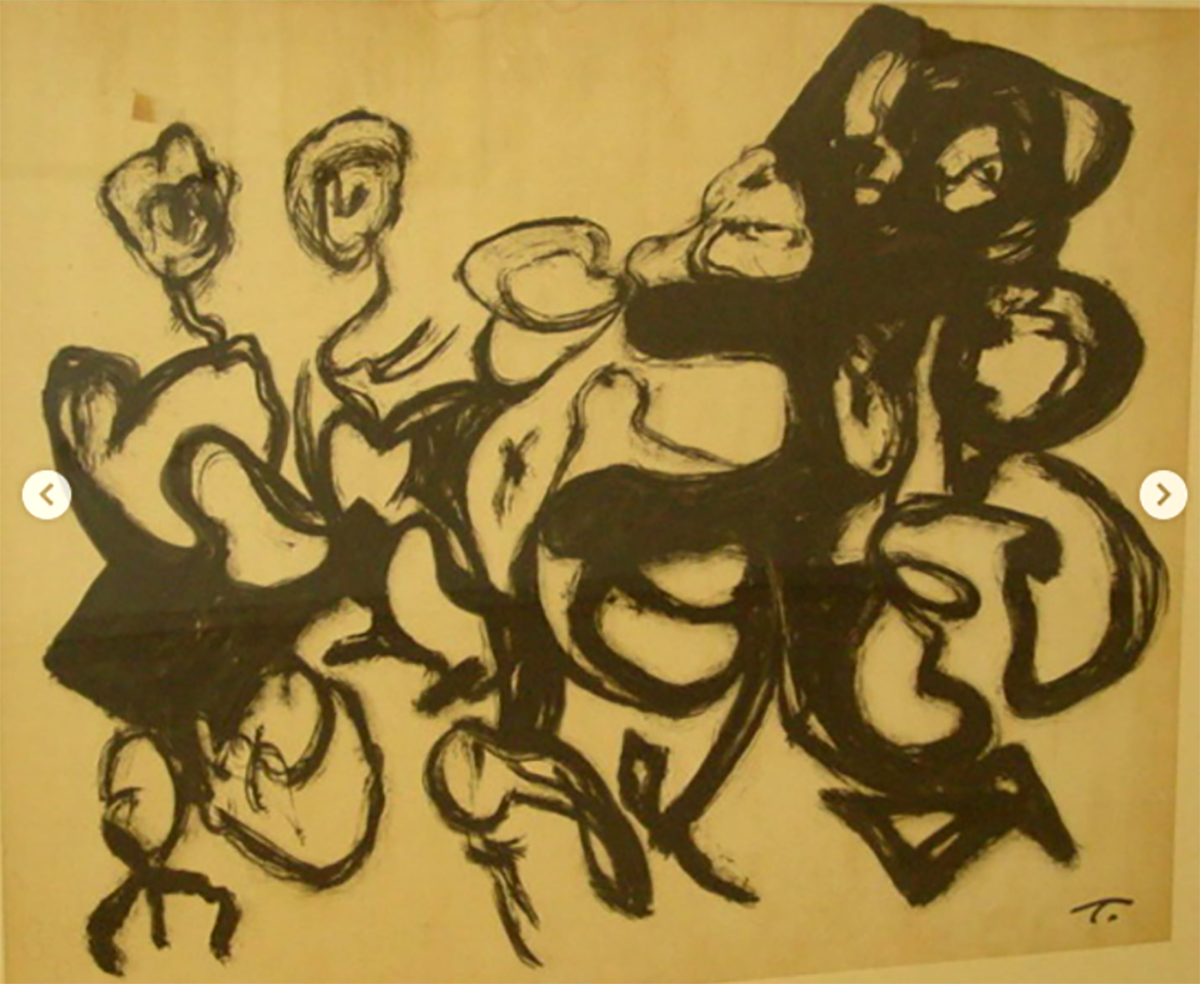
Her early works are figure-centered; the human body is treated as a field of existential questioning. Drawing is the primary means of expression during this period. Her works associated with Surrealism in Paris reconstruct the figure through subconscious associations.
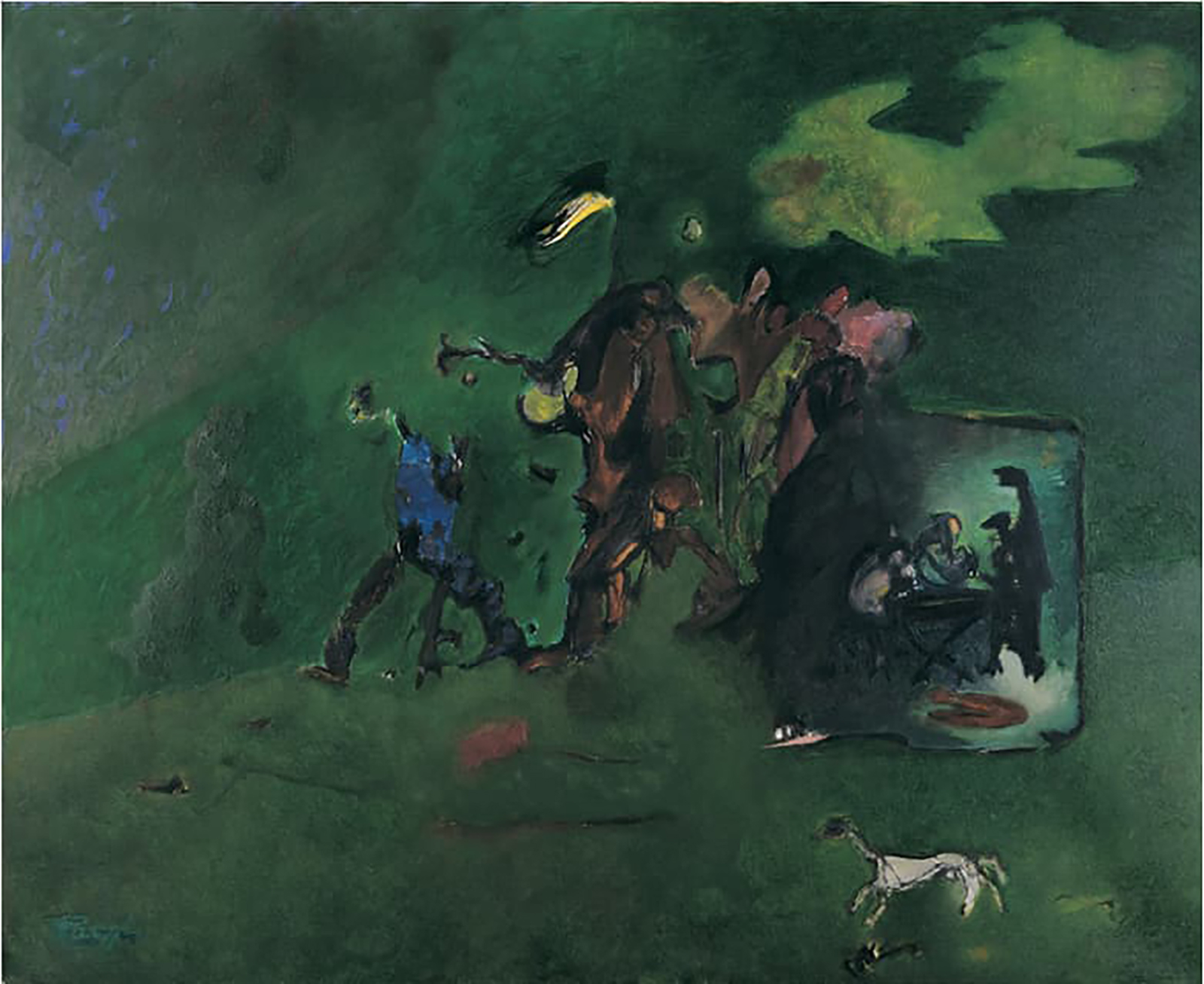
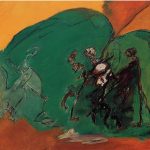
In her second period, color comes to the forefront. Color becomes an element that does not define the object, but rather constructs the composition and vibrates the space. The boundaries between the figure and the abstract realm are consciously blurred.
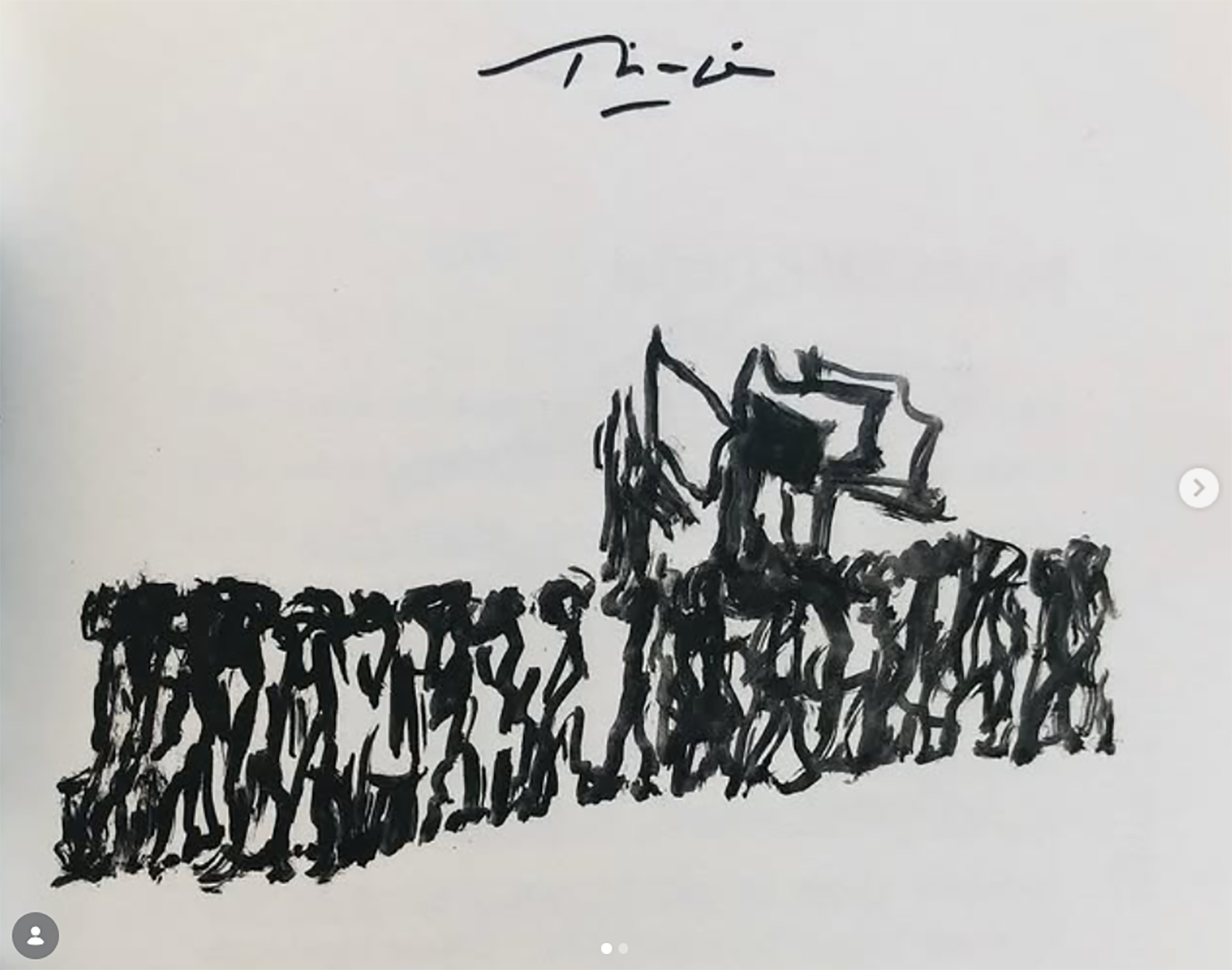
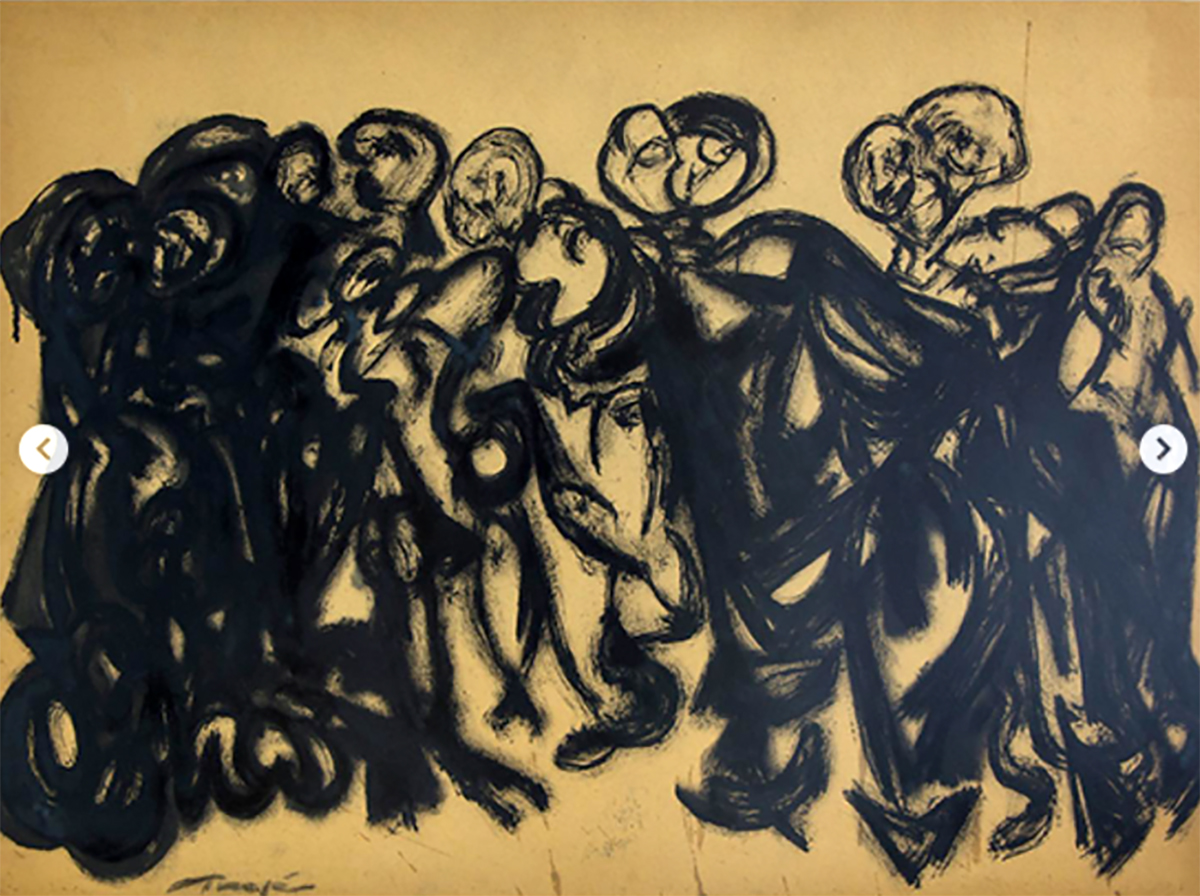
In her works after May 1968, movement, social tension, and collective energy become prominent. The "May 1968" series is a plastic expression of a historical rupture.
Her turn to the theme of migration in the 1990s strengthens the social sensitivity dimension of her art. The human figure now transforms into a displaced being, seeking belonging, positioned between boundaries.
Exhibition Chronology;
• 1956 – Galerie Edouard Loeb, Paris (first solo exhibition – drawings)
• Late 1950s – Galerie Edouard Loeb, Paris (oil painting exhibition)
• 1961 – “Turkish Artists in Paris”, Istanbul State Academy of Fine Arts
• 1963 – “Contemporary Turkish Art”, Musée d’Art Moderne, Paris
• 1964 – “Le Surréalisme: Source – Histoire – Affinités”, Galerie Charpentier, Paris
• 1964 – Galerie Birtschansky, Paris (solo exhibition)
• 1970 – First solo exhibition in Istanbul
• 1985 – “Memory of Times”, Galeri Nev, Ankara
• 1990s – Selections on the theme of migration
His Position in the History of Turkish Painting;
Tiraje Dikmen is one of the rare Turkish artists who, after 1950, produced work based in Paris and actively participated in international art circles. Her historical significance can be summarized under the following headings:
1. Representing Turkish modernism in the European art scene
2. Being invited to international exhibitions with her works associated with Surrealism
3. Establishing a unique plastic balance between figurative and abstract art
4. Taking on an art historical responsibility by inheriting the legacy of Léopold Lévy
5. Serving as a cultural bridge in Turkish-French art relations
Along with her sister Şükriye Dikmen, she is one of the two important female artists of 20th-century Turkish painting; however, Tiraje Dikmen has followed a more experimental, international, and conceptual path. Tiraje Dikmen's art is not only an aesthetic quest but also an intellectual stance. In the paintings of an artist who holds a doctorate in economics and has conducted field research, the figure carries social, psychological, and existential dimensions. Her connections with intellectual circles in Paris propelled her art beyond local boundaries. Tiraje Dikmen's contribution to the treatment of the figure as an intellectual space in modern Turkish painting is significant. She produced works both in Turkey and Europe, establishing a lasting artistic language between the two cultures. In this respect, she has solidified her place in art history as one of the international faces of 20th-century Turkish painting.
-
- Tiraje Dikmen

-
- Tiraje Dikmen
-
- Tiraje Dikmen

-
- Tiraje Dikmen
-
- Tiraje Dikmen

-
- Tiraje Dikmen

-
- Tiraje Dikmen
-
- Tiraje Dikmen
-
- Tiraje Dikmen
-
- Tiraje Dikmen
-
- Tiraje Dikmen
-
- Tiraje Dikmen
-
- Tiraje Dikmen
-
- Tiraje Dikmen
-
- Tiraje Dikmen
-
- Tiraje Dikmen
-
- Tiraje Dikmen
-
- Tiraje Dikmen
-
- Tiraje Dikmen