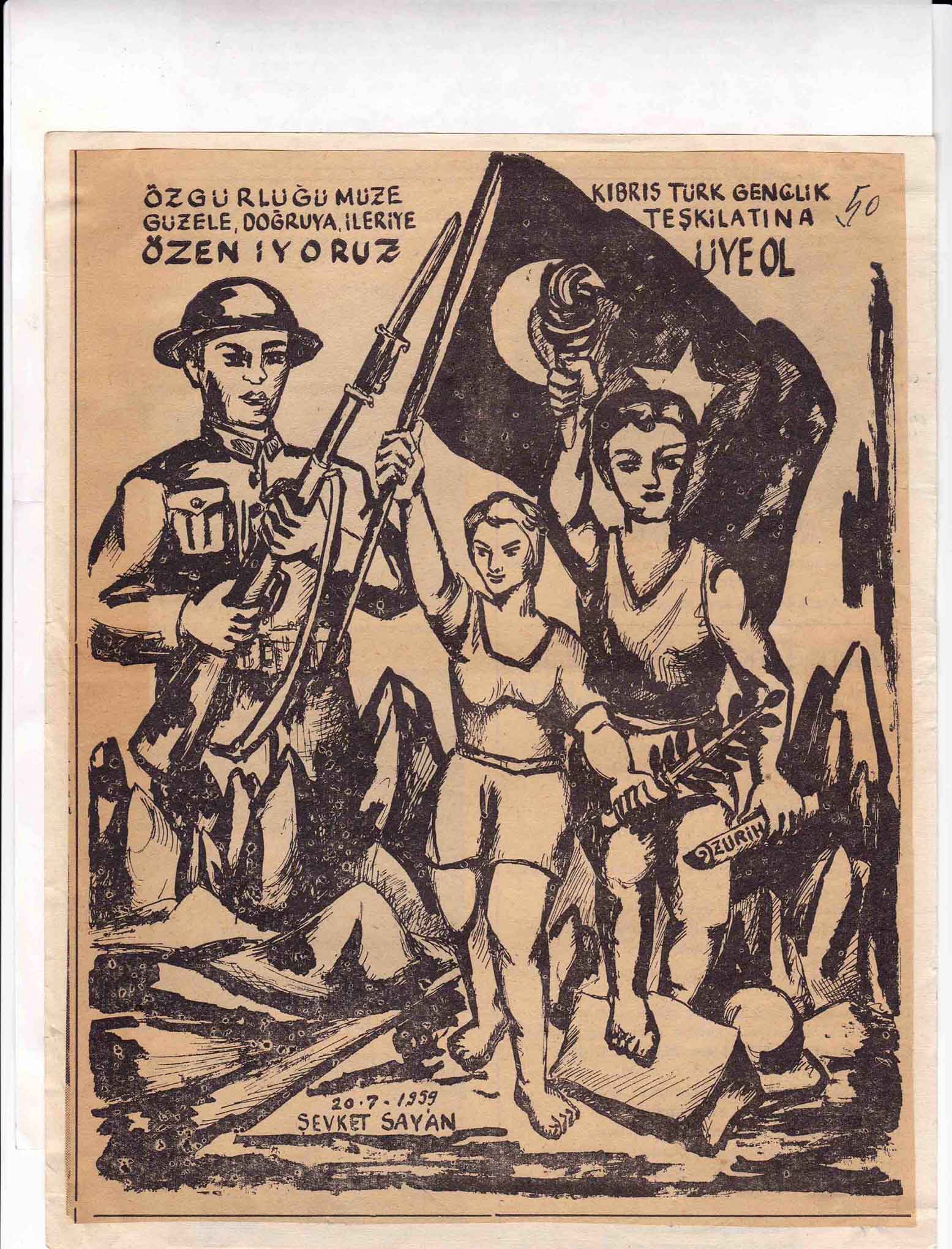

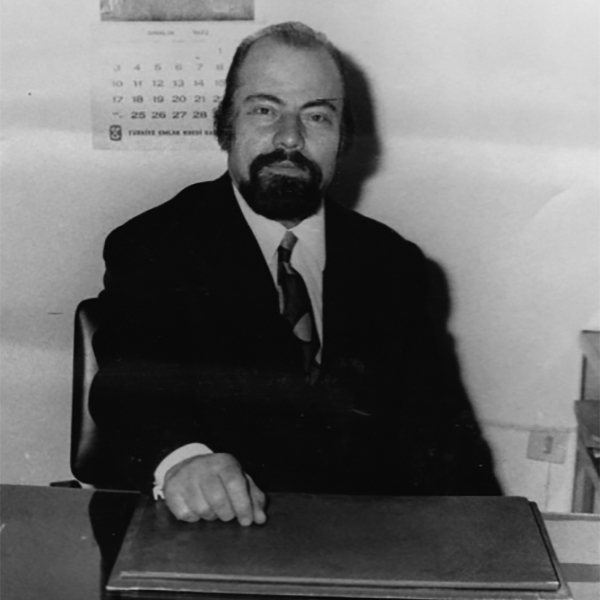
Who was Şevket Arman? (1919–1979)
Considered one of the original representatives of Cubist and calligraphic tendencies in Turkish painting, Şevket Arman carved out a unique place for himself in 20th-century Turkish art with his identity as an educator, his experience abroad, and his modernist pursuits. Because he did not hold a solo exhibition during his lifetime, he was not widely known; however, after his death, his works were re-evaluated, and his position in art history became more prominent.
His Life:
Şevket Arman belonged to a Turkish family residing in Idlib province, Syria. He was born in 1919 in the Eriha district of Idlib. He completed his primary and secondary education in Syria under French administration.
In 1934, he moved to Turkey and was granted citizenship. According to Turkish Republic records, his birth date is listed as 1918, his birthplace as Nizip district of Gaziantep; he is registered in the population registry of Birecik (later Halfeti, Urfa). This dual enrollment situation is linked to the political and administrative conditions of the time. After arriving in Turkey, he briefly studied at the Private Istanbul Hayriye High School, and then enrolled in the Istanbul Primary Teacher Training School.
Art Education and Academic Formation;
Arman completed his art education in 1940, graduating from the Painting and Crafts Department of Gazi Education Institute. This institution was an important center for art education during the Republic period, possessing a structure that combined academic discipline with a modern understanding of art.
After completing his military service in Gaziemir, İzmir in 1940–41, he began his teaching career.
In 1949, he was sent to France by the Ministry of National Education for vocational training (1949–1951). In Paris:
• He attended Jan Souverbie’s studio at the Académie Nationale Supérieure des Beaux-Arts
• André Lhote Modern Academy
As a result of his studies focusing on modern drawing and painting, he received certificates from both academies and returned to Turkey.
This Paris period was decisive in Arman’s understanding of art; in particular, Cubist structure, modern composition, and the use of calligraphic lines matured during this period.
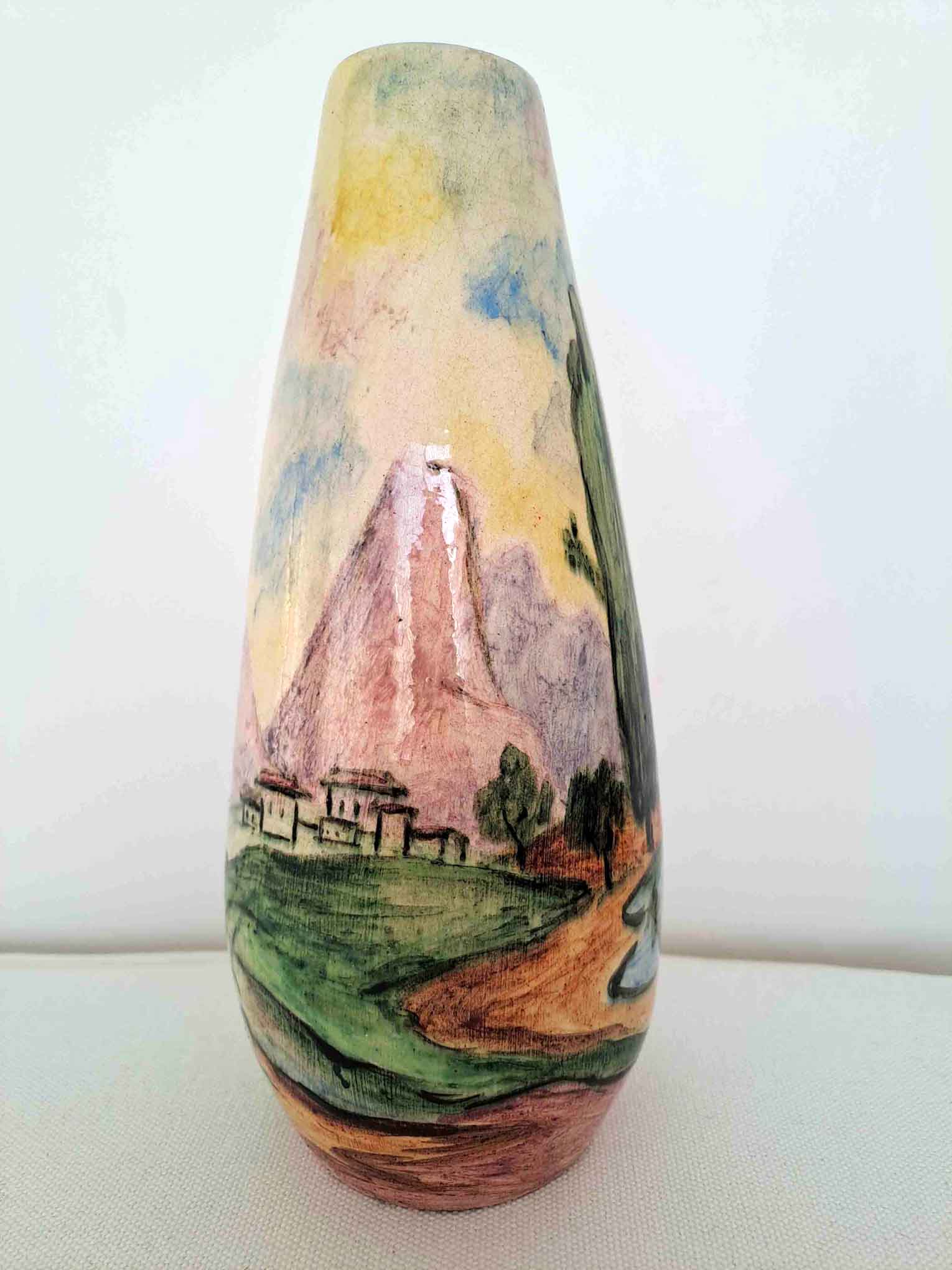
In 1959–60, he left his civil service job and went to Paris for the second time at his own expense to learn ceramic techniques; this process deepened his understanding of surface, volume, and materials.
Teaching and Institutional Contributions:
Şevket Arman worked as a painting teacher for many years:
• 1941–49: Nazilli Secondary School and Mersin High School
• 1951–59: Mersin, Edirne, and Cyprus
• 1960–62: TED Ankara College
• 1962–68: Buca Education Institute (He founded the Painting and Crafts Department)
• 1968–78: Istanbul Atatürk Education Institute Painting and Crafts Department
His founding of the Painting and Crafts Department at Buca Education Institute shows that he was not only an artist but also a founding educator. His educational approach is based on the discipline of drawing and supports modernist form explorations.
He married teacher Şükran Ünal in 1974. He passed away in Istanbul in 1979.
Artistic Perspective;
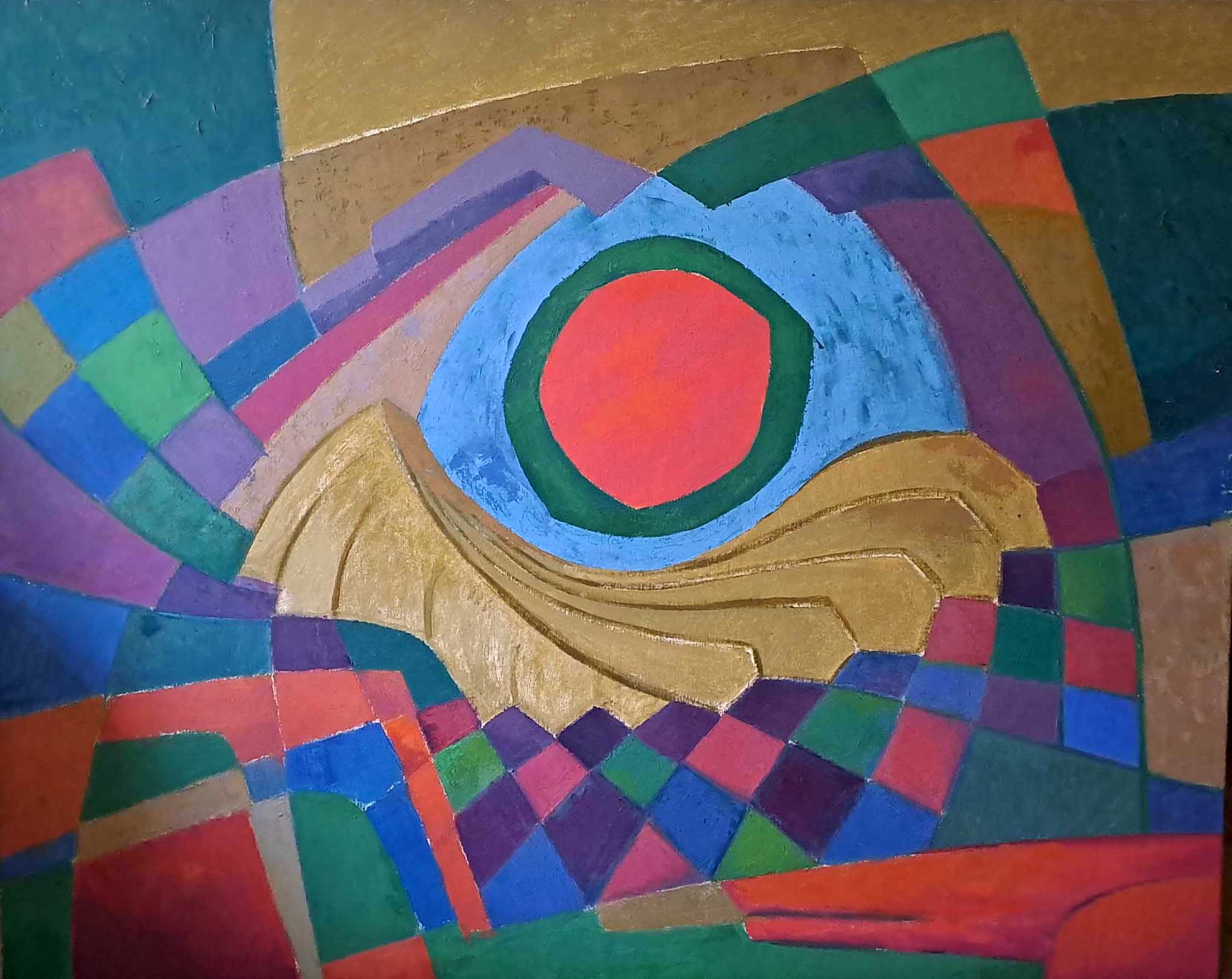
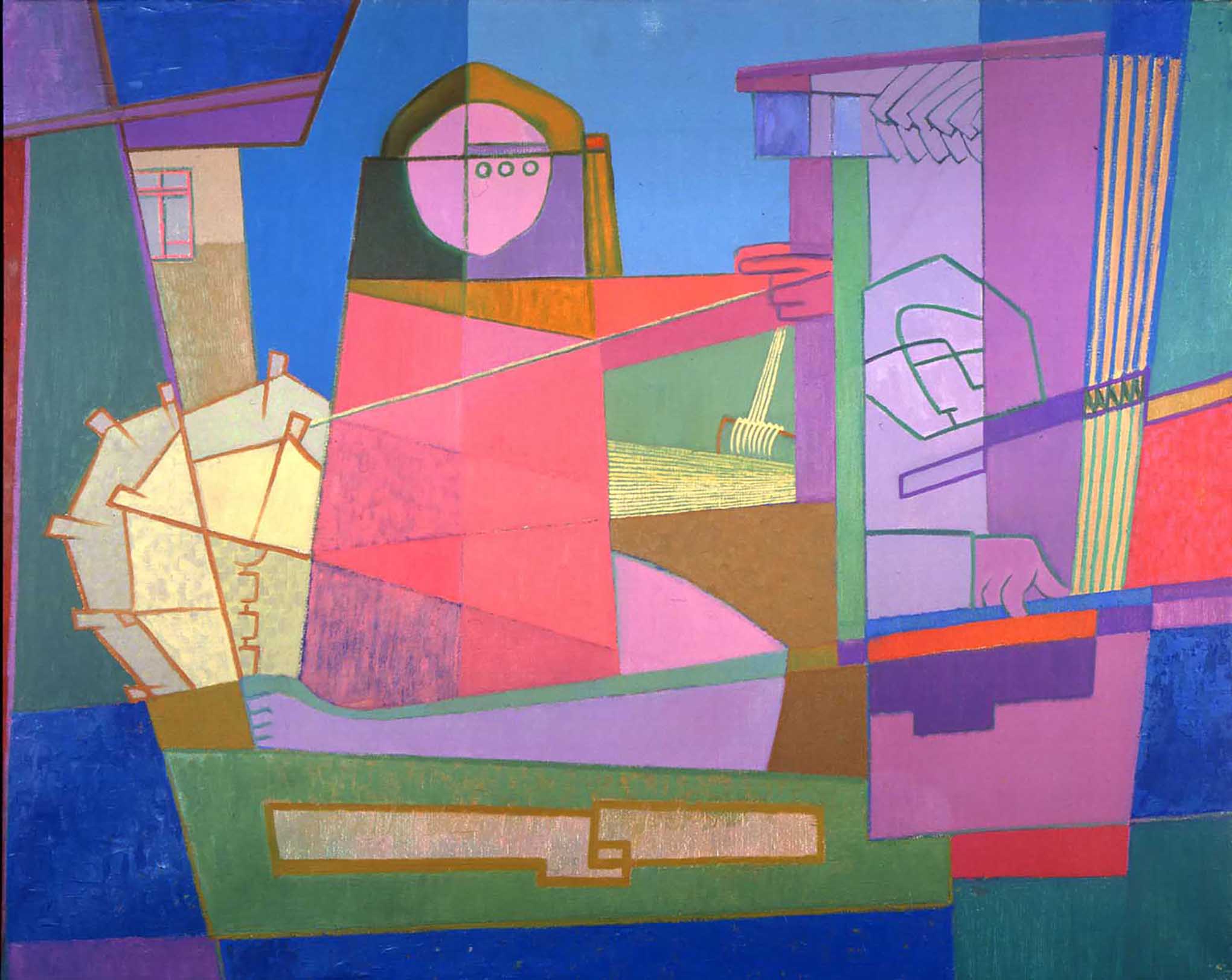
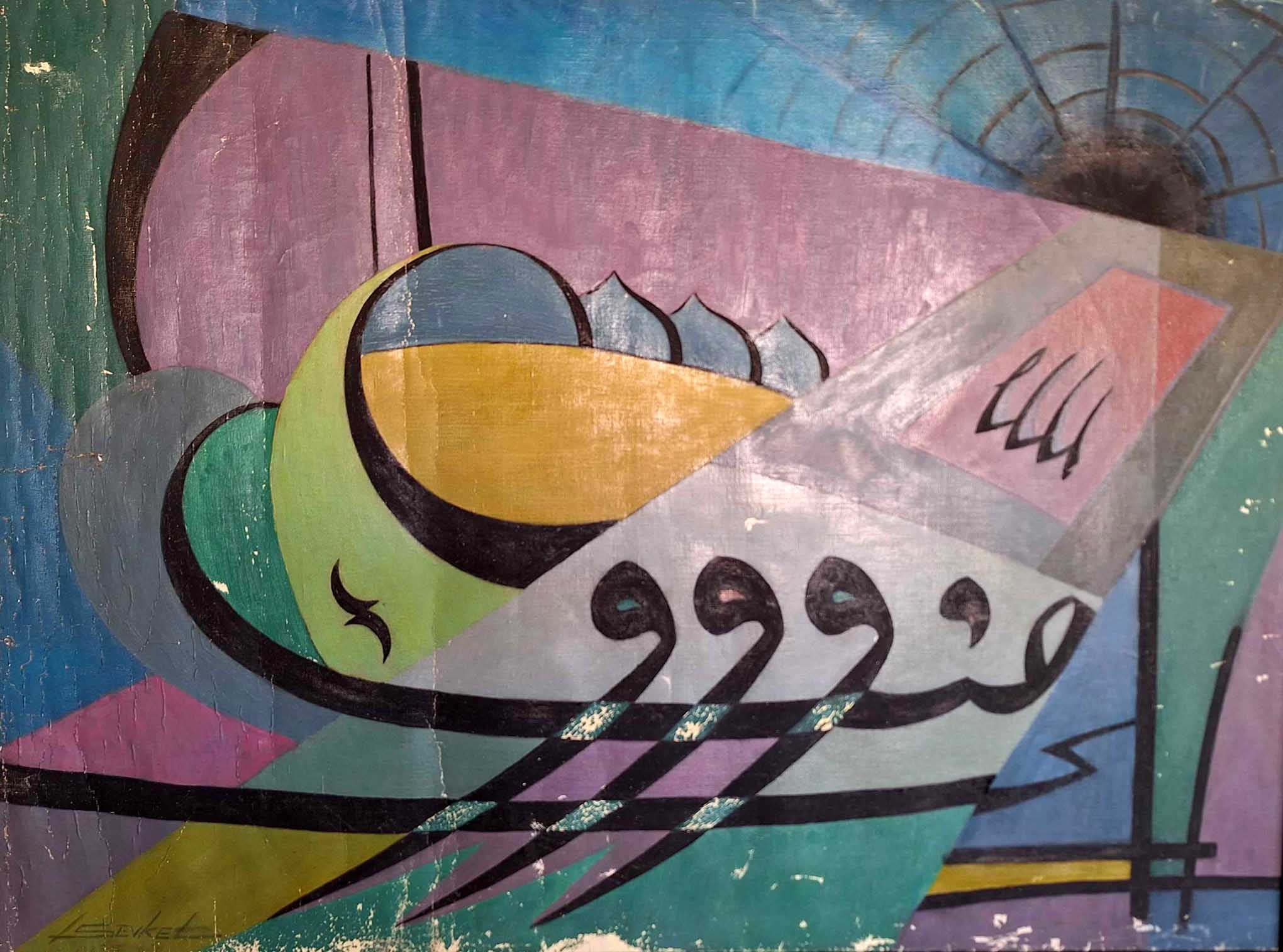
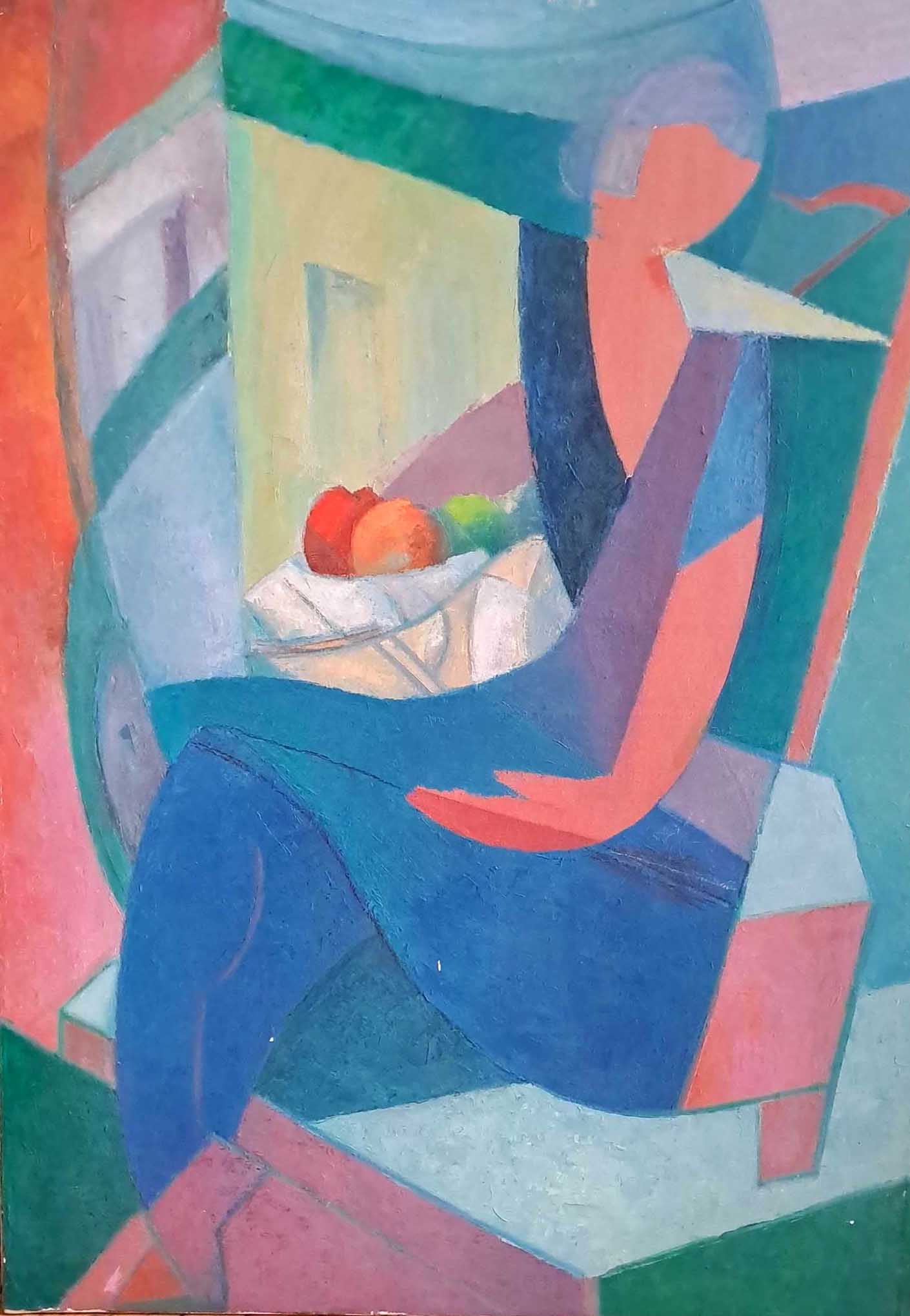
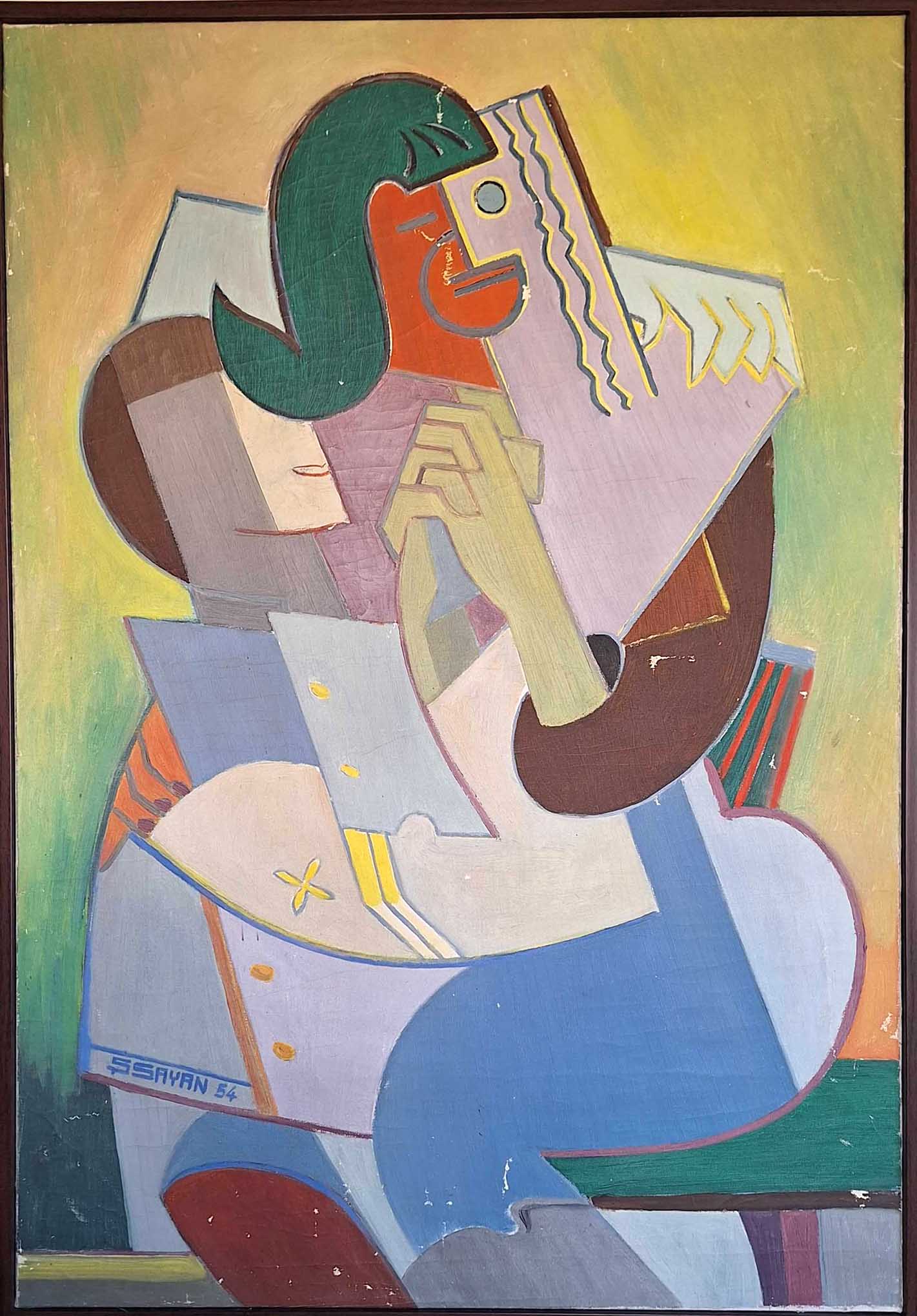
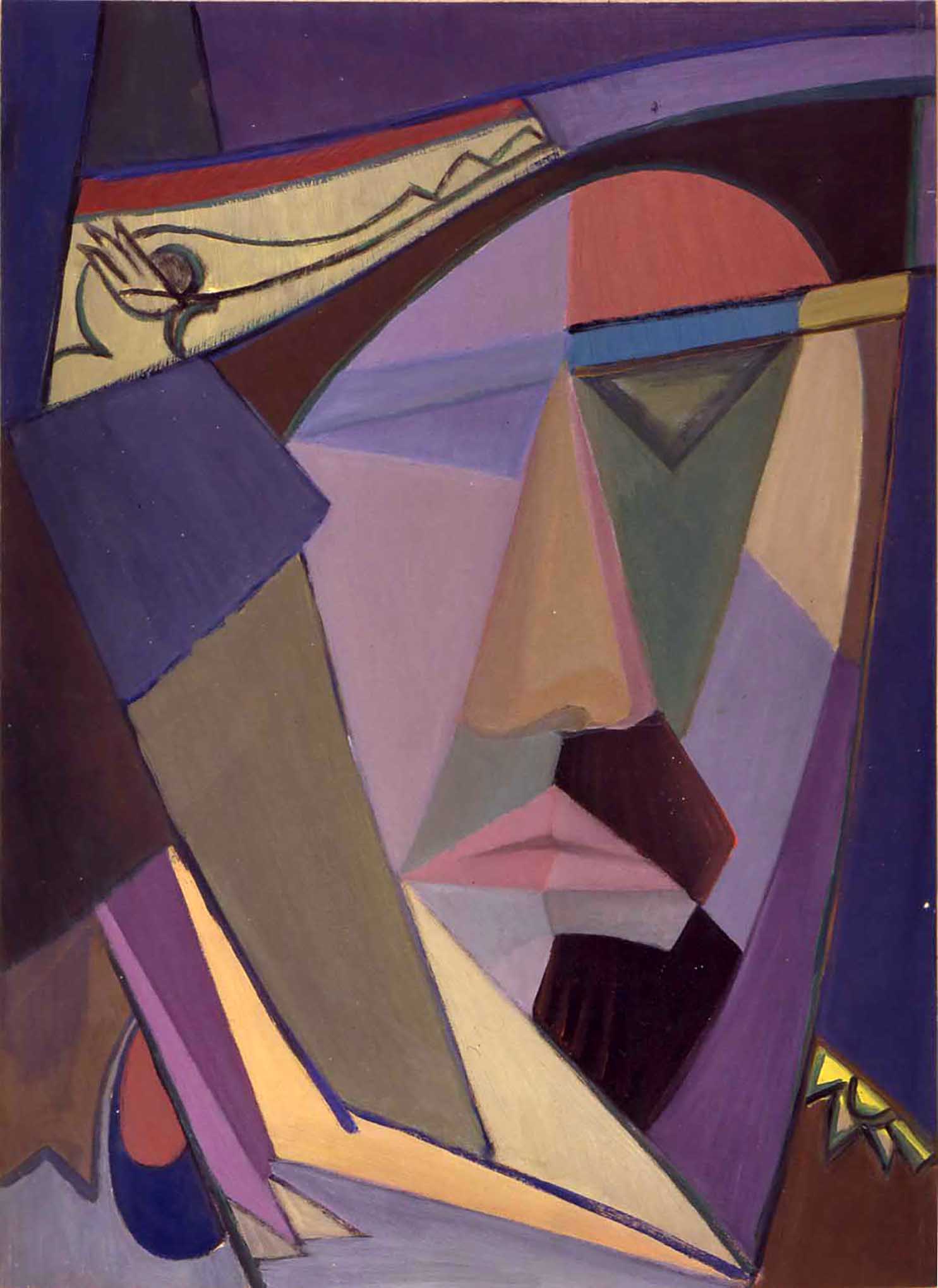
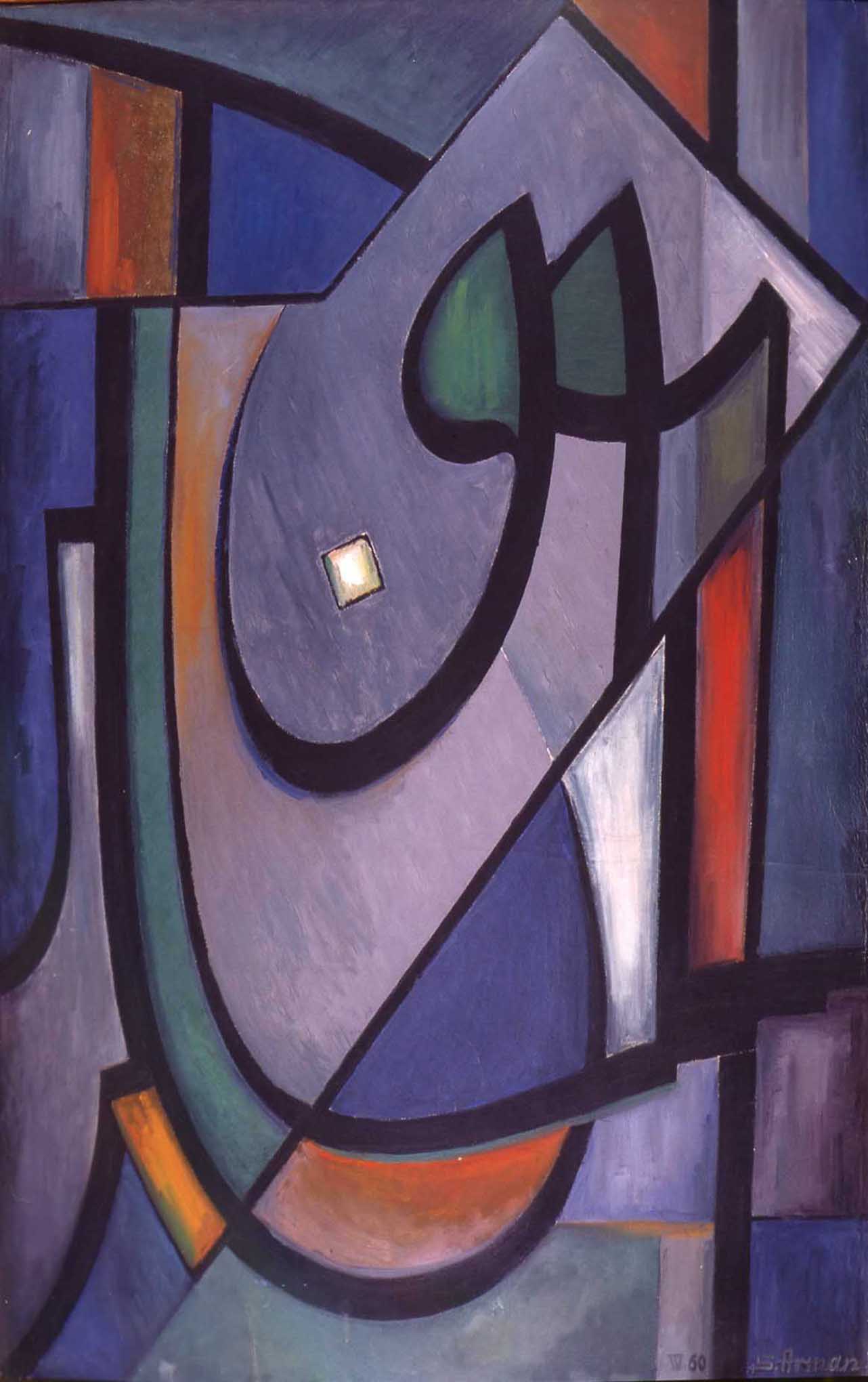
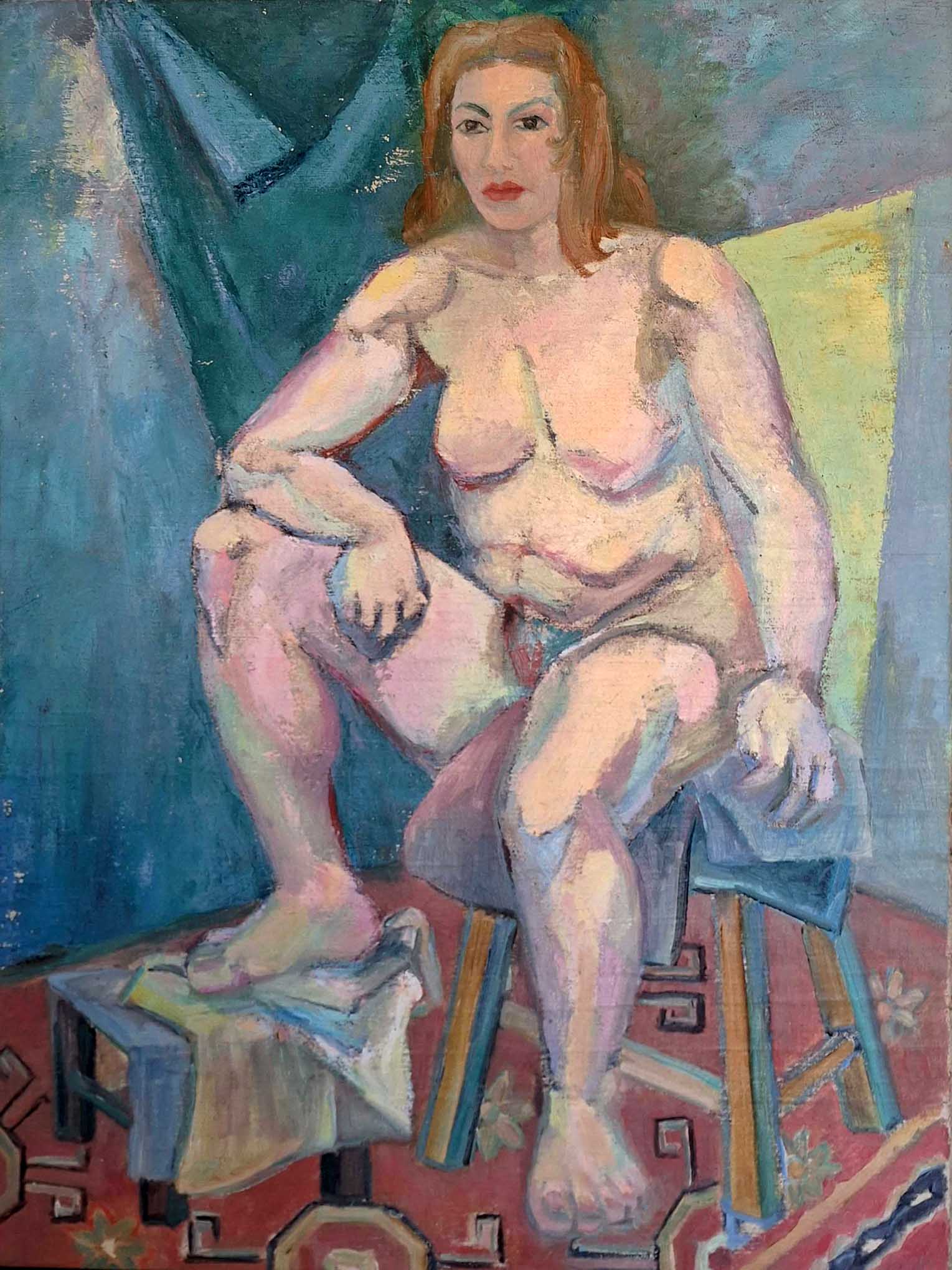
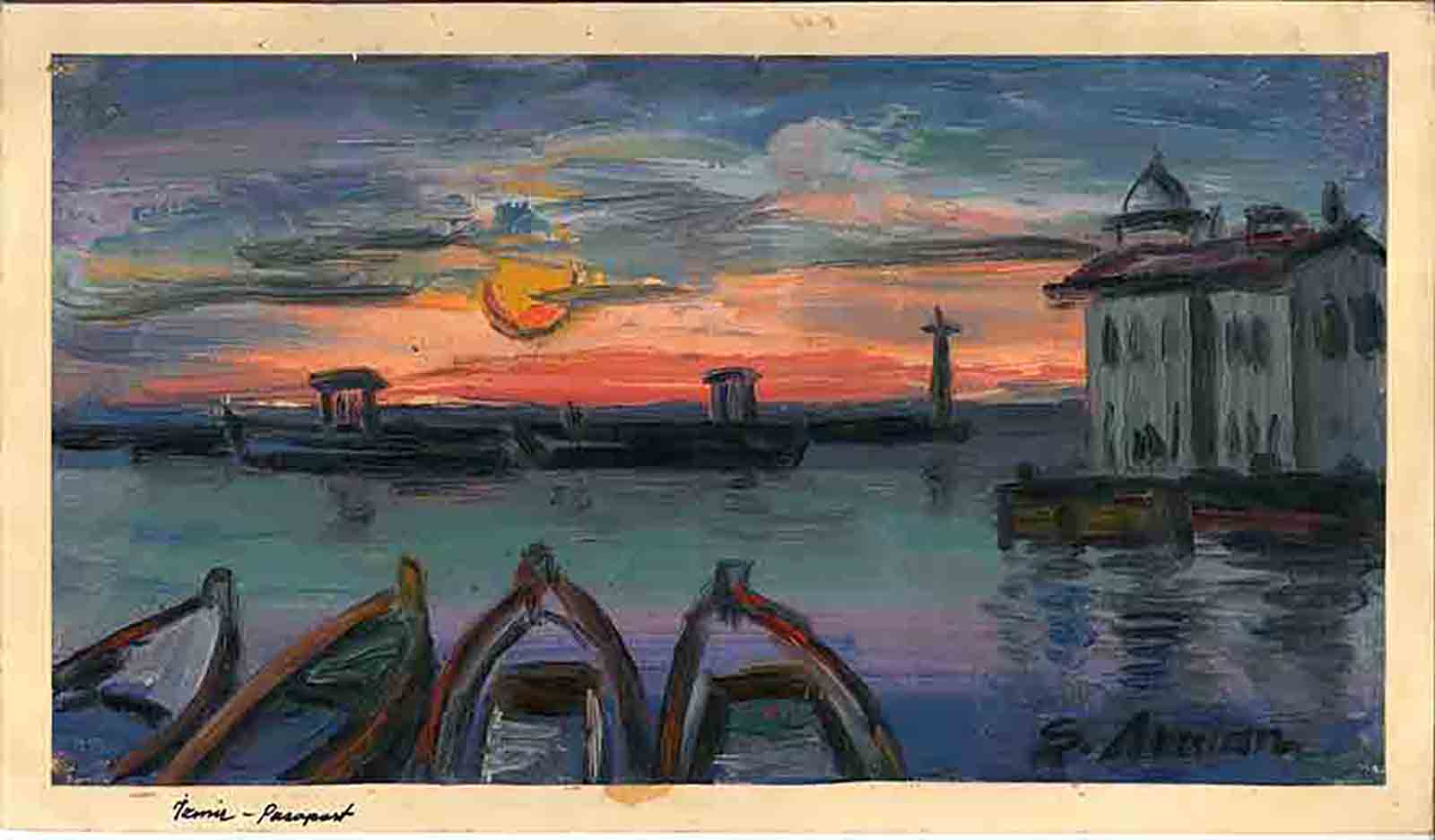
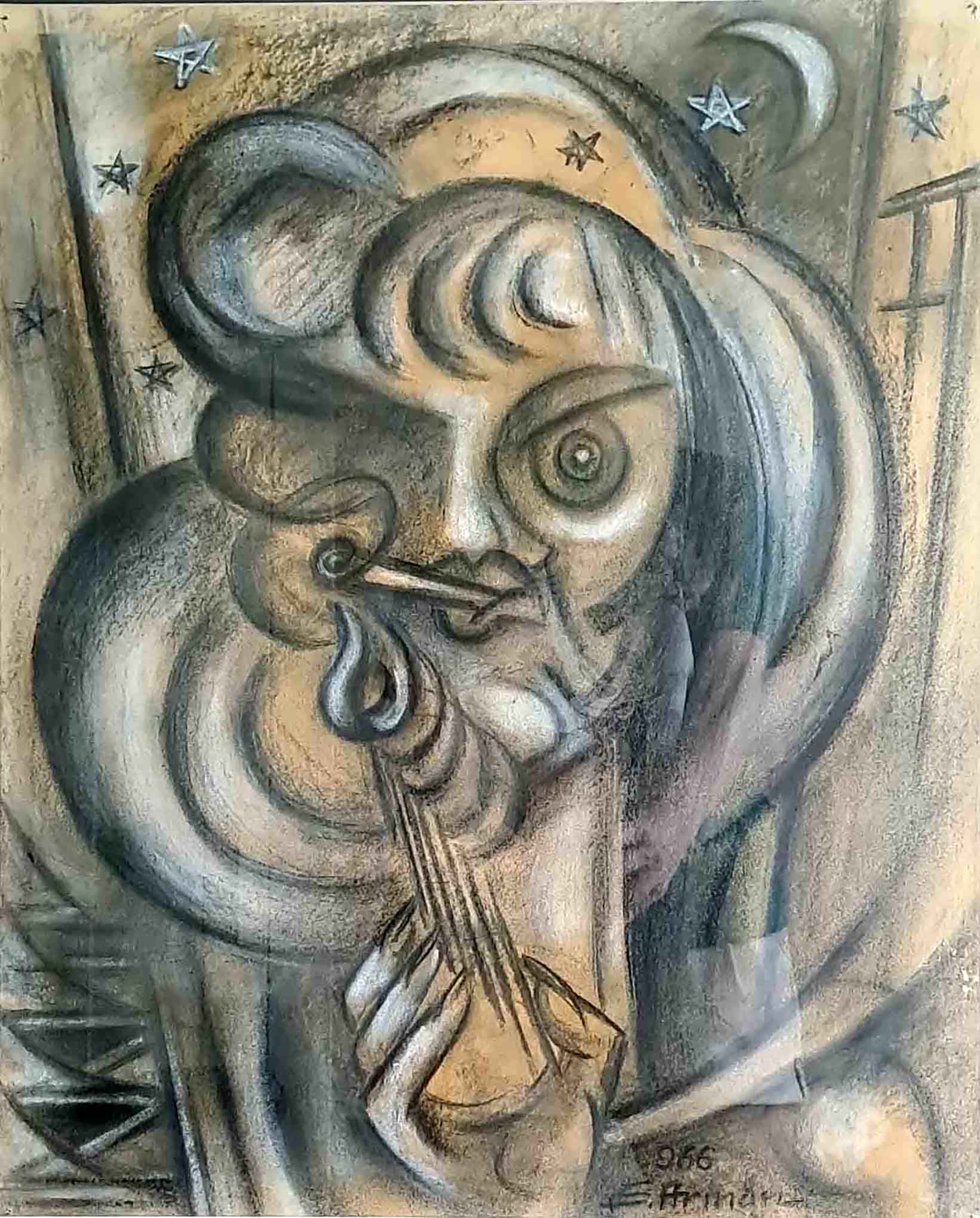
Şevket Arman is considered one of the representatives of the Cubist and calligraphic tradition in Turkish painting. Three main trends stand out in his art:
1. Cubist Structure:
A compositional approach that divides the form into geometric parts and consciously structures the surface is observed. Influenced by his education in Paris, he addressed the relationship between volume, plane, and space with a modernist perspective.
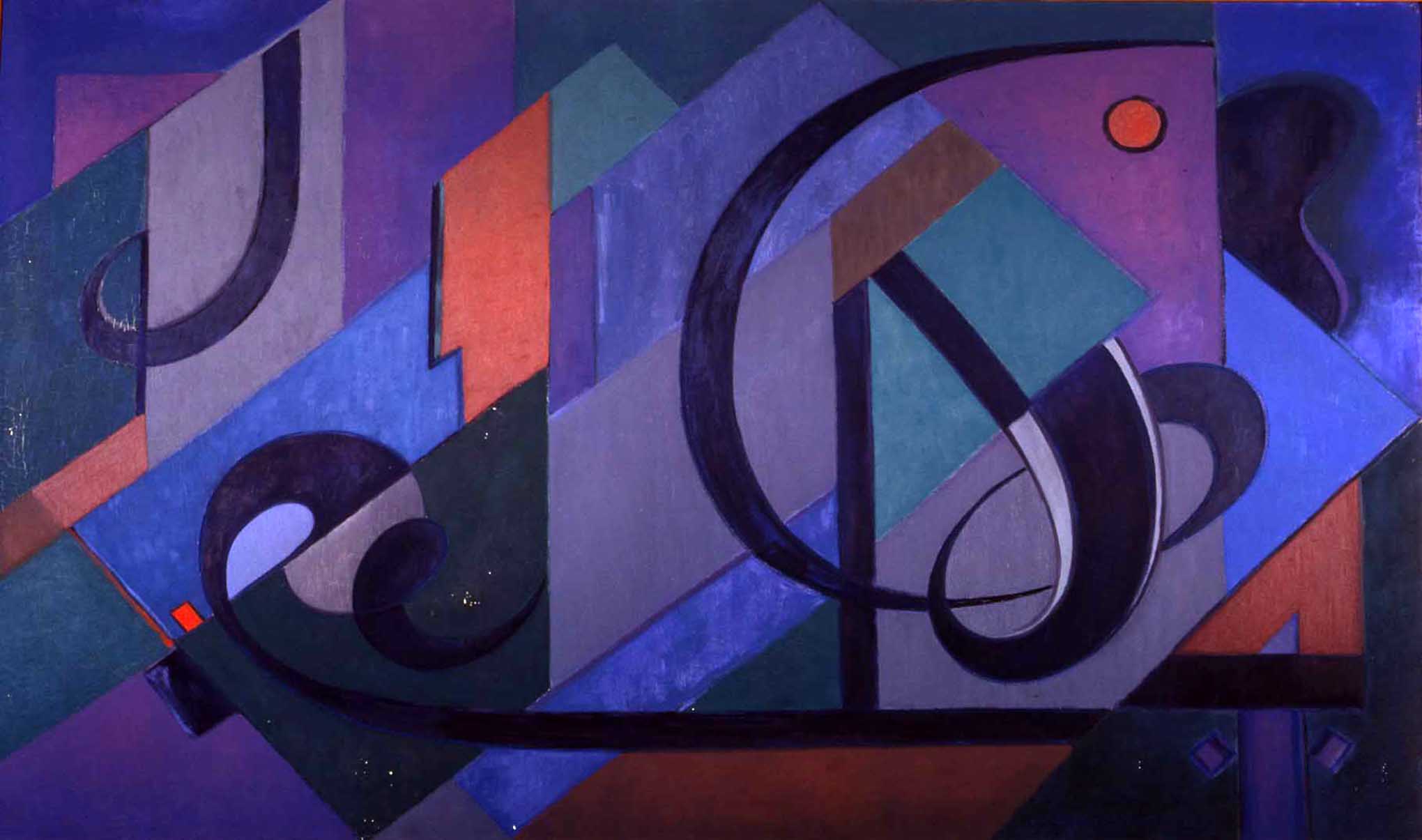
2. Calligraphic Line:
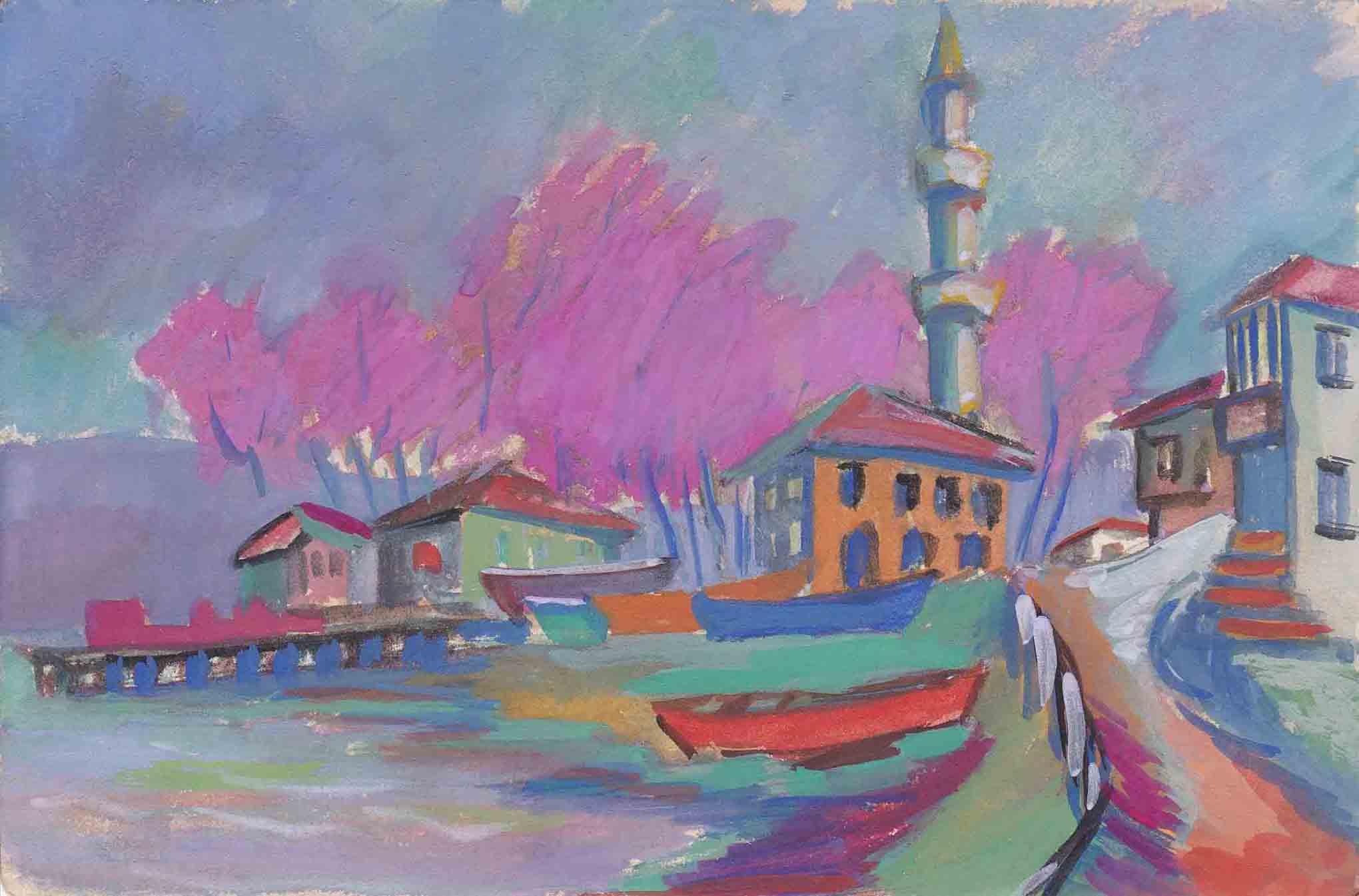
Drawing is a fundamental element in Arman's art. The line is not only a tool for defining boundaries, but also a plastic element that establishes rhythm and movement.
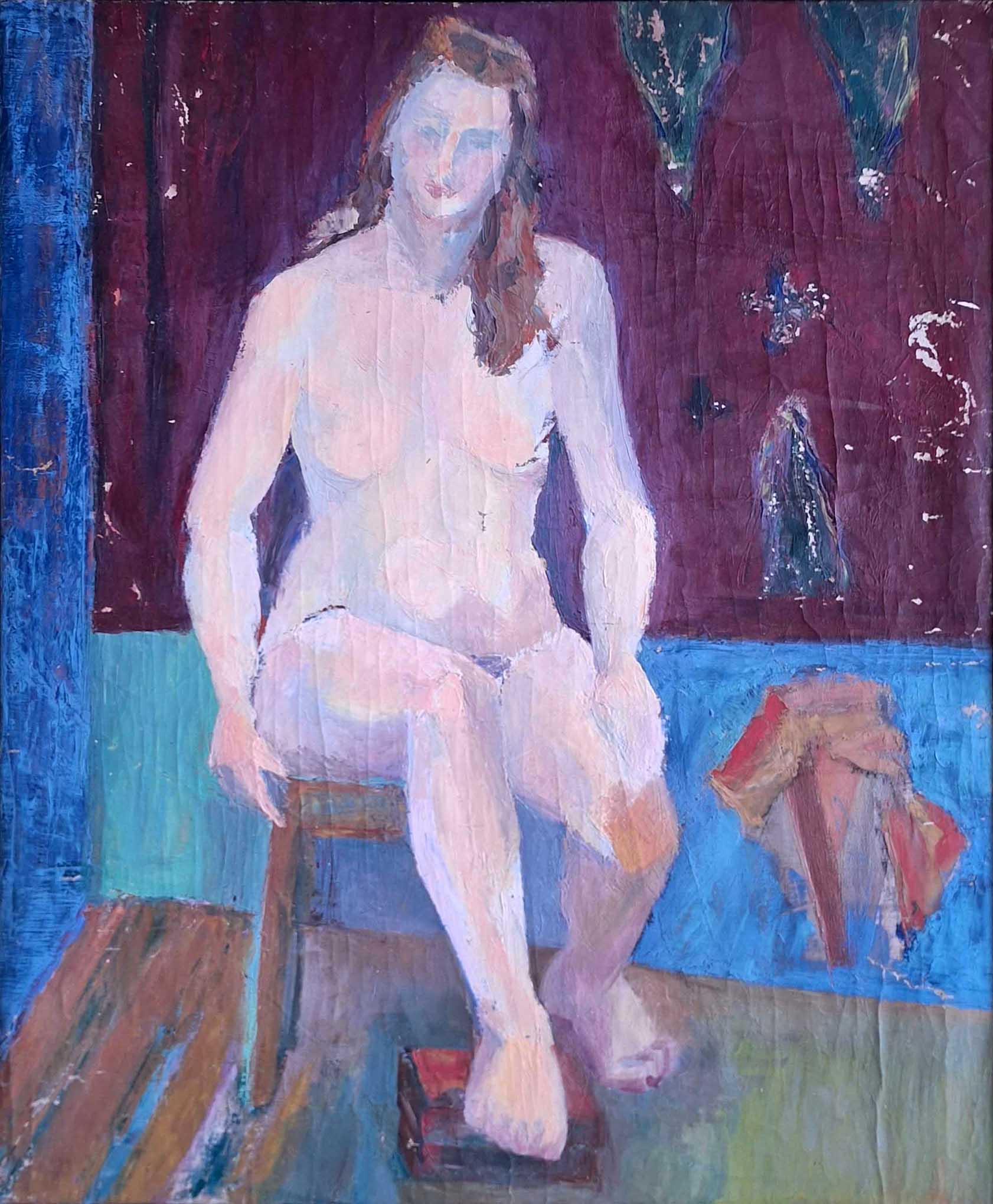
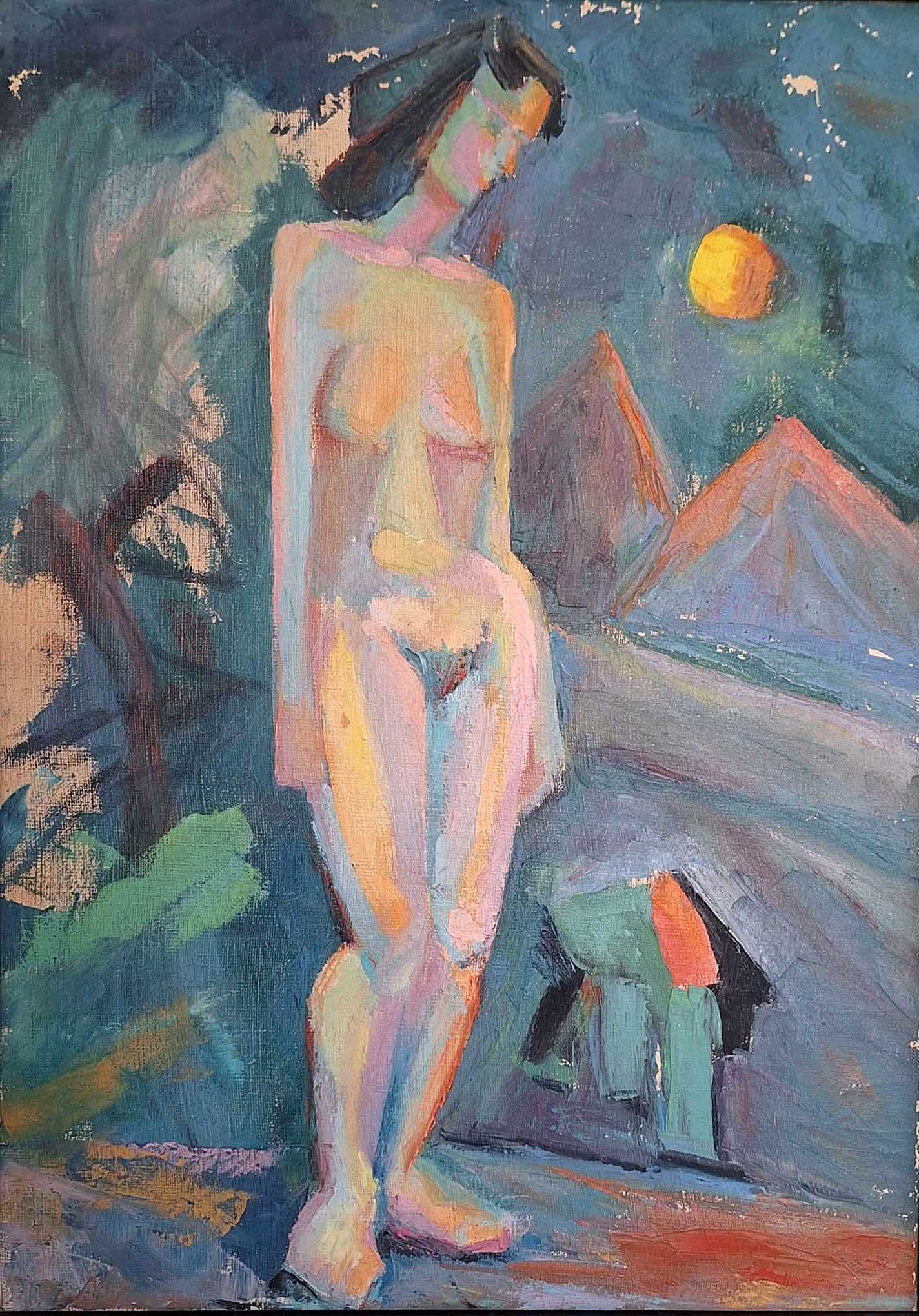
3. Modern Figurative Expression:
The figure is often treated with a simplicity that approaches abstraction. Surface organization is based on modern composition principles instead of traditional perspective.
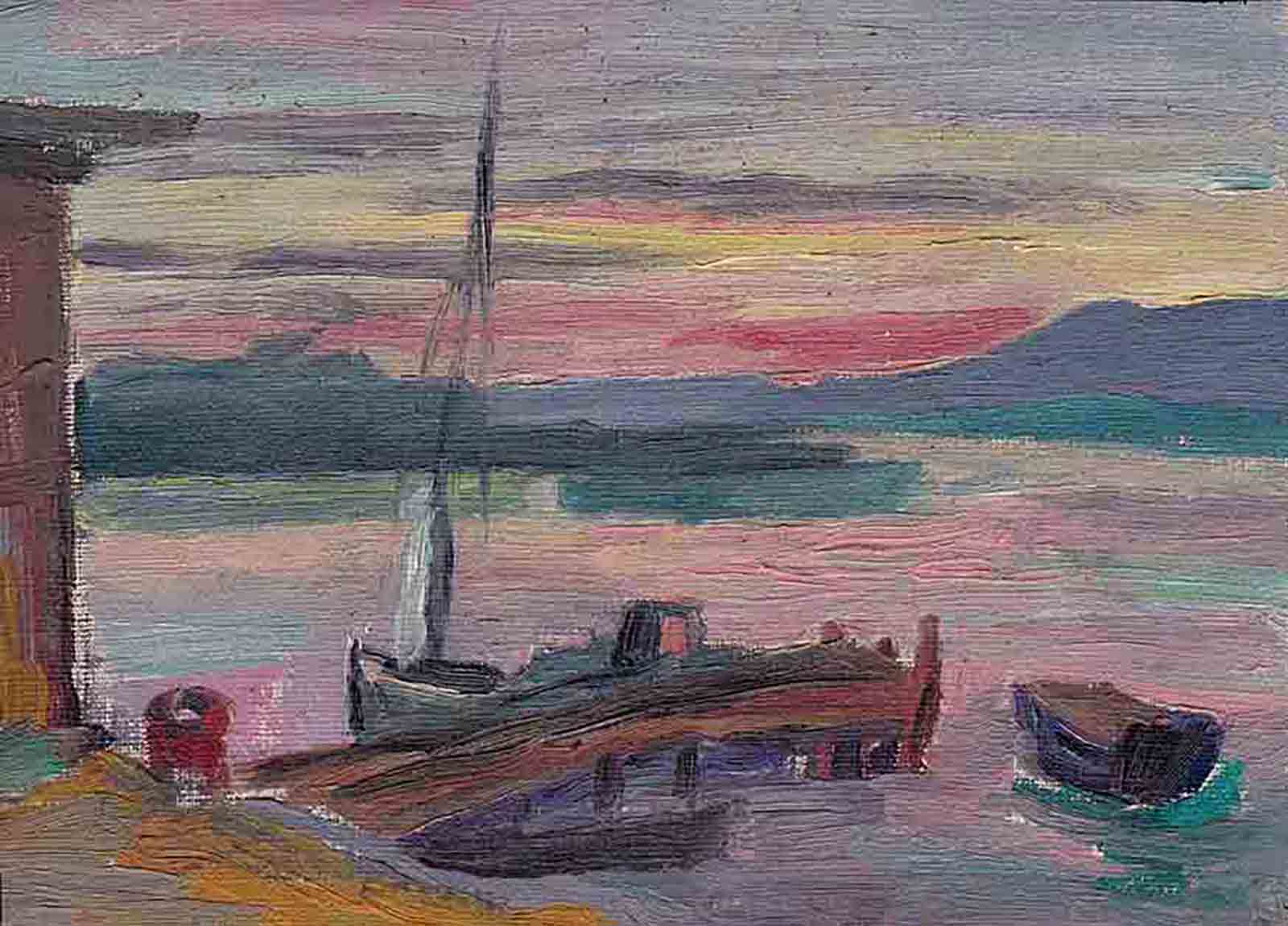
He preferred a balanced and controlled palette in the use of color; he used tones that did not disrupt the formal structure and supported the composition. In his works, the understanding of decorative surfaces and structural discipline are combined.
Exhibition Status and Post-Death Recognition;
Şevket Arman never held a solo exhibition during his lifetime. His works were known only to his close circle of friends. This is attributed to the artist's introverted personality and his emphasis on his role as an educator. After his death, his works were presented to art lovers in three separate exhibitions in Istanbul by his wife, Şükran Ünal Arman:
• 1993–1994
• 1994
• 1997
These exhibitions allowed for the rediscovery of Arman's art and provided an opportunity to evaluate him within Turkish modernism.
His Place in Art History:
Şevket Arman was an artist who grew up within the tradition of art education during the Republican era; he absorbed international modernism through his Paris experience; however, he transferred this to the local art scene with a pedagogical consciousness.
His approach, which combines Cubist structure with calligraphic lines, places him in a unique position within figurative modernism. Although he did not gain visibility during his lifetime, his place in the history of Turkish painting has been more clearly understood through the exhibitions held after his death. With his disciplined approach to design, institutional contributions, and modernist sensibility, Şevket Arman is regarded as a late-discovered but powerful name in Turkish painting.
-
- Şevket Arman
-
- Şevket Arman
-
- Şevket Arman
-
- Şevket Arman
-
- Şevket Arman
-
- Şevket Arman
-
- Şevket Arman
-
- Şevket Arman
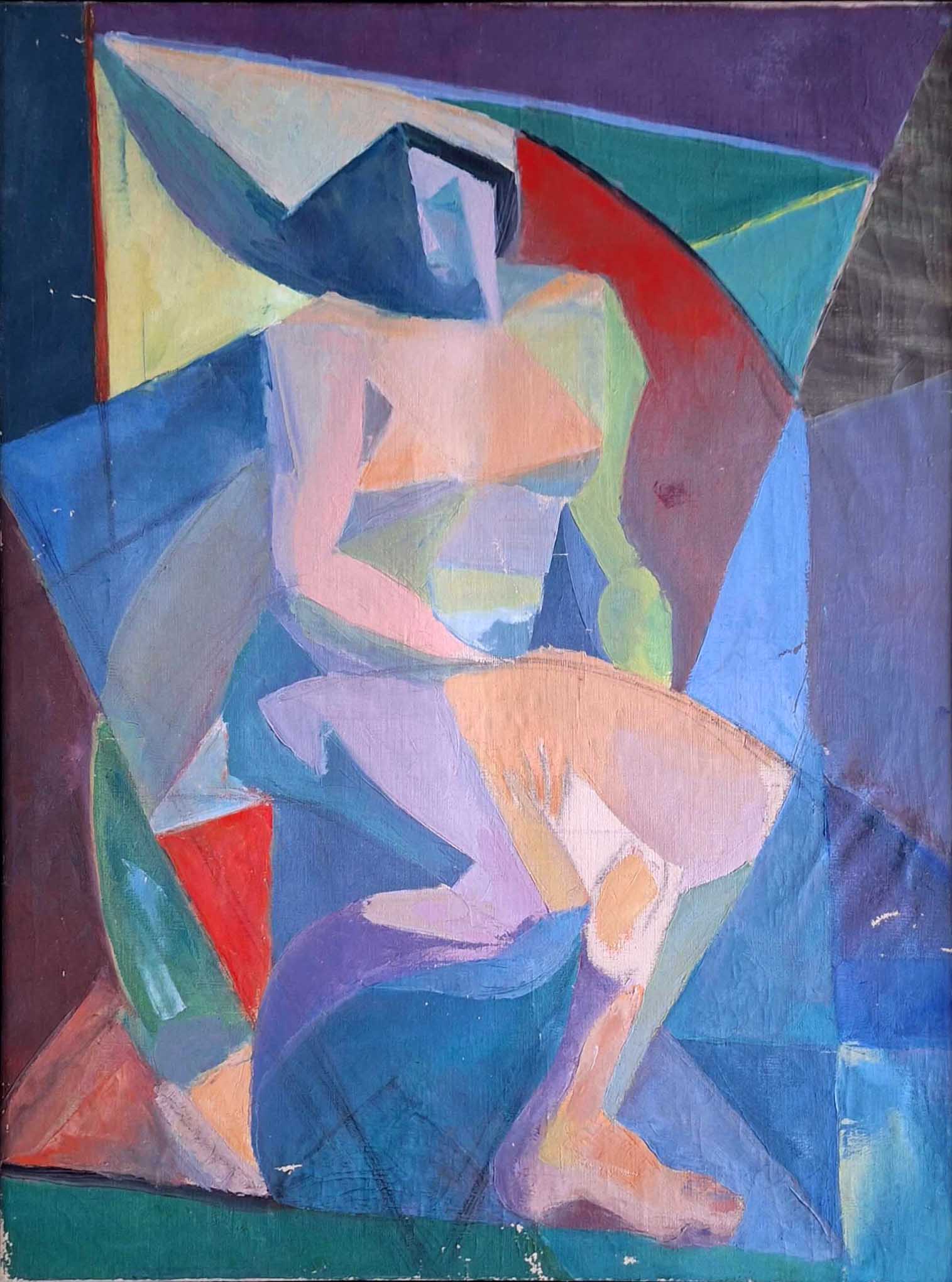
-
- Şevket Arman
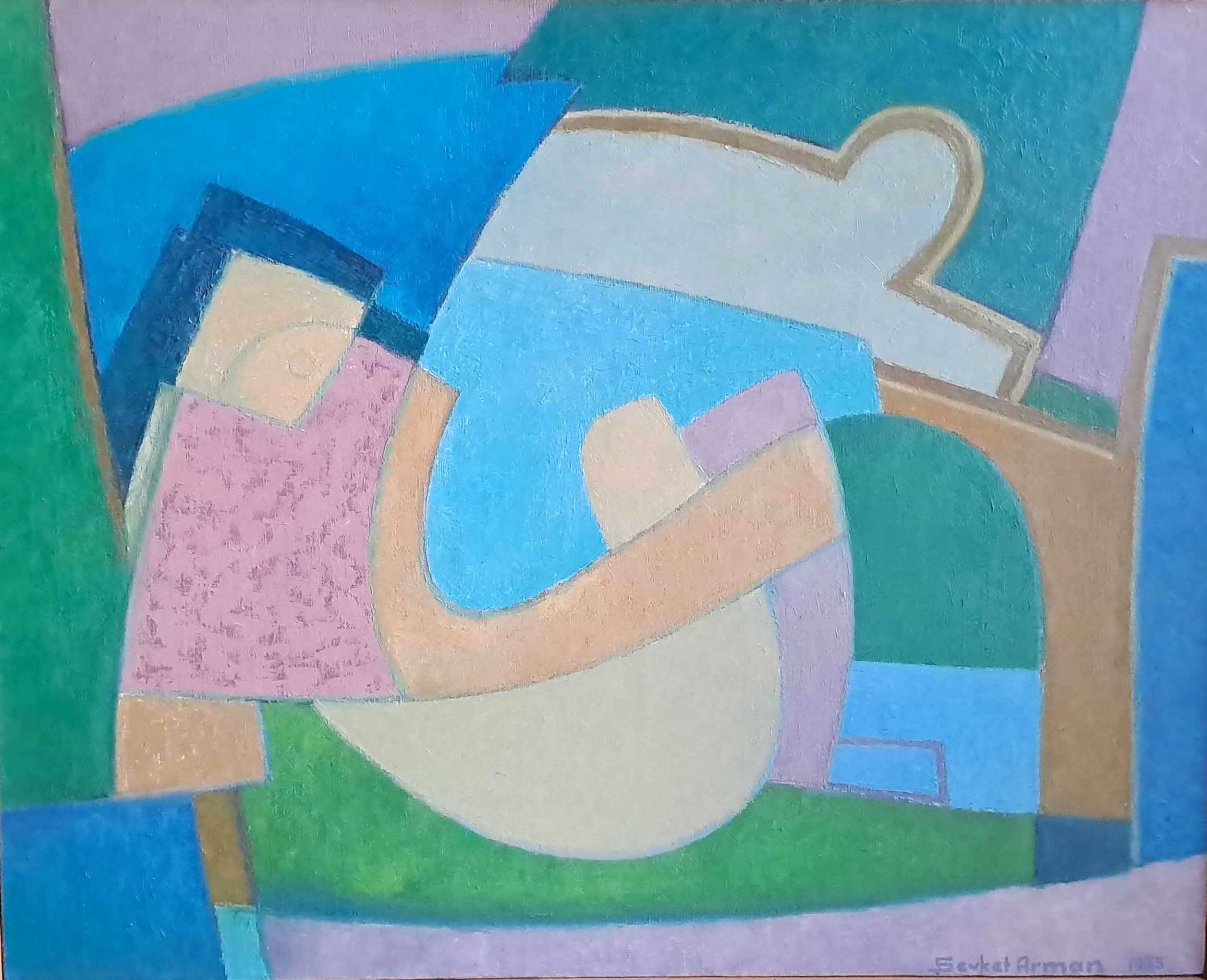
-
- Şevket Arman
-

- Şevket Arman
-

- Şevket Arman
-

- Şevket Arman
-
- Şevket Arman
-

- Şevket Arman
-
- Şevket Arman
-

- Şevket Arman

-
- Şevket Arman

-
- Şevket Arman

-
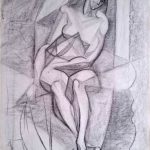
- Şevket Arman

-
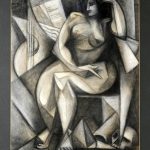
- Şevket Arman

-
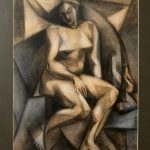
- Şevket Arman

-
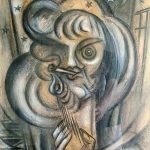
- Şevket Arman
-
- Şevket Arman
-
- Şevket Arman