


Who was Selma Gürbüz? (1960–April 22, 2021)
Selma Gürbüz is a painter, sculptor, and multidisciplinary visual design master who is among Turkey’s most important contemporary artists. Her works possess a unique narrative language that develops around mythology, fairy tales, subconscious imagery, the human-nature relationship, and cultural symbolism. Her works have been widely viewed not only in Turkey but also abroad and have been included in prestigious museum collections.
Her Life:
Selma Gürbüz was born in Istanbul in 1960 and began her art education at an early age. In 1978, she studied painting, photography, and theatre at Exeter College of Art and Design in England; she continued her education in painting and sculpture at the same school between 1980 and 1982. Continuing her education in Turkey, Gürbüz graduated from the Painting Department of Marmara University Faculty of Fine Arts in 1984. This multifaceted educational process gave her works an international perspective and provided a foundation that nourished the artistic heritage of the geography where she was born and raised.
Early Period and Fundamental Imagery in Her Art;
Selma Gürbüz opened her first solo exhibition at Urart Art Gallery in 1986, when she was only 26 years old. In this early period, the female figure, nature, and living beings were at the center of her works, and she created an imagery world that transported the viewer to a fairytale land.
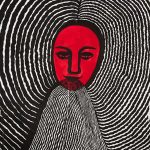
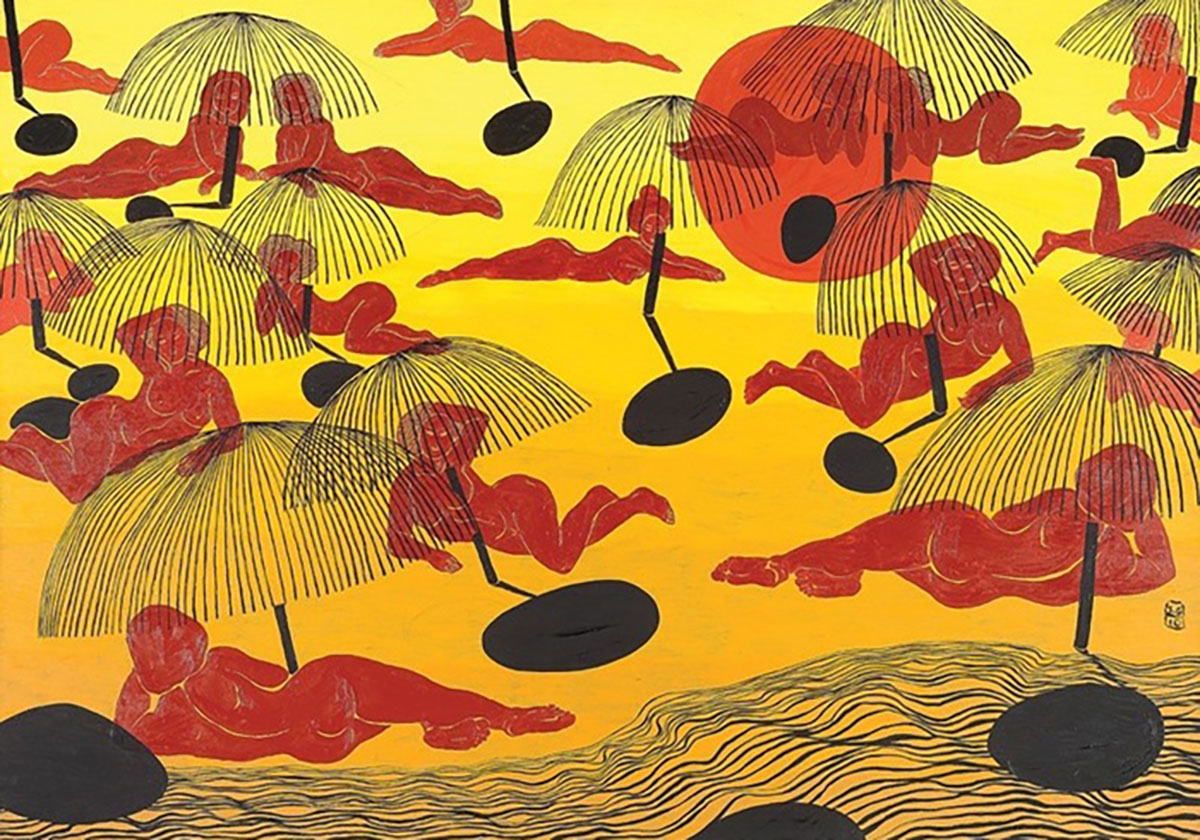
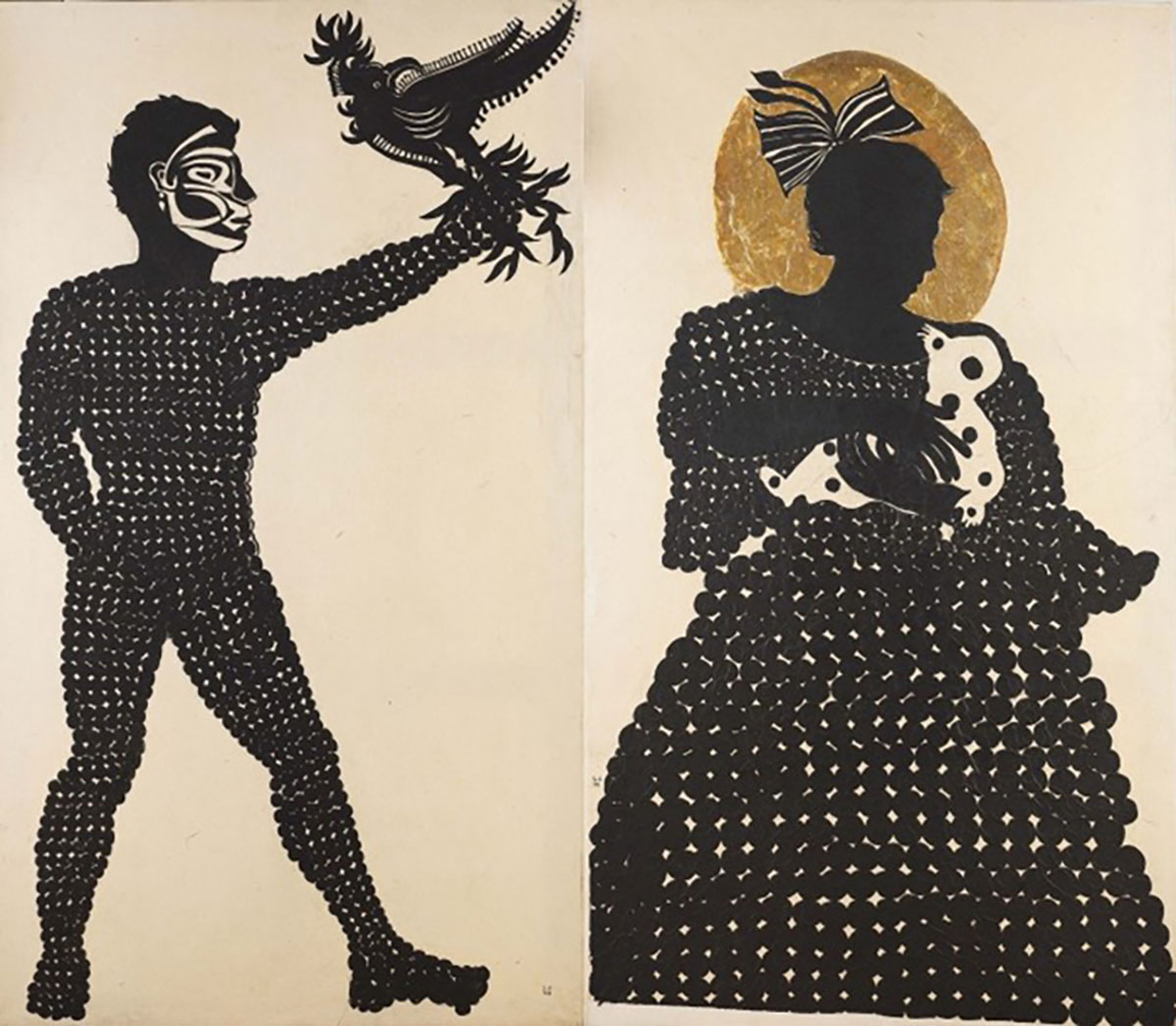
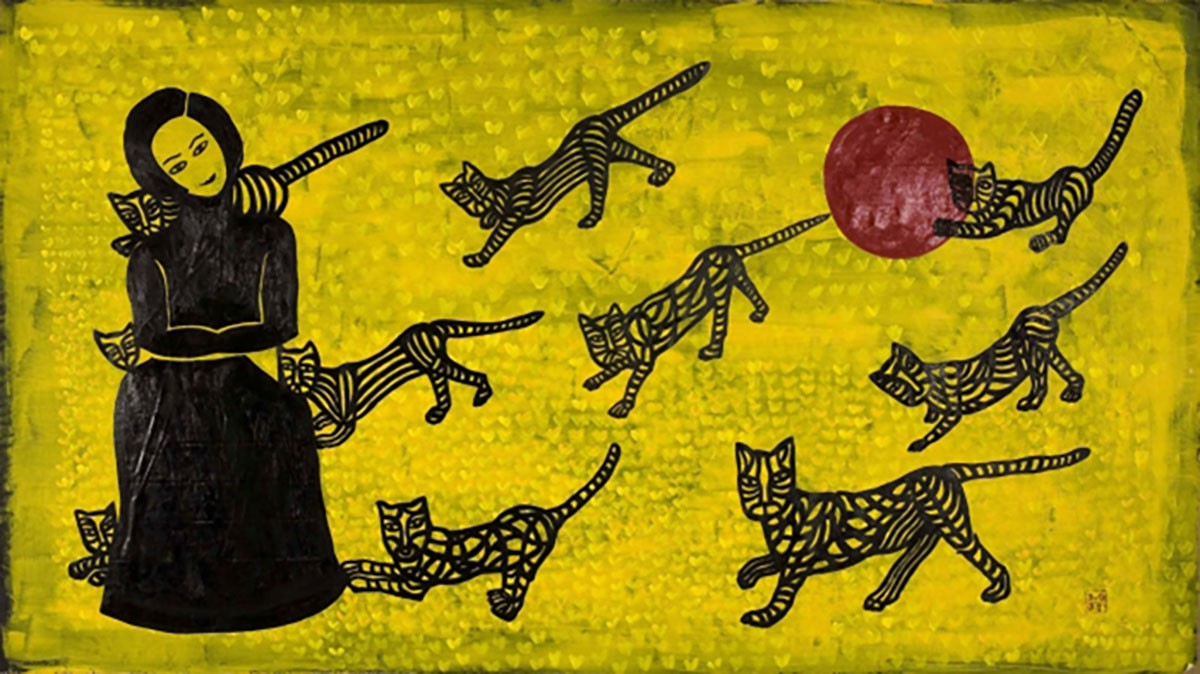
The architectural and figurative architectures of her works are often interwoven with the narrative structure of nature, animals, and mysterious creatures. These images reflect the subconscious effects of myths, fairytales, and the artist’s personal experiences. Images reminiscent of cave paintings frequently appear in Gürbüz’s paintings, evoking the collective memory of cultural history; offering the viewer an atlas of images that are both familiar and foreign.
Multidisciplinary Artist: Painting, Sculpture, Engraving;
Selma Gürbüz had a production range too broad to be limited to painting. He produced works in various disciplines such as painting, sculpture, weaving, and engraving; in 2004, he undertook the set and decor design for the play “Literary Cafes,” for which he also designed the stage. This multifaceted approach created technical diversity and narrative richness in his art; his accumulated narratives, nourished by different materials, further deepened his world of imagery.
Artistic Perspective: Mythology, Culture, and the Subconscious;
Gürbüz's art is defined by a unique pictorial language that eliminates and simplifies unnecessary visual elements. In his works, he drew inspiration from Anatolian stories, Eastern and Western mythologies, Ottoman art traditions, shamanistic narratives, Iranian miniatures, and Japanese woodblock prints. These intercultural references skillfully combined lines, form, and pattern to create captivating figures and fairytale landscapes. The artist built a bridge between subconscious imagery and myths in his visual narrative; the figures, natural elements, and animals in his works often took on symbolic meanings.
International Exhibitions and Events;
Selma Gürbüz held nearly 50 solo and group exhibitions throughout her career; these events took place in world-class cities such as Paris, Prague, Houston, Santa Fe, Tokyo, Beijing, London, Gwangju, and Dubai. The retrospective exhibition held on the third anniversary of her death brought together works from different periods of the artist's career, comprehensively showcasing her interpretation of myths, fairy tales, and collective cultural memory. Gürbüz's work was also featured in international art fairs and biennials, contributing to the global recognition of Turkish contemporary art.
Global Success as a Female Artist;
In 2016, Gürbüz was included in the list of the top 500 best-selling contemporary artists in the world. Her works, mostly paintings, were offered at numerous auctions, including pieces sold at Sotheby's.
This success demonstrates her demand for an internationally renowned artist and is an example of how Turkish art's visibility has increased globally.
Collections and Corporate Representation;
Selma Gürbüz's works are included in the collections of leading museums and institutions around the world. These include the British Museum (London), the Foundation Maeght (Paris), Istanbul Modern, SantralIstanbul, Proje 4L, and the Ankara Museum of Painting and Sculpture. These collections demonstrate that she left a lasting mark on both the national and international art world.
Her Last Years:
After a long battle with cancer, Gürbüz contracted Covid-19 and passed away in Istanbul on April 22, 2021. Despite her short life, she left behind a rich legacy of artistic production, international exhibition experience, and an intercultural artistic language.
-

- Selma Gürbüz

-

- Selma Gürbüz

-

- Selma Gürbüz

-
- Selma Gürbüz

-

- Selma Gürbüz

-

- Selma Gürbüz

-

- Selma Gürbüz

-

- Selma Gürbüz
-

- Selma Gürbüz

-

- Selma Gürbüz
-

- Selma Gürbüz
-

- Selma Gürbüz

-

- Selma Gürbüz

-

- Selma Gürbüz

-

- Selma Gürbüz
