
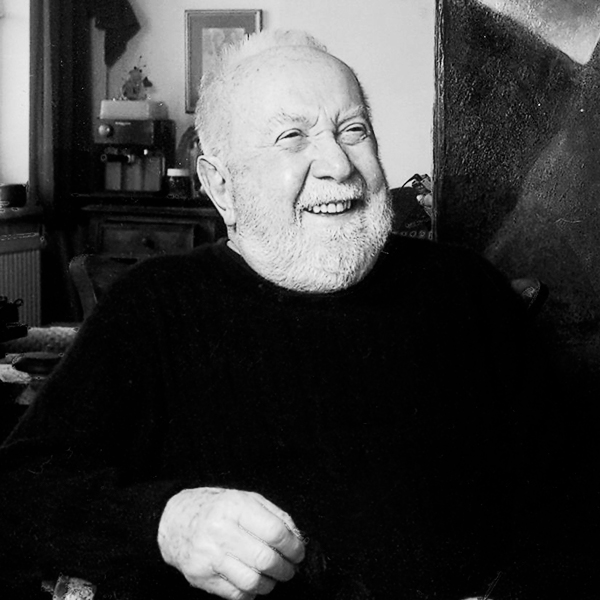
Who was Rasin Arsebük? (1923 Istanbul – October 9, 2017 Istanbul)
A Multifaceted Artist with Both Painter and Lawyer Identities
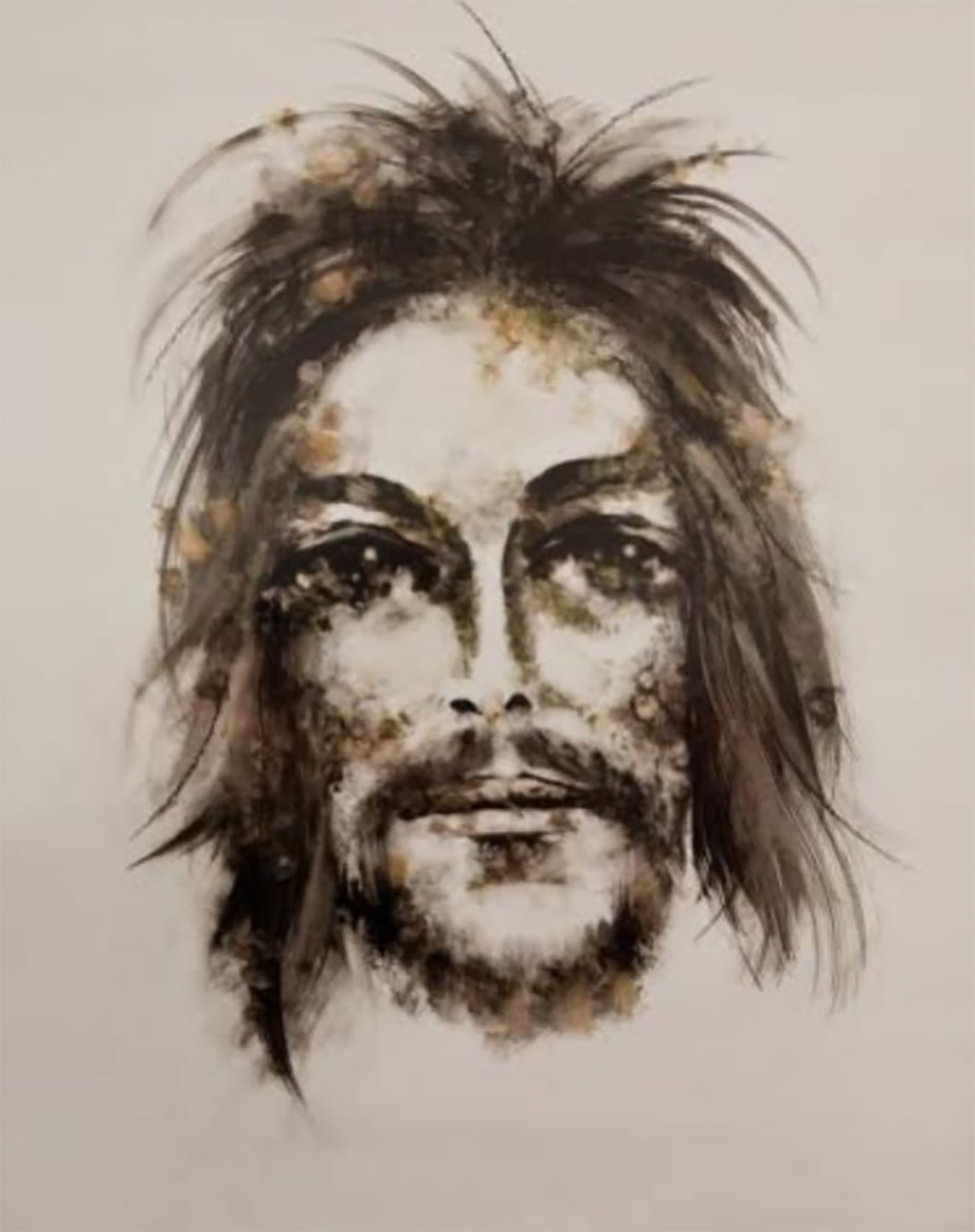
Rasin Arsebük, who stands out in Turkish painting with his figurative expression, unique portrait style, and unusual orientations in his life story, holds a special place in our cultural history with his identity as both a lawyer and a painter. Combining his intellectually shaped academic background with his art education in France, he developed his own unique visual language.
His Life and Education:
Rasin Arsebük was born in Istanbul in 1923. He completed his secondary education at Galatasaray High School in 1944. This prestigious educational institution formed the foundations of the artist’s intellectual development.
In 1948, he graduated from Ankara University Faculty of Law with top honors. This success in the field of law reveals his disciplined and analytical thinking.
His first serious encounter with painting took place in France, where he went for his postgraduate studies. The vibrancy of the art scene and the European painting tradition had a decisive influence on Arsebük. Upon his return to Turkey, he worked as a lawyer for three years; however, his interest in art prevailed, and he went back to France, where he studied painting for approximately five years. This period was the most radical transformation in his life. He decided to leave his legal profession and become a professional painter, and after completing his education, he returned permanently to Turkey.
Artistic Perspective;
Fundamental Themes: Human, Animal, and Nature
Rasin Arsebük adopted three main themes in his art:
• Human
• Animal
• Nature
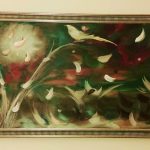
Within this tripartite structure, portraits, fish, and parrot figures stand out. Animal figures are not merely decorative elements; they are beings carrying layers of symbolic and psychological meaning.
Portrait Approach and Figure Composition;
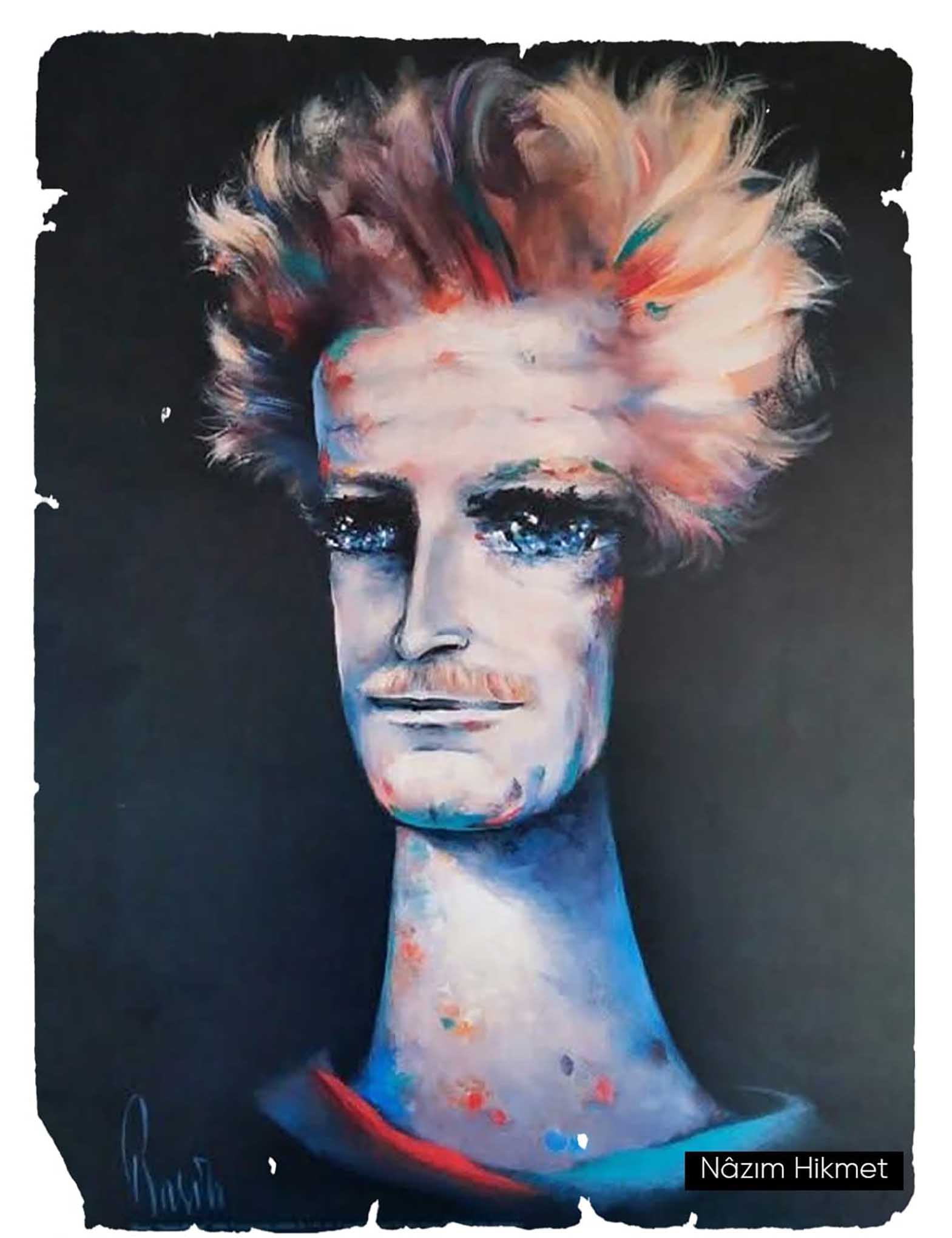
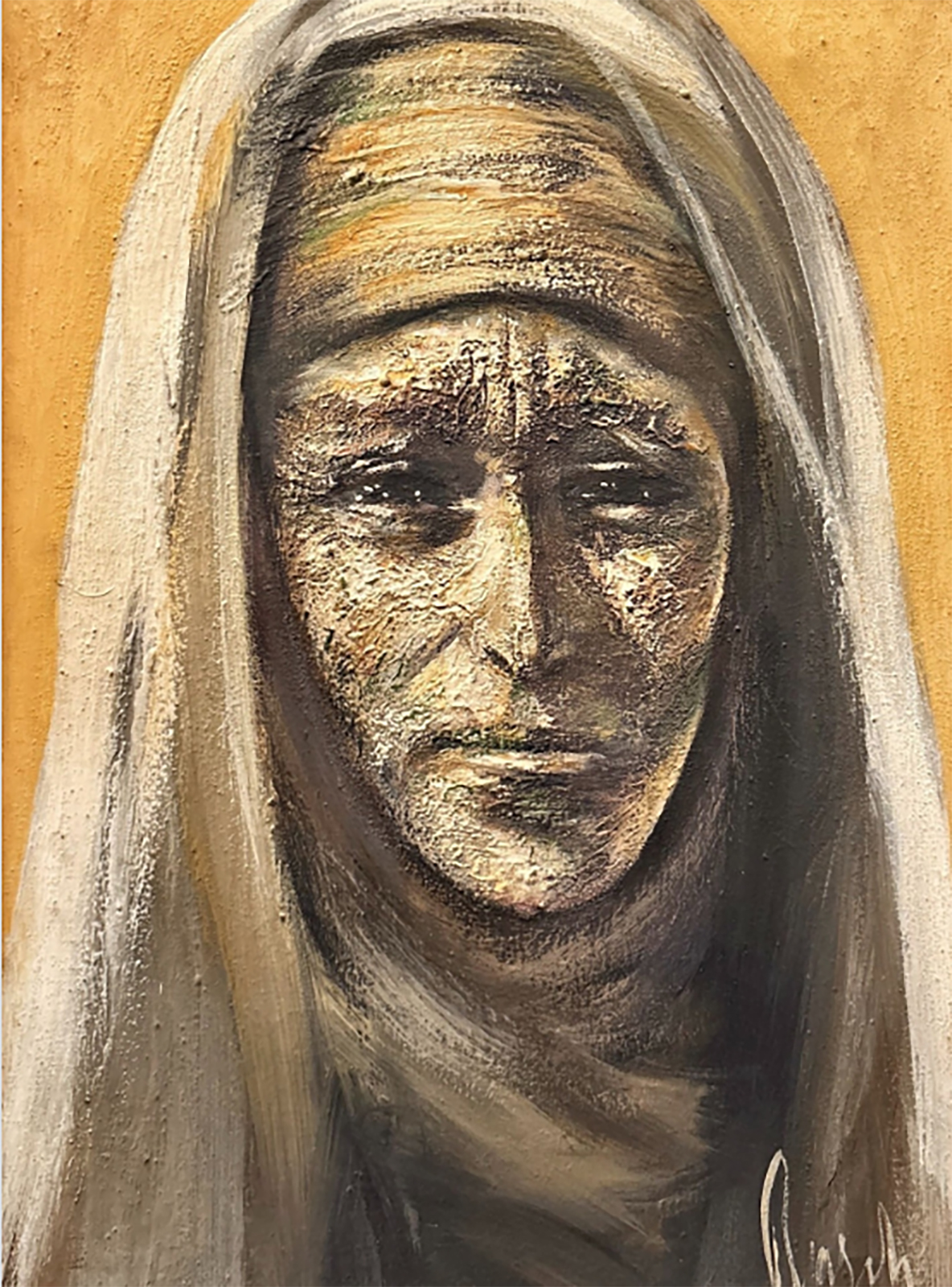
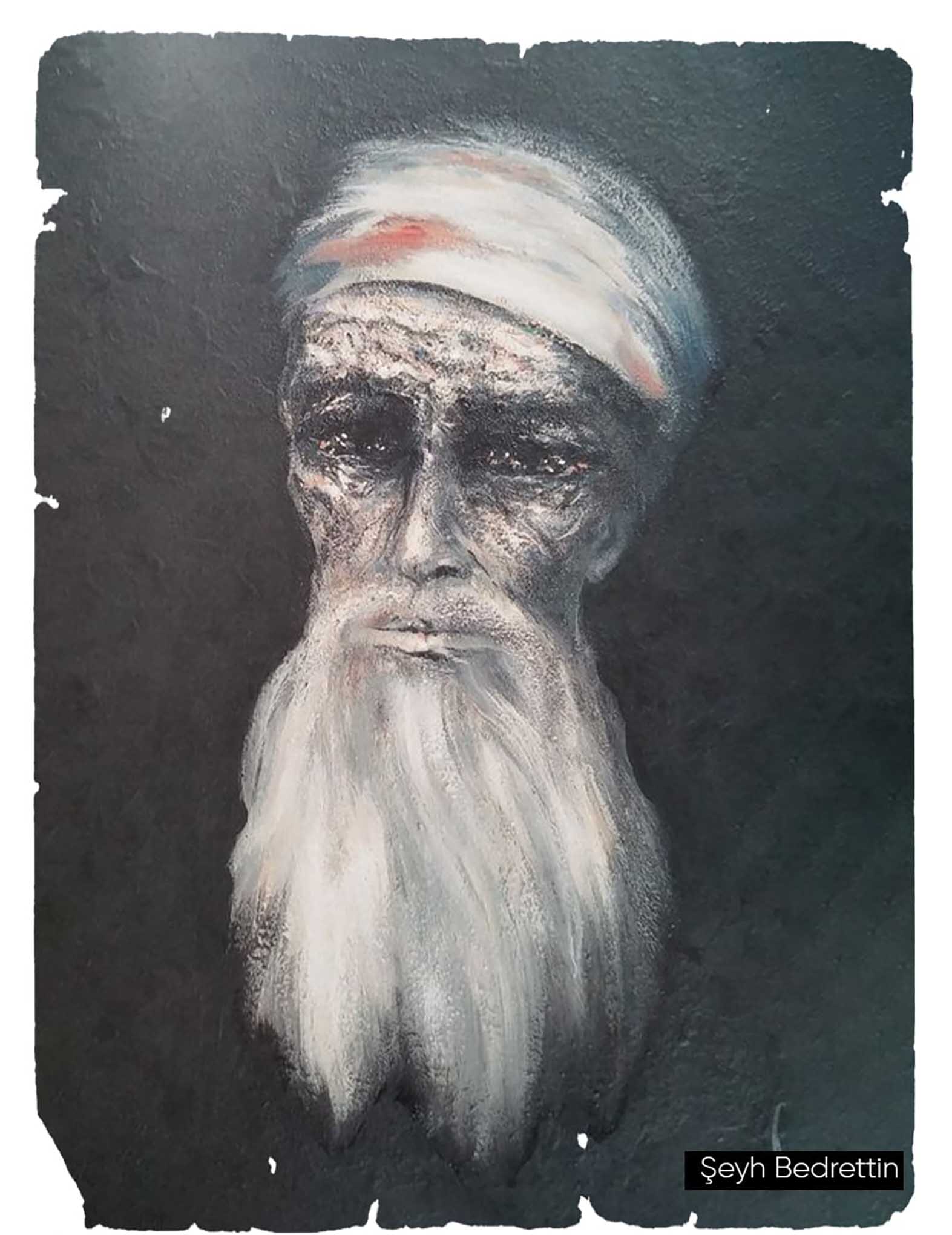
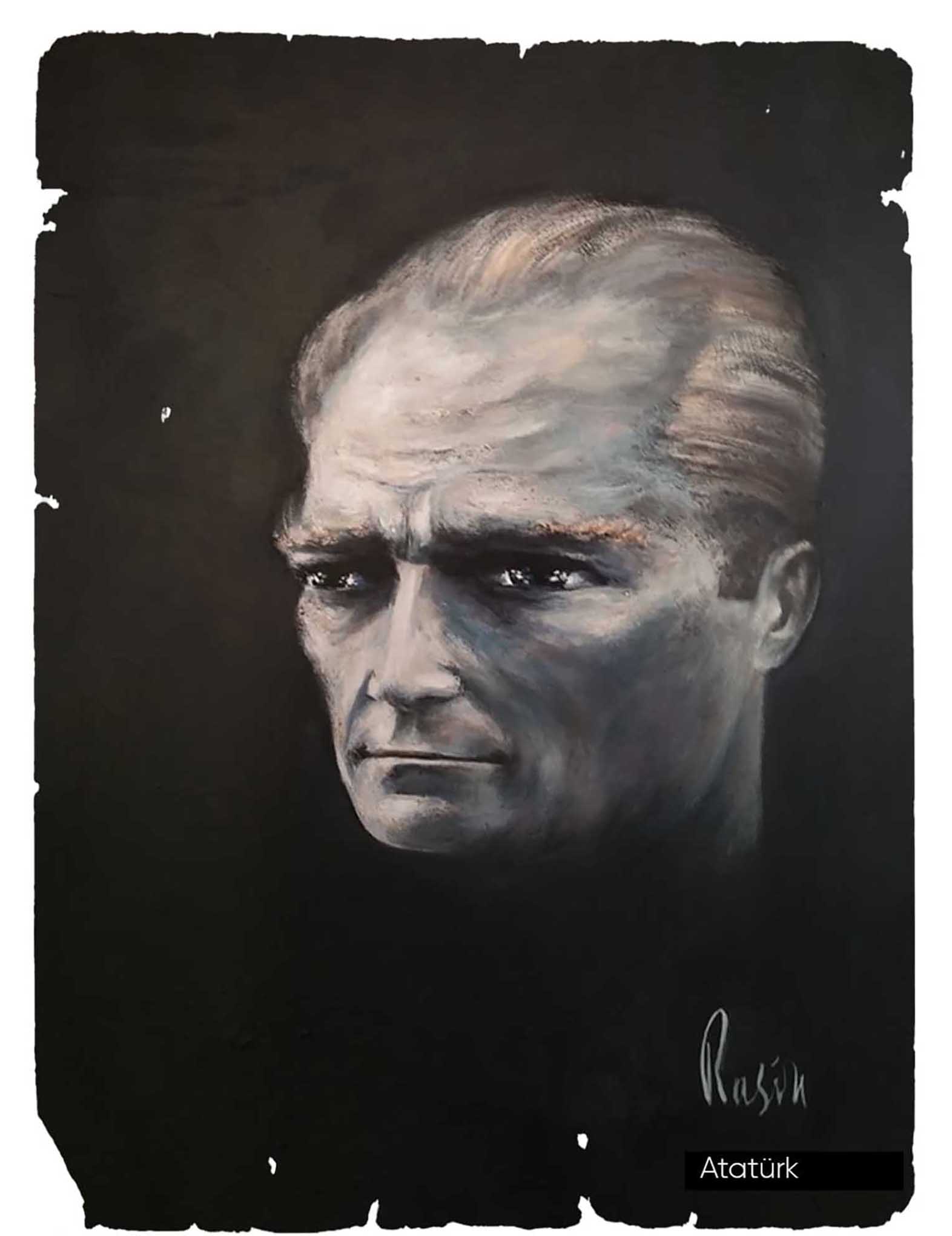
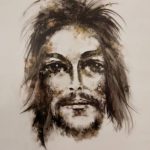
The artist's most distinctive aspect is his portraits. In his portrait works:
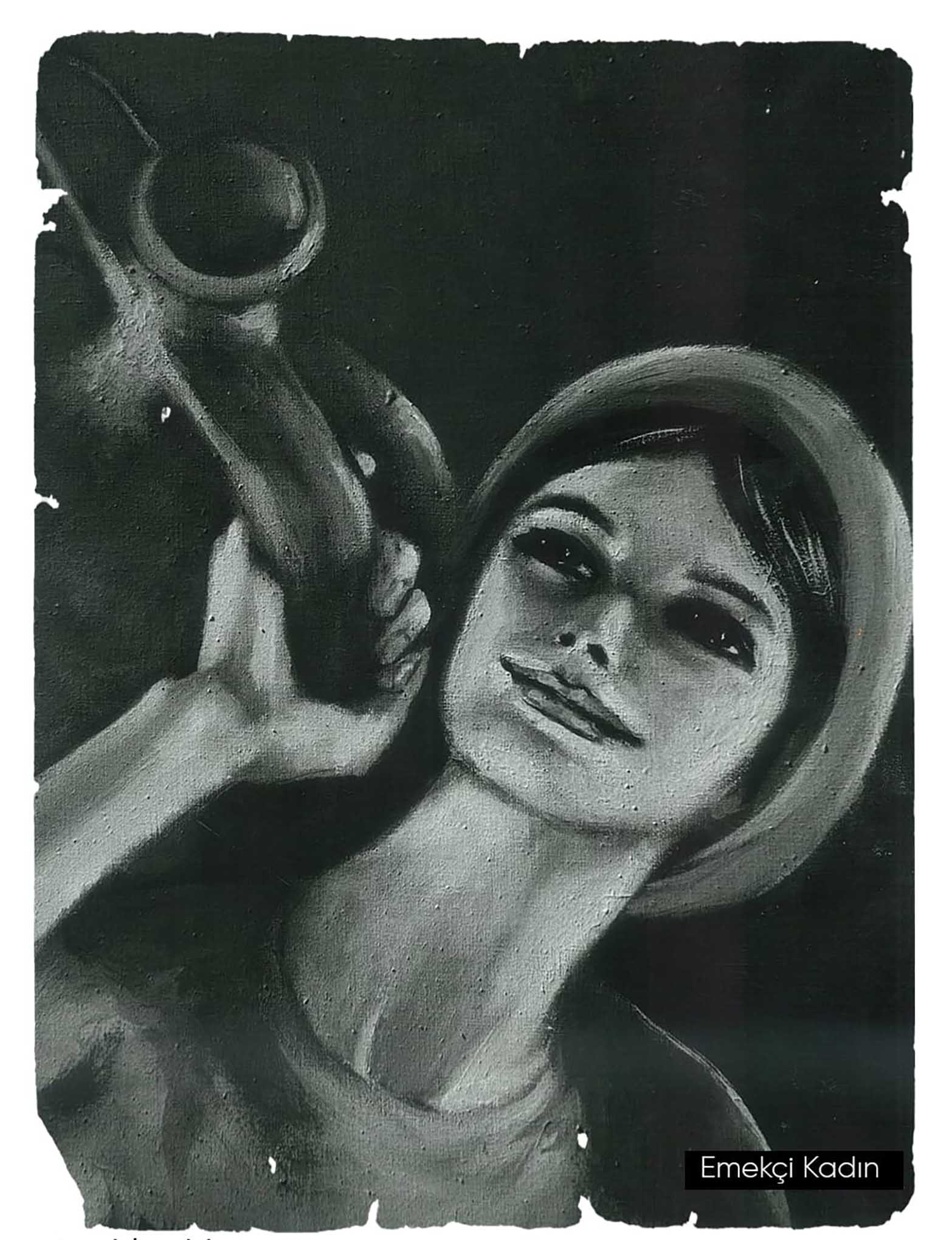
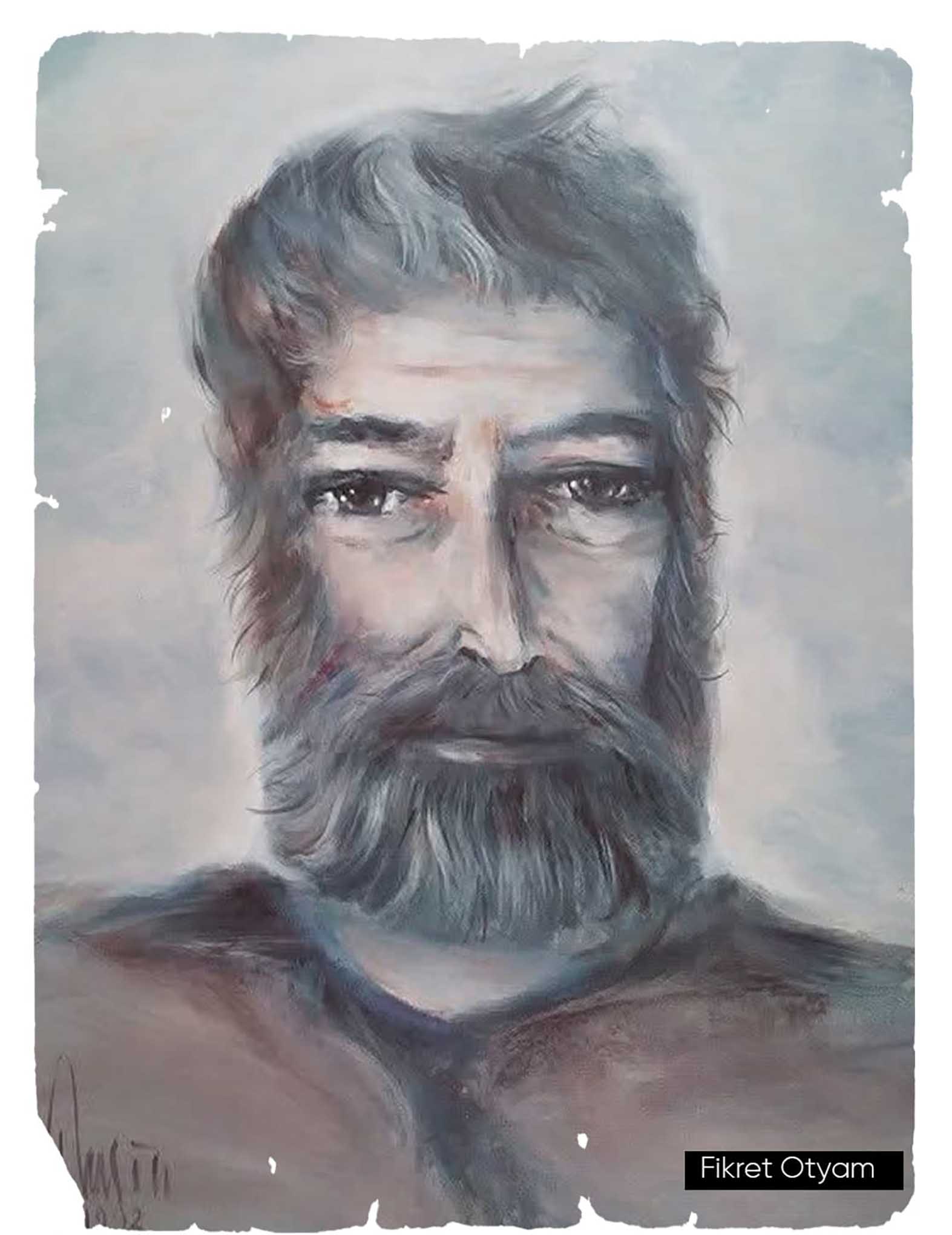
• The background is often left colorless. • The figures are thin, slender, and have long hair. • Large and lively eyes are the focal point of the composition. Arsebük explains the importance he places on eyes by stating that "the first and most important communication between people begins in the eyes." This approach enhances the psychological depth in his portraits. Although the figures are anatomically stylized, structural integrity is preserved. Simplification is seen on the surface; however, the expressive power is intensified. The minimal background directs the viewer's attention entirely to the spiritual atmosphere of the figure.
Technical Characteristics;
The artist mostly used acrylic paint on canvas in his works. The acrylic paint provides:
• Fast drying
• The possibility of layered application
• Matte and controlled surface effect
creating a technical ground suitable for his figurative expression.
The use of color is controlled; it is arranged in a way that brings the figure to the forefront. The colorless background in the portraits dramatically strengthens the expression in the face and eyes.
International Achievements;
Two important turning points in Rasin Arsebük's career stand out:
1. Portrait of the Pope (1980)
In 1980, he painted a portrait of Pope John Paul II, the spiritual leader of the Catholic world. Being invited to paint Jean Paul's portrait demonstrates the artist's international recognition. This work showcased both his technical mastery and his understanding of portrait psychology.
2. World Peace Year Work (1986)
The exhibition and international recognition of the painting he created in 1986 in honor of the World Peace Year revealed the artist's sensitive approach to universal themes. This work is important because it combines the concepts of humanity and peace in a symbolic language.
Exhibitions;
Arsebük has participated in numerous exhibitions in Turkey and abroad.
Solo Exhibitions
• Istanbul – Private galleries
• Ankara – Cultural centers
• Izmir – Art galleries
• France – Various galleries during and after his education
Group Exhibitions
• International art events
• Domestic group painting exhibitions
• International organizations with peace themes
His exhibitions are particularly characterized by portraits and animal-figured compositions.
Artistic Identity;
Rasin Arsebük is an artist who combines classical academic discipline with individual stylization. The analytical thinking style stemming from his legal education is clearly felt in his compositional structure. The main elements that make him unique are:
• Eye-centered portraiture
• Minimal use of background
• His approach to the human-animal relationship on a symbolic level
• Controlled surface understanding developed with acrylic technique
Rasin Arsebük passed away in Istanbul on October 9, 2017. He left behind a disciplined and original artistic practice that left a unique mark on figurative Turkish painting.
-
- Rasin Arsebük
-
- Rasin Arsebük
-
- Rasin Arsebük
-
- Rasin Arsebük
-
- Rasin Arsebük
-
- Rasin Arsebük
-
- Rasin Arsebük
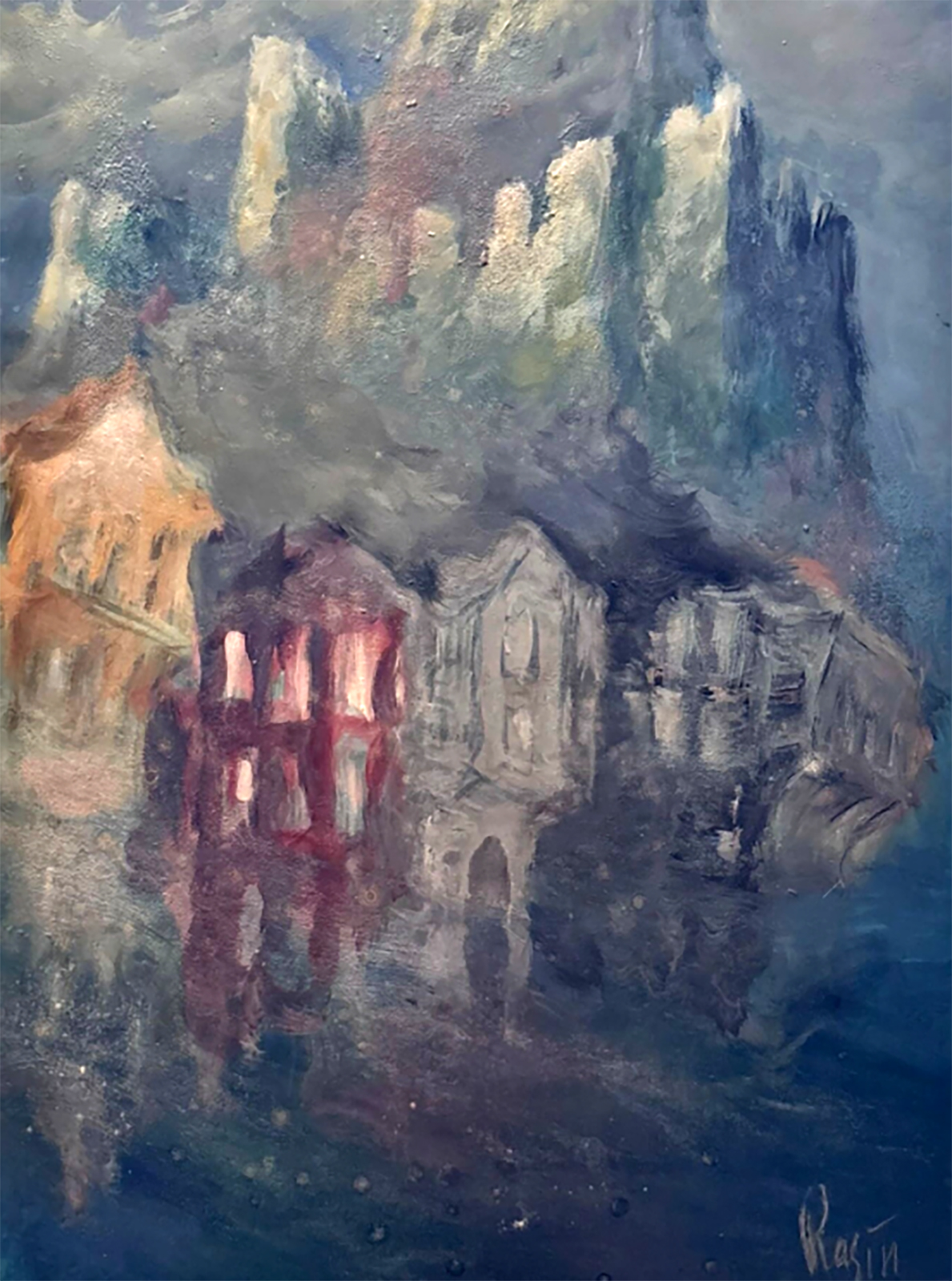
-
- Rasin Arsebük
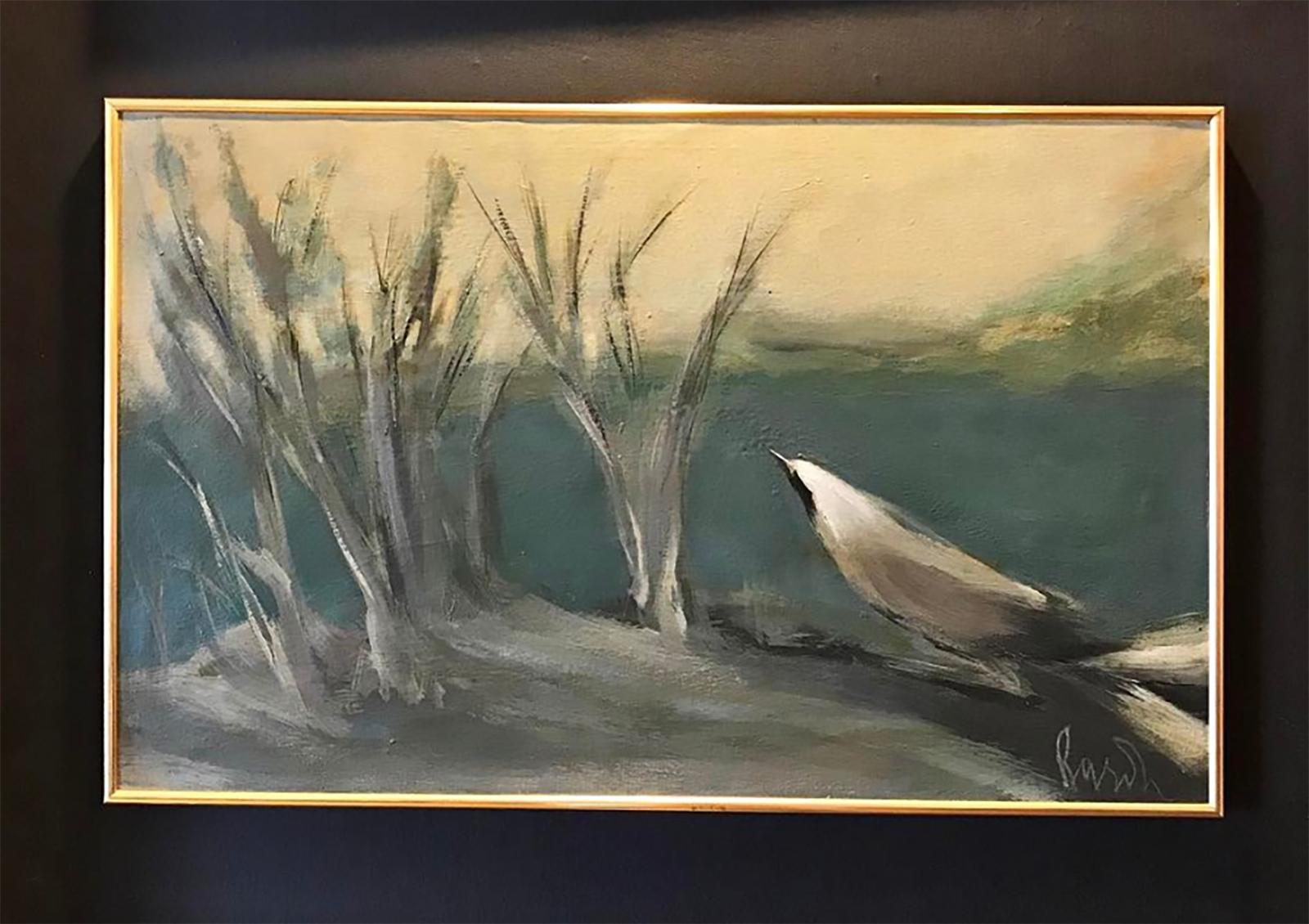
-
- Rasin Arsebük

-
- Rasin Arsebük
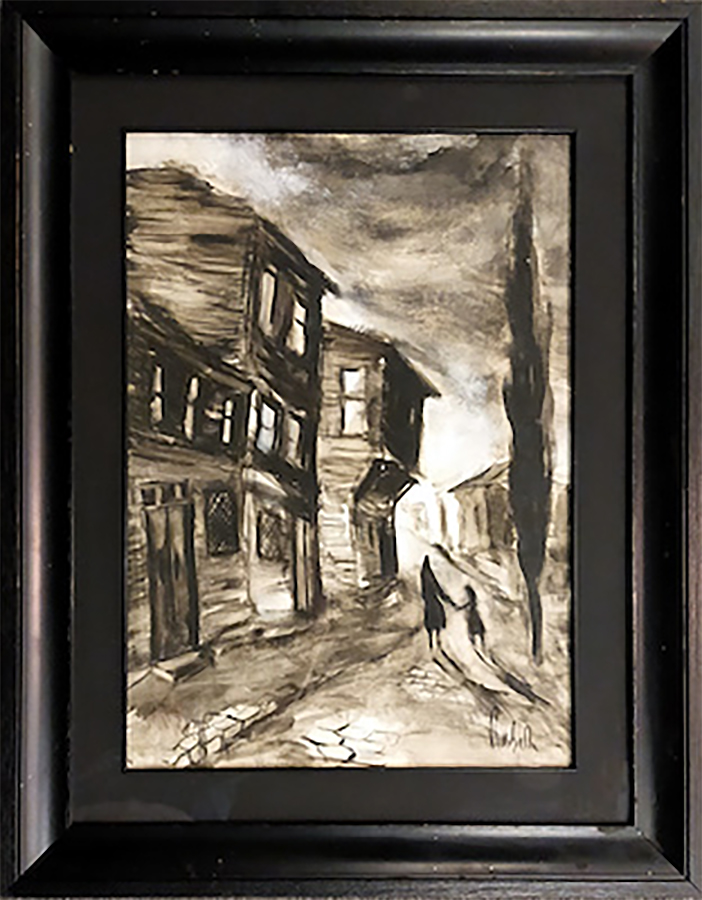
-
- Rasin Arsebük
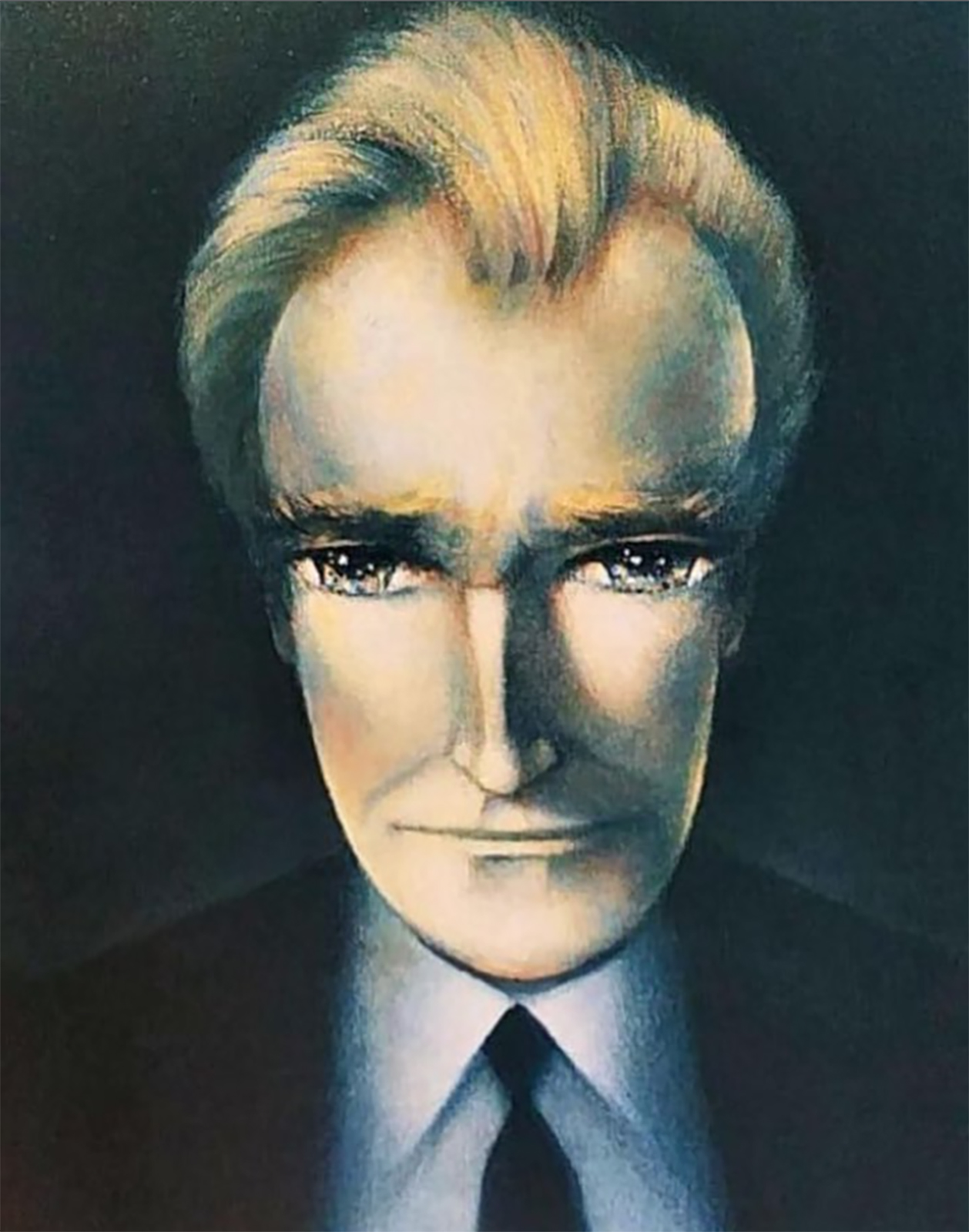
-
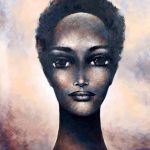
- Rasin Arsebük

-
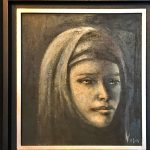
- Rasin Arsebük

-
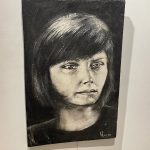
- Rasin Arsebük

-
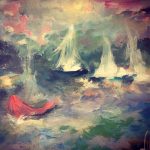
- Rasin Arsebük

-
- Rasin Arsebük

-
- Rasin Arsebük