

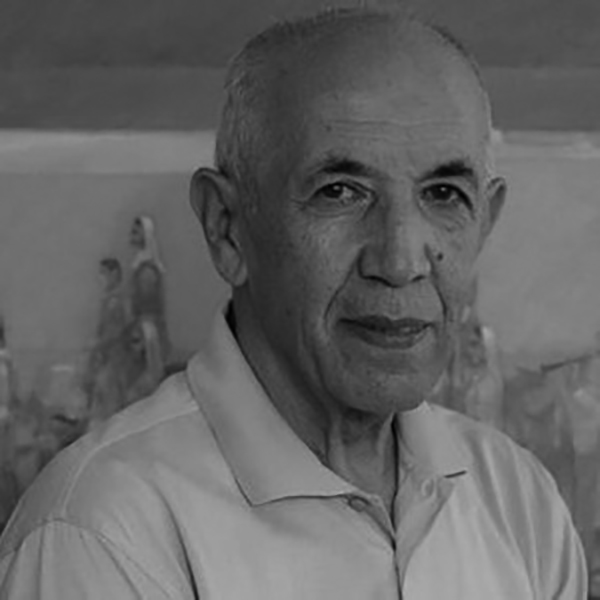
Who was Prof. Dr. Ramiz Aydın? (1937–2023)
Ramiz Aydın is one of the important figures in Turkish painting, visualizing the life story of the Anatolian people through poetic expression and figurative painting. In his works, elements such as people, geography, social structure, and global consciousness work together to create a unique artistic language. Aydın contributed to the training of many artists through his role as an educator and secured a lasting place in the Turkish art scene.
His Life:
Ramiz Aydın was born in 1937 in Espiye (Giresun), Türkiye. Interested in painting from an early age, he graduated from the Painting Department of Gazi Education Institute in 1961, where the education provided shaped his artistic development.
He pursued his academic career as a painting educator, working at the Istanbul Atatürk Education Institute and the Fine Arts Education Department of Marmara University Atatürk Faculty of Education from 1982 to 2004. During this period, he served as the Head of the Painting Department, received the title of Associate Professor in 1987 and Professor in 1995, and retired in 2004. His role as an educator, the importance he placed on the artist’s growth, and the sharing of Anatolian cultural values with younger generations hold a significant place in his life.
Artistic Production and Thematic Focus:
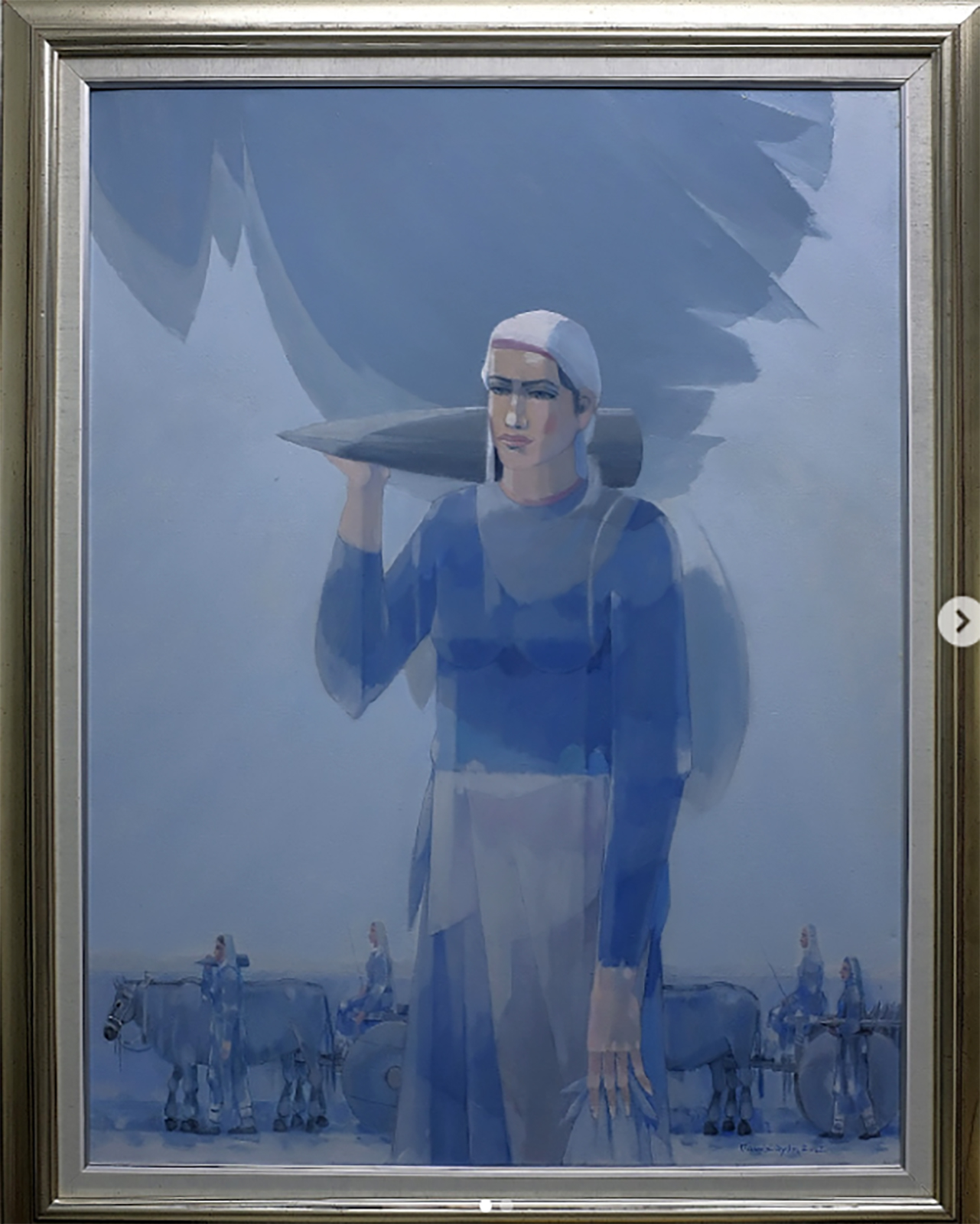
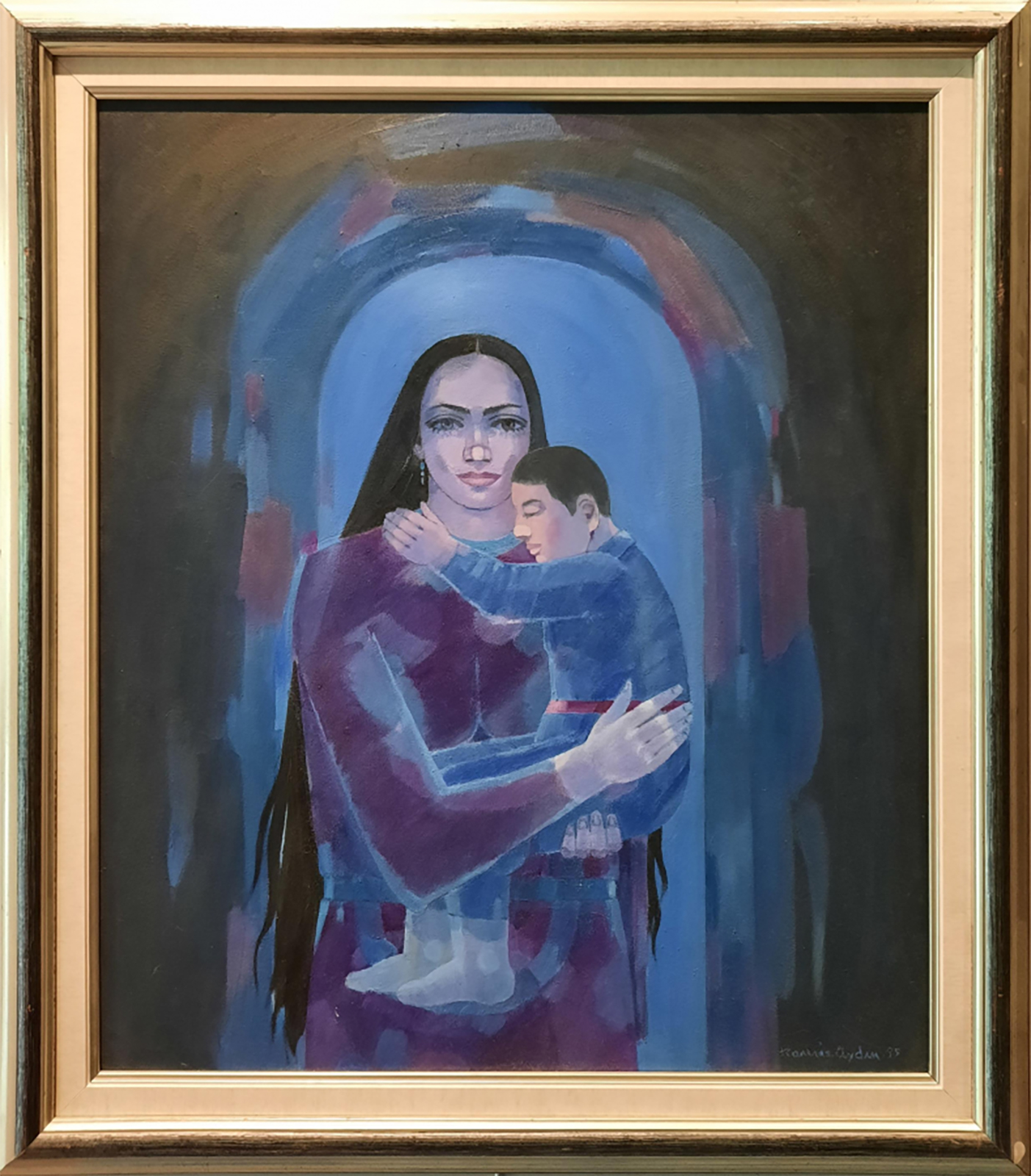
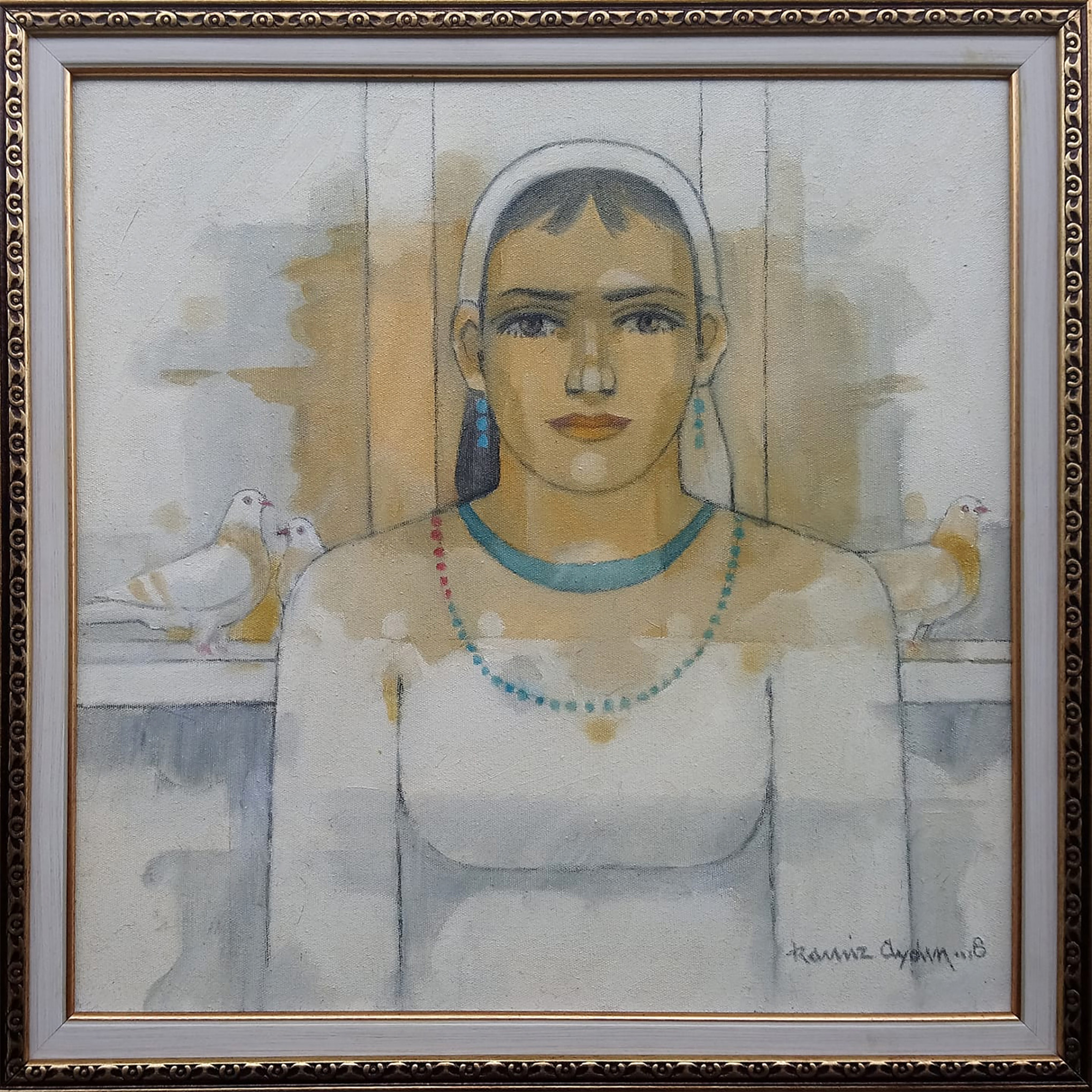
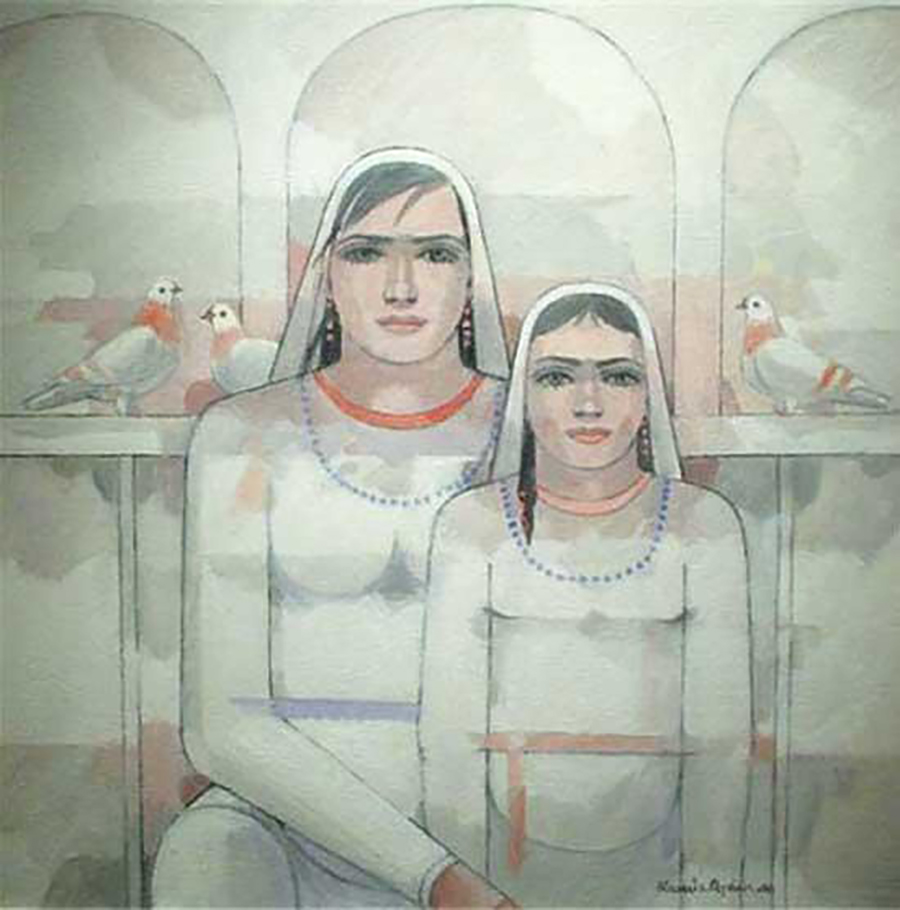
In Ramiz Aydın’s art, Anatolian people, regional life segments, and social elements are prominent themes. Using serene harmonies of gray and pastel colors in his works, Aydın has produced integrated yet powerful content with his figurative painting approach. Themes frequently seen in the artist’s paintings include:
• Human typologies and life from Anatolia
• Social and Constituent Problems
• Contemporary issues such as the War of Independence
• Static, serene, yet emotional narrative
• Gray pastel color harmony and symbolic progression
These elements carry his works not only on a visual level but also along a narrative line that extends to social memory; This style is one of the outstanding examples in Turkish painting that sensitively represents the Anatolian roots.
Featured Exhibitions and International Participation;
Ramiz Aydın has held over 40 solo exhibitions; sharing an extensive production history with art lovers and in the Turkish art scene. Some of the artist's exhibitions include:
• 2006 – Karsu Art Gallery, Istanbul
• 2006 – DYO Art Gallery, Izmir
• 2006 – Doku Art Gallery, Istanbul
• 2007 – Doku Art Gallery, Ankara
• 2007 – JazzNow Art Gallery, Bodrum
• 2008 – “Unforgettable” Exhibition, İKÜ Ataköy
• 2009 – Eskisehir Anadolu University Exhibition Hall
• 2010 – rh+artgallery, Istanbul
• 2011 – ETO Art Gallery, Eskisehir
• 2012 – GaleriM, Ankara
• 2013 – Niş Art Gallery, Istanbul
Aydın has also participated in international exhibitions and fairs in countries such as the USA, Germany, Austria, the Netherlands, Sweden, Japan, Romania, Bulgaria, Kuwait, and France, representing Turkish art.
Art Perspective;
Ramiz Aydın's artistic vision is an expression of emotion and social memory through figurative and spatial content. According to him, painting is not merely a visual expression; it is the voice of life stories and the expression of cultural existence. Combining the nature and human fabric of Anatolia, Aydın expresses his works with a simple yet profound visual language. He particularly prefers pastel and gray tones in his use of color, integrating this color language with the calm and serene expression of the Anatolian people; this gives the work a unique "static tranquility."
Examples of Works and Representation in Museums;
Ramiz Aydın's works are included in the collection of the Ankara Painting and Sculpture Museum. Among these are:
• Villagers from Urfa (1977)
• The Bard from Sivas
• Journey
• Women Carrying Bullets
• Soldiers
• Child on Mother's Shoulder
These works demonstrate the artist's diverse output and figurative approach.
Last Years;
Prof. Dr. Ramiz Aydın passed away in 2023 at the age of 86. His death was seen as the loss of an artist known in Turkish painting as the "costume of the steppe"; his works and educational perspective were deeply respected in art circles. He is often referred to in the art world as the voice of Anatolia, the living director of the village institute program, and a master of human-centered figurative painting; this natural production made a sincere and lasting contribution to the art world in Türkiye.
-

- Ramiz Aydın
-

- Ramiz Aydın
-
- Ramiz Aydın
-

- Ramiz Aydın

-

- Ramiz Aydın

-

- Ramiz Aydın

-

- Ramiz Aydın

-

- Ramiz Aydın
-

- Ramiz Aydın

-

- Ramiz Aydın

-

- Ramiz Aydın

-

- Ramiz Aydın

-

- Ramiz Aydın

-

- Ramiz Aydın

-

- Ramiz Aydın

-

- Ramiz Aydın

-

- Ramiz Aydın

-

- Ramiz Aydın

-

- Ramiz Aydın

-

- Ramiz Aydın

-

- Ramiz Aydın
