


Who was Necdet Kalay? (1932 – 1986)
In Turkish painting after the Republic, a new generation of artists, starting from the 1950s, developed an approach that continued the academic tradition while simultaneously bringing Anatolian life and local culture to their paintings. Necdet Kalay, a member of this generation, is one of the painters who stands out with his works that combine figurative expression with a decorative style. The artist, who depicted Anatolian landscapes, peasant life, and folkloric themes with broad brushstrokes, became one of the well-known and highly regarded painters in the Turkish art market, especially in the 1970s.
His Life:
Turkish painter Necdet Kalay was born in Istanbul in 1932. He completed his primary and secondary education in this city. His interest in painting began at a young age, and he started his first studies by taking lessons from sculptor Faruk Morel and painter Şeref Akdik. In later years, he studied at the Painting Department of the Istanbul State Academy of Fine Arts. Between 1954 and 1957, while studying at the Academy of Fine Arts, he received lessons in both painting and art knowledge from many art authorities, thus having the opportunity to develop his art culture. However, it is generally accepted that the artist was largely a self-taught painter.
Necdet Kalay held his first solo exhibition in Istanbul in 1960. Beginning in the 1960s, the artist became known in art circles, and especially in the 1970s, he took his works abroad, exhibiting them in various countries.
In the 1970s, a period when private collectors in Turkey showed interest in Turkish painters, Necdet Kalay became a very popular artist, and his works reached a wide audience of collectors. The artist passed away in 1986.
Artistic Approach:
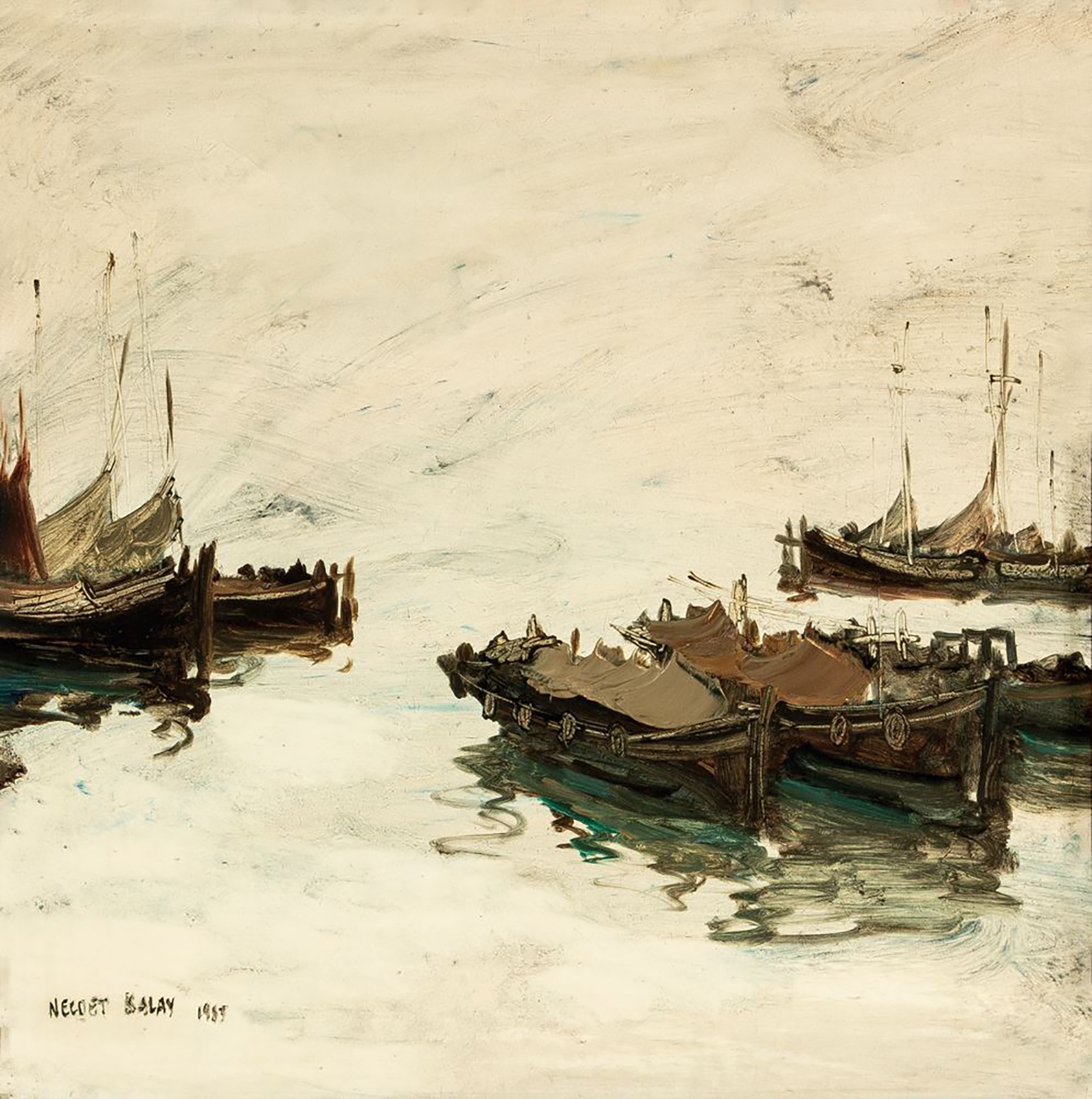
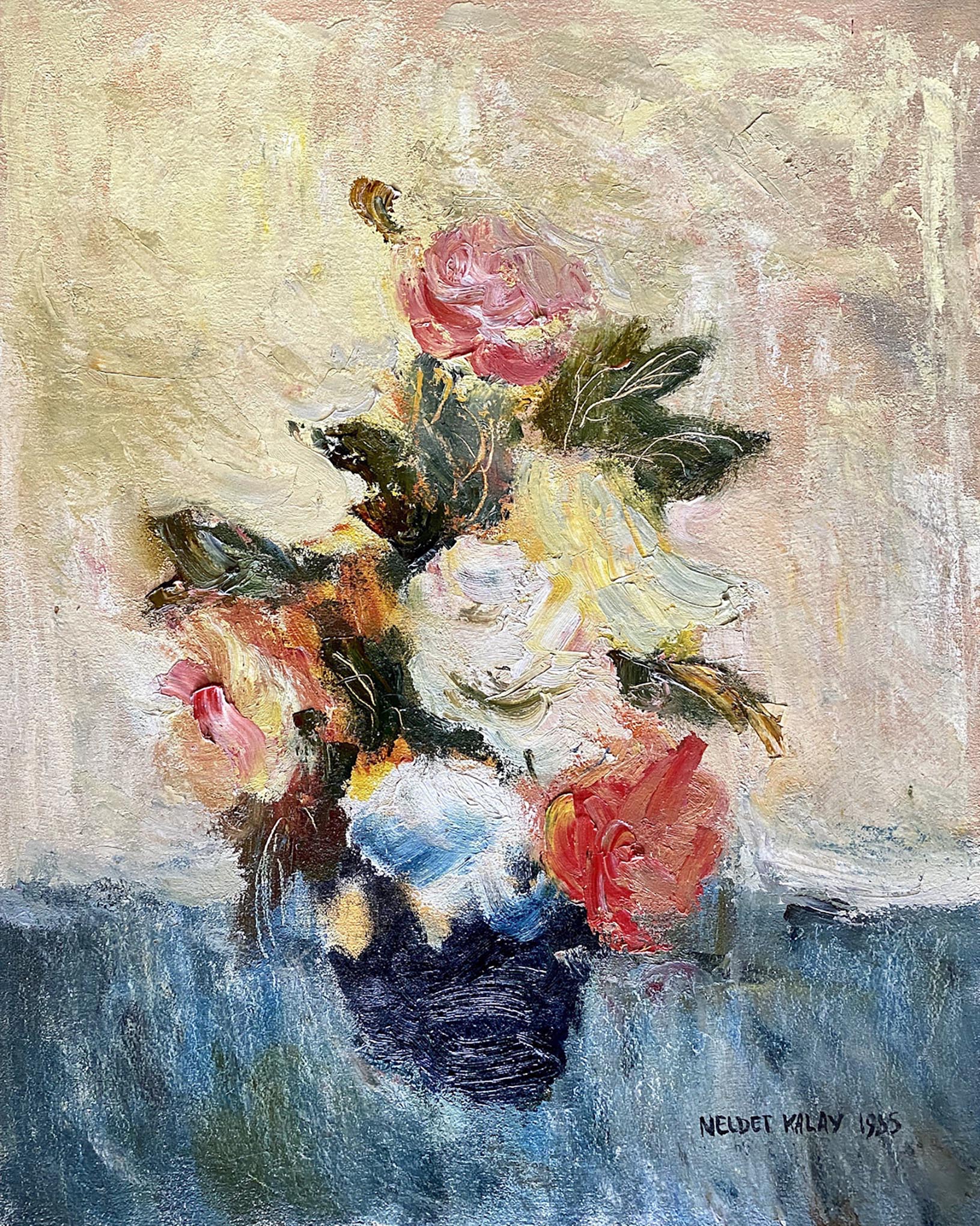
While Necdet Kalay’s paintings are based on a figurative foundation, the artist often stylizes forms to create a decorative expression. His paintings tend to present the image by removing details and focusing on the main lines. This approach creates a form of expression that strengthens the overall effect of the compositions.
Anatolian Landscapes
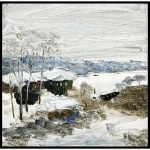
Anatolian nature holds an important place in Kalay's paintings. The artist has produced compositions that particularly focus on rural life and nature. Anatolian villages, rural life scenes, and wide nature views frequently appear in his paintings.
Brush Usage
The artist's paintings are characterized by broad and free brushstrokes. This technique creates a strong sense of movement, especially in landscape works.
Decorative Style
Decorative effect is a prominent feature in Necdet Kalay's paintings. Figures and natural elements are treated within the integrity of the composition rather than with detailed realism. Colors are often used in broad surfaces. Themes
The subjects frequently seen in the artist's paintings are:
• Anatolian landscapes
• peasant life
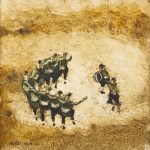
• folk dances
• rural life scenes
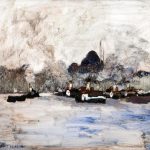
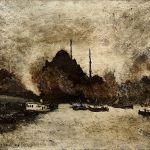
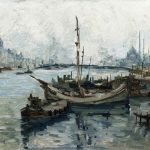
• Istanbul views
Stylistic Development;
Necdet Kalay's artistic understanding has gone through certain stages over time. Late 1950s – 1960s
The beginning of his artistic career. Figurative and impressionistic influences are seen.
Late 1960s – 1970s
A period in which Anatolian themes gained prominence. Broad brushstrokes and decorative compositions become prominent.
1970s – 1986
Maturity period. Works in which stylization increased and figures and landscapes were dealt with in stronger compositions.
Exhibition Chronology (Selection);
1960 – First solo exhibition, Istanbul
1960–1970 – Participation in various group exhibitions in Istanbul, Ankara and Izmir
1970s – Participation in various exhibitions held in Europe and America
1980s – Solo and group exhibitions in various galleries in Istanbul
Examples of his works;
• Halay (Turkish folk dance)
• Anatolian Landscape
• Villagers
• Golden Horn
• Istanbul Views
A significant portion of his works are in private collections in Turkey and abroad.
His Position in Turkish Painting History;
Necdet Kalay is among the artists who dealt with Anatolian themes with a modern understanding in post-Republican Turkish painting. His style, which combines figurative expression with decorative arrangements, has given his paintings a unique character. He became one of the painters who were known in the Turkish art market, especially in the 1970s, and whose works were of interest to collectors. The artist's paintings are still in private collections and various art galleries today.
-

- Necdet Kalay

-

- Necdet Kalay

-
- Necdet Kalay

-

- Necdet Kalay

-

- Necdet Kalay

-
- Necdet Kalay

-

- Necdet Kalay

-

- Necdet Kalay
-

- Necdet Kalay

-
- Necdet Kalay

-

- Necdet Kalay

-

- Necdet Kalay

-
- Necdet Kalay

-

- Necdet Kalay

-

- Necdet Kalay
-

- Necdet Kalay

-

- Necdet Kalay

-

- Necdet Kalay

-

- Necdet Kalay

-

- Necdet Kalay

-
- Necdet Kalay

-

- Necdet Kalay

-

- Necdet Kalay

-

- Necdet Kalay
