

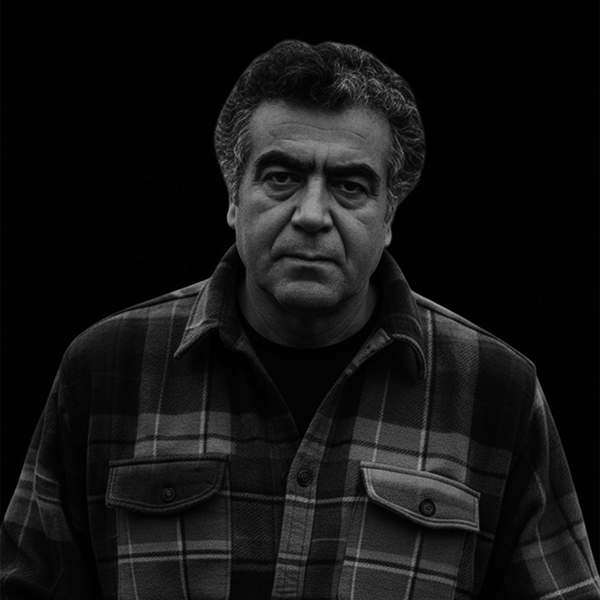
Who is Lütfü Cülcüloğlu? (1949 Sivas – 2002 Istanbul)
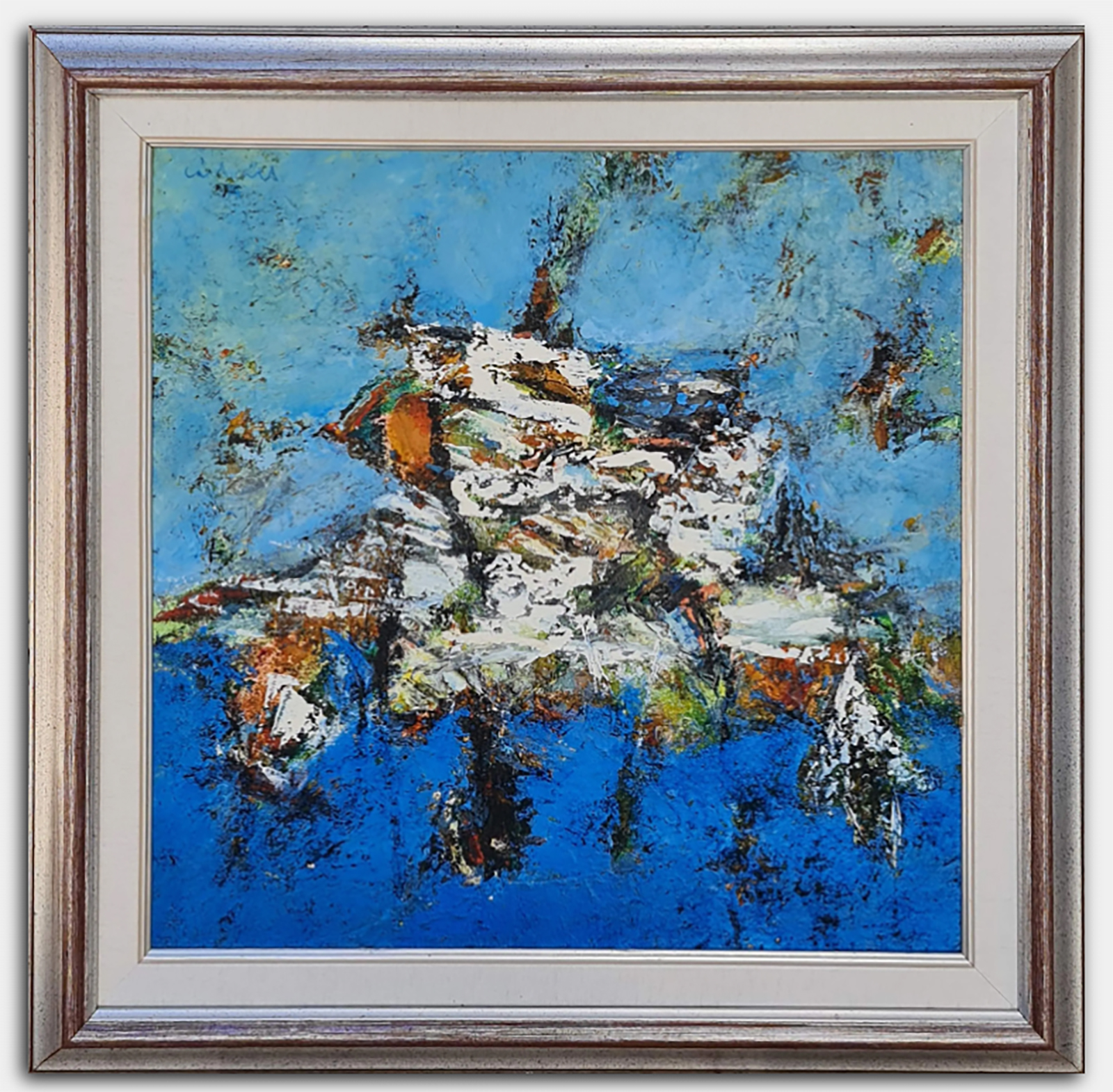
Lütfü Cülcüloğlu is one of the prominent artists in Turkish painting of the last quarter of the 20th century, distinguished by his unique balance between abstract and figurative expression, his photograph-based visual composition approach, and his early initiatives in digital art circulation. His artistic practice was not limited solely to pictorial production; it also created an intellectual space encompassing themes such as visual memory, personal archives, identity, and the effects of modernization processes on the individual.
His Life:
The artist was born in 1949 in the village of Akdeğirmen (formerly Halhavu) in the Zara district of Sivas. The cultural diversity and traditional way of life of Anatolia indirectly influenced his focus on themes of visual memory and identity in later years. He attended Zara Gazi Primary School, Pamukpınar Teacher Training School for middle school, and Ortaköy Teacher Training School in Istanbul for high school. Between 1966 and 1969, he received his first art education from Selahattin Hüsnü Taran, his teacher at the Teacher Training School from which he graduated. After working as a primary school teacher in Hatay for a year, he studied at the Painting Department of the State Applied Fine Arts High School, now known as the Painting Department of the Faculty of Fine Arts at Marmara University, between 1970 and 1974. Following his education, he settled in Istanbul for art education. This city became the main center where the artist received both academic art education and shaped his professional art life. He opened his first painting exhibition in Istanbul in 1985. In 1967, his paintings were included in a group exhibition in Berlin, Germany, and between 1971 and 1973, he participated in the State Painting and Sculpture Exhibitions. Lütfü Cülcüloğlu, who is among the artists who paint in spyut style and whose numerous works are in domestic and foreign private and public collections; Between 1995 and 1996, he was the first in Türkiye to find buyers for his paintings on the world market via the internet. Because of the online promotion and sale of his paintings, which had artistic value, he was featured on the news on ATV during those years.
Art Education;
He began his art education with private workshop classes. During this period, he took lessons from academically trained art educators such as Selahattin Hüsnü Taran.
He later completed his education at the Painting Department of the former State Applied Fine Arts High School, which is now part of Marmara University. This institution is one of the schools that played an important role in the modernization of applied art education in Turkey.
Since the applied tradition is based on design, graphic thinking, and application discipline, structure, composition, and surface organization are strongly felt in Cülcüloğlu's art.
Beginning of His Artistic Life and International Opening;
The artist made contact with the European art scene at a young age. In particular, his participation in group exhibitions based in Berlin allowed him to observe international art circles in his early years.
His participation in State Painting and Sculpture exhibitions in Turkey in the 1970s shows that the artist was accepted in academic art circles.
Artistic Perspective;
1. Abstract-Figurative Tension
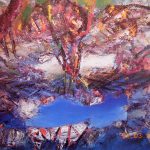
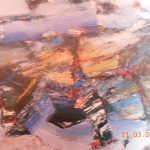
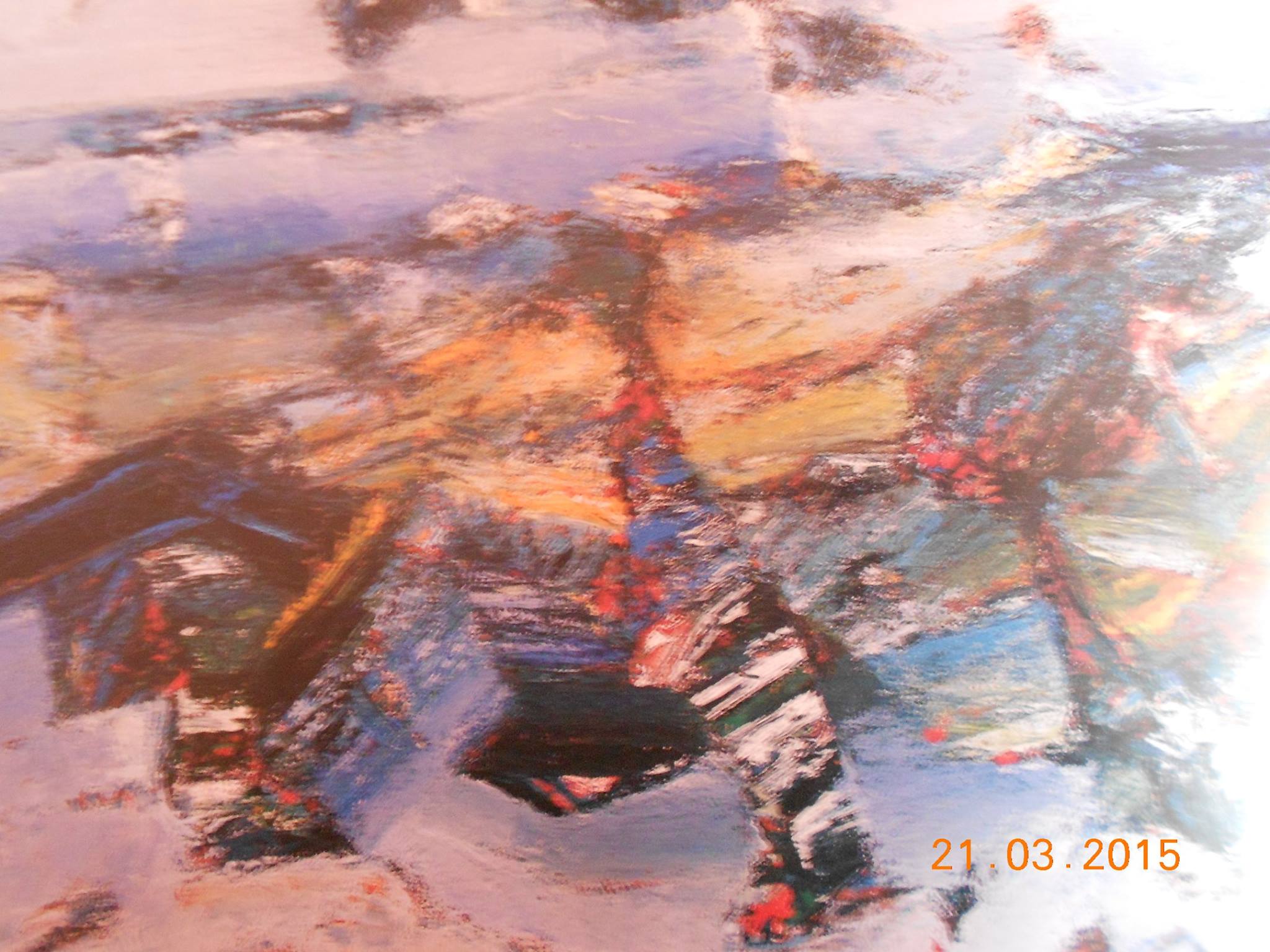
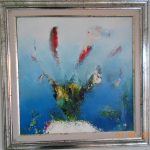
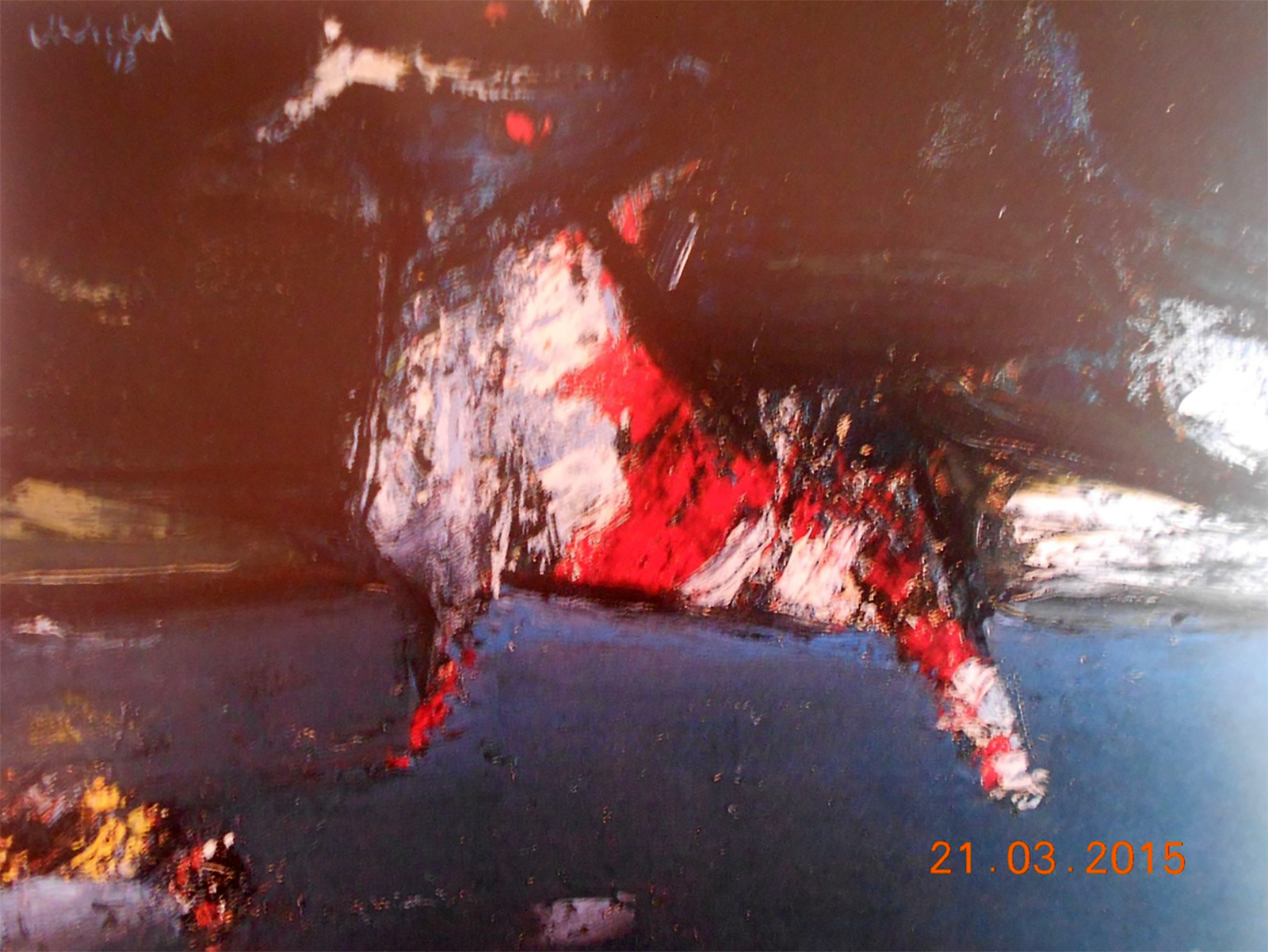
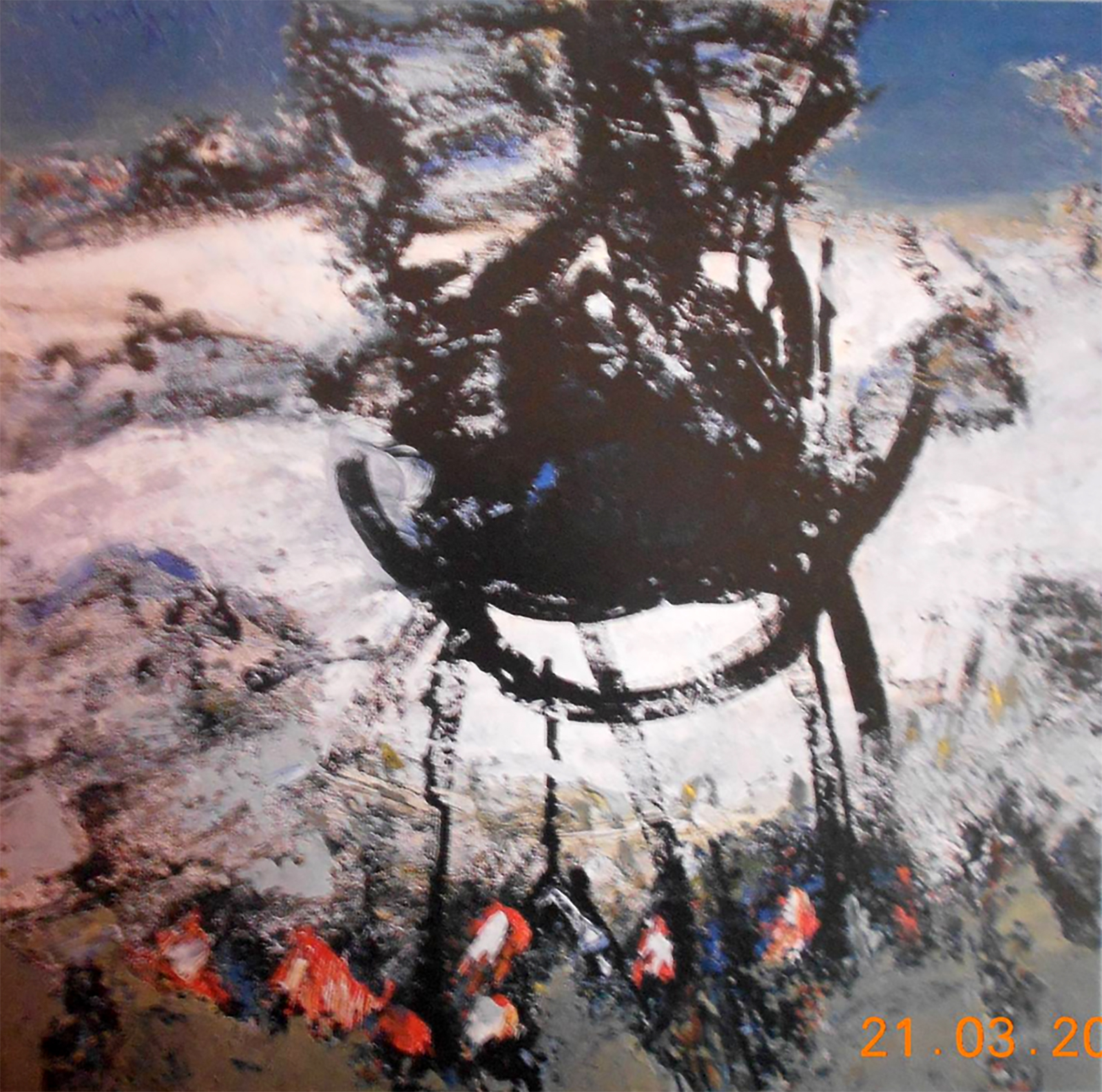
In Cülcüloğlu's painting, there is a constant tension between the abstract background and the figure. The figure is often not fully resolved; it appears fragmented, blurred, or dissolved within the space. This approach is related to themes such as:
• The fragmentation of the modern individual's identity
• Memory and remembrance processes
• The questioning of photographic reality
2. The Role of Photography in the Painting
The artist treated photography not only as a reference but also as a constitutive element of the painting. The use of photography is seen at three levels:
• Family photographs and personal archives
• Constructed figure photographs
• Historical and cultural visual documents
This approach creates layers of time on the painting surface.
3. Autobiographical Layer
The artist's repeated use of his own figure or images of himself in some of his works brings his painting closer to a personal historical narrative. In this respect, his production can be evaluated within the tradition of modern autobiographical painting.
Pioneering Role in Digital Art Circulation
His attempt to reach international collectors with his works via the internet in the mid-1990s is a very early example for the Turkish art scene.
This initiative can be considered an early precursor to the concepts that are widespread today:
• Online gallery
• Digital portfolio
• International art network
Thematic Universe
The recurring themes in Cülcüloğlu's paintings are:
• Memory and time
• Individual identity
• The relationship between photography and reality
• East-West cultural transition
• The individual in the modernization process
His Position in Art History;
The artist is important in Turkey in the post-1970 generation in the following aspects:
• His systematic use of photograph-based painting composition in the early period
• His handling of abstract and figurative language together
• His production of pioneering examples of digital art circulation
• His placing personal memory and identity issues at the center of his paintings
Death;
Lütfü Cülcüloğlu lost his life in a traffic accident in 2002. His death is considered an early loss for contemporary Turkish painting, as it occurred during the mature period of his career. Although Cülcüloğlu's art appears to be technically rooted in the abstract painting tradition, it is strongly narrative in content. The visual language he constructed around photography, memory, and identity places him in a unique position within contemporary Turkish painting.
-
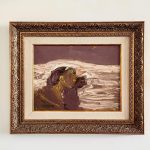
- Lütfü Cülcüloğlu

-
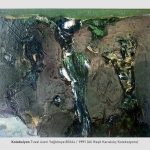
- Lütfü Cülcüloğlu

-
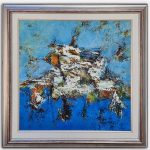
- Lütfü Cülcüloğlu
-
- Lütfü Cülcüloğlu

-
- Lütfü Cülcüloğlu

-
- Lütfü Cülcüloğlu

-
- Lütfü Cülcüloğlu

-
- Lütfü Cülcüloğlu
-
- Lütfü Cülcüloğlu

-
- Lütfü Cülcüloğlu
-
- Lütfü Cülcüloğlu
-
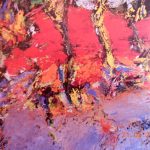
- Lütfü Cülcüloğlu

-
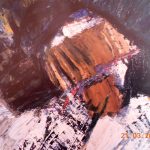
- Lütfü Cülcüloğlu
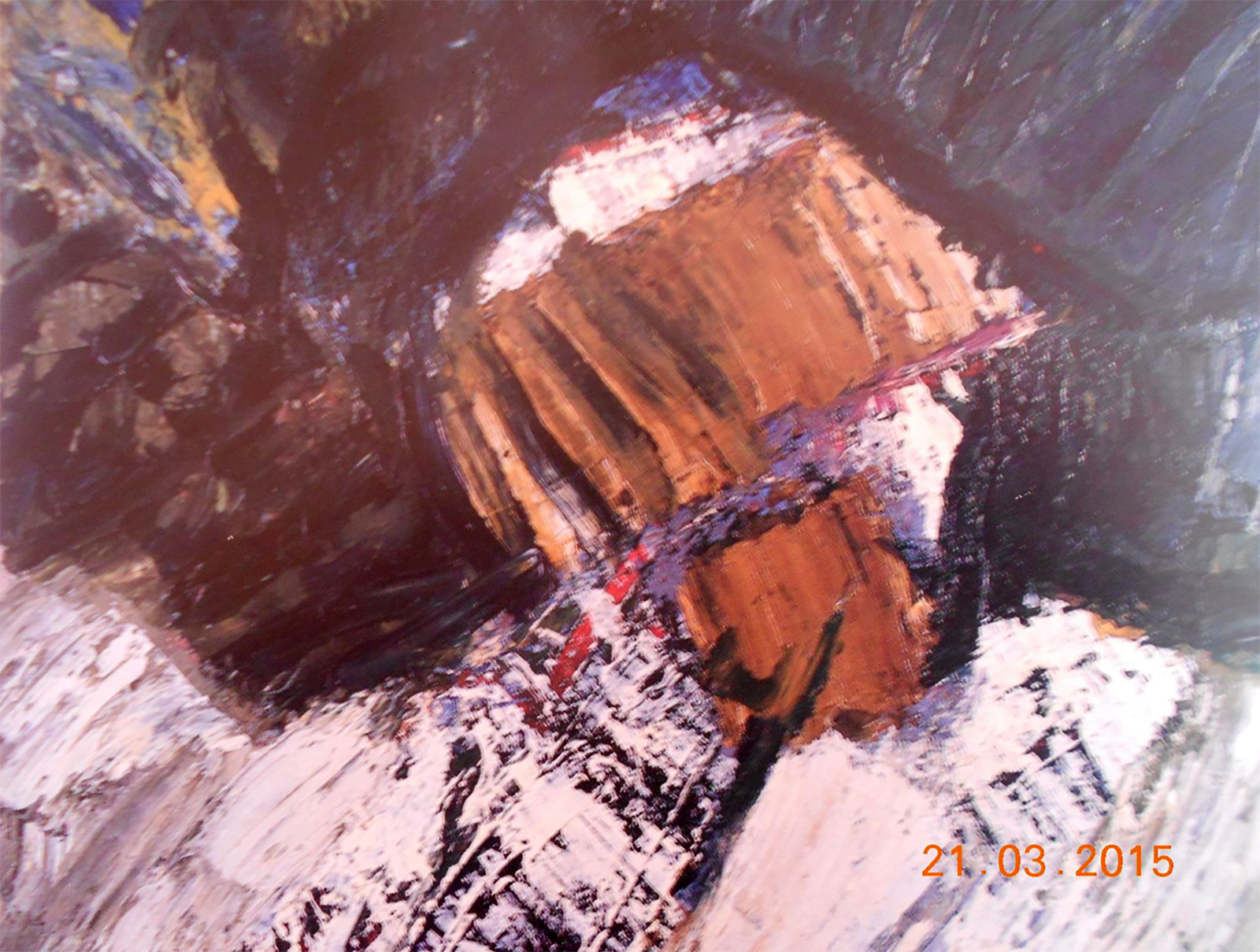
-
- Lütfü Cülcüloğlu

-
- Lütfü Cülcüloğlu
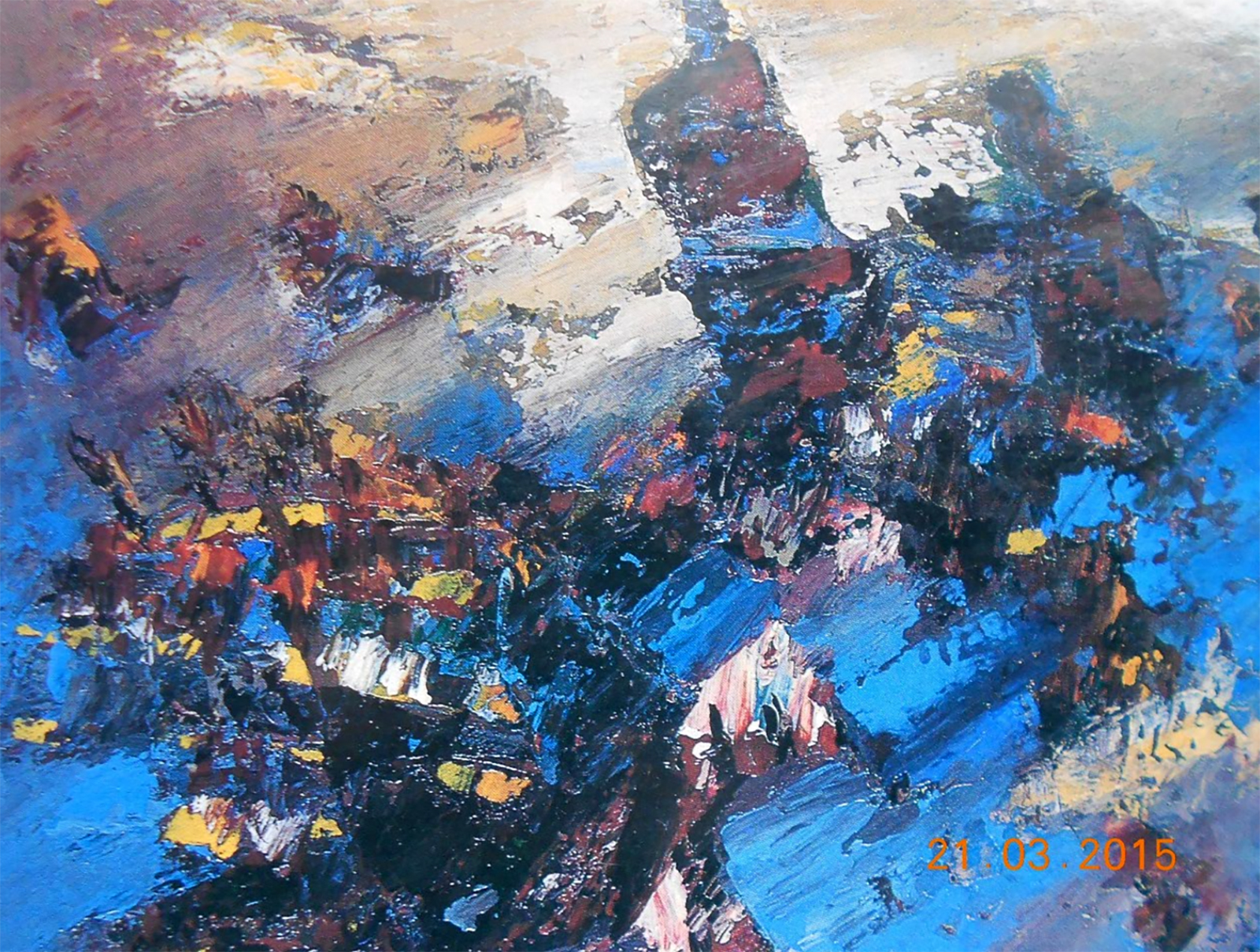
-
- Lütfü Cülcüloğlu
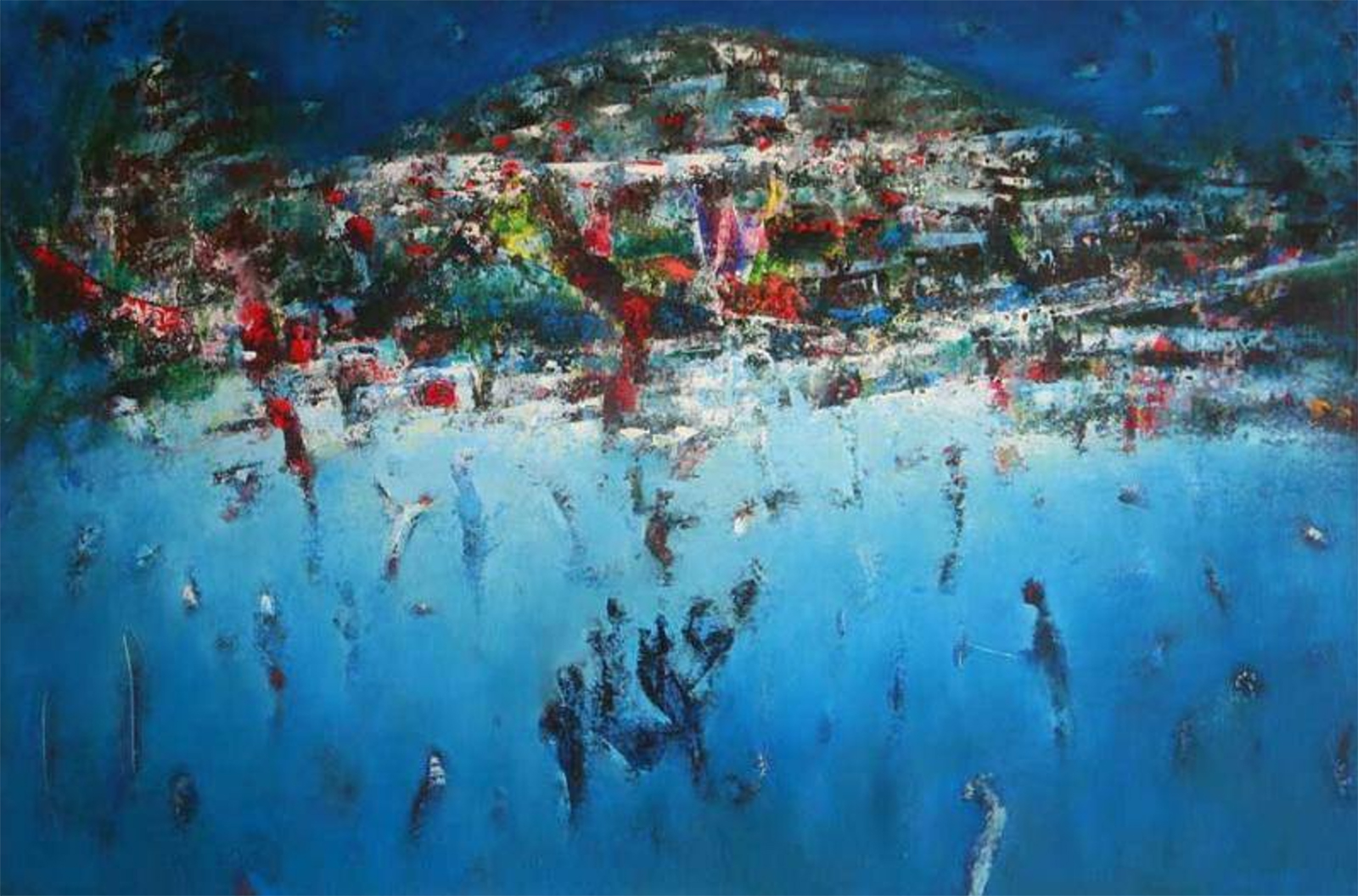
-
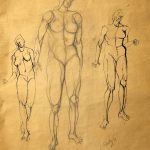
- Lütfü Cülcüloğlu

-
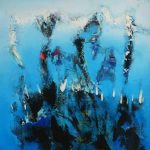
- Lütfü Cülcüloğlu
