


Who is Leman Tantuğ? (1926 – Erzurum – 2002)
A Silent Figure in the Generation of Female Artists of the Republican Era
Identity and Short Biography;
Leman Tantuğ is one of the female painters who produced works in Turkish painting during the Republican era. Although comprehensive biographical sources about her are limited, her works in museum collections show that she developed a painting language that particularly focused on figurative and everyday life themes.
Her works in the Ankara Painting and Sculpture Museum collection records reveal that the artist was actively producing works in the 1970s. These records suggest that Tantuğ particularly focused on themes of education, childhood, school life, and social memory.
Her Life;
She was born in Erzurum in 1926.
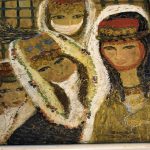
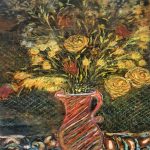
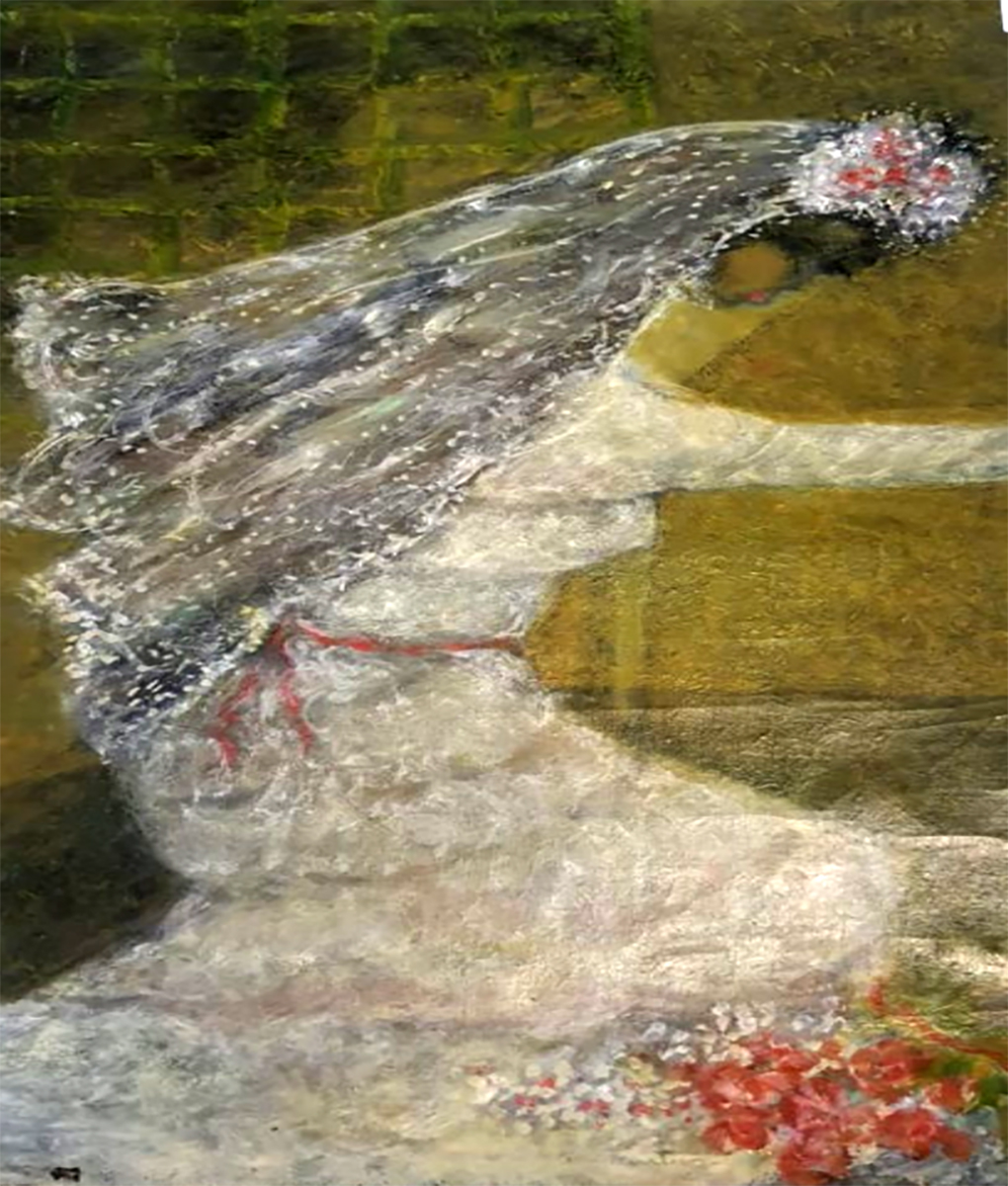
Initially, she produced works focusing on people, using pastel colors and in a figurative style, but later she turned to naive humor, and even won first prize at an exhibition (international naive artists exhibition) in Venezuela in 1979, after which her work became known throughout the country and the world. At the time, it was intended to be included in the only museum dedicated to naive painters. As a result of this international exhibition, in which three Turkish painters participated through state sponsorship, the Turkish bureaucracy, for some reason, did not allow Leman Tantuğ’s work to be included in the museum of naive painters! In 1980, she won the grand prize with her oil painting in an organization held among Balkan countries, again with state sponsorship. The winning work was intended to be included in the Bucharest National Museum, but the Turkish bureaucracy again prevented this. Leman Tantuğ is known as the first Turkish female painter to bring the atmosphere and colors of traditional miniature art to modern painting with her unique style. The artist, drawing on a solid knowledge of classical painting, reflected her innovative style on canvas primarily using surface painting techniques. The artist passed away in 2002.
Artistic Production and Thematic Approach;
Based on the titles of works registered in museum collections, some fundamental inferences can be made about Tantuğ's artistic approach.
Some of his known works include:
• Child Painters (1979)
• End of School Memory (Ceremony)
• School Garden (1976)
These work titles and production periods suggest that the artist particularly focused on:
• Childhood and educational life
• Collective memory
• Social rituals
• Simple moments of daily life
In this respect, Tantuğ's production can be associated with the narrative line that shifted from social realism to individual life segments seen in Turkish painting after 1960.
Stylistic Characteristics
When the technical records of the works are examined, it is seen that the artist:
• Worked mainly with oil paint
• Used surfaces such as cardboard and hardboard
• Stayed close to figurative expression
This technical choice aligns with the approaches prevalent in the Turkish art scene of the 1970s:
• Studio production
• Diversity of materials
• Transition between graphic and painting disciplines.
Her Position in Turkish Painting;
Despite the limited written sources about her, Leman Tantuğ can be considered, thanks to her works in museum collections, among the artists who:
• are part of the post-Republican female artist production chain
• are part of the figurative and socially themed narrative tradition
• bring themes of education and social life to painting.
In particular, the themes of childhood, school, and collective experiences bring her painting closer to a human-centered social observation rather than an ideological one.
Her Significance from an Art Historical Perspective;
While some artists in Turkish art history are documented with comprehensive catalogs, others can only be traced through museum records and collection works. Leman Tantuğ is among the artists in this second group.
This situation points to an important area of research in terms of the visibility of female artists in art history in Turkey. Despite limited biographical information available about her, Leman Tantuğ is considered among the artists who, thanks to her works in museum collections, represent a significant part of the figurative and socially sensitive artistic output of Turkish painting during the Republican era. Her artwork titles and technical characteristics demonstrate that she developed a visual narrative focusing particularly on themes of childhood, education, and social life. In this respect, Tantuğ can be recognized as one of the artists in Turkish painting who brought simple yet meaningful moments of everyday life into her painting language.
-

- Leman Tantuğ

-

- Leman Tantuğ

-

- Leman Tantuğ

-

- Leman Tantuğ

-

- Leman Tantuğ

-

- Leman Tantuğ

-

- Leman Tantuğ

-

- Leman Tantuğ

-
- Leman Tantuğ

-

- Leman Tantuğ

-

- Leman Tantuğ

-

- Leman Tantuğ

-
- Leman Tantuğ

-

- Leman Tantuğ
-

- Leman Tantuğ

-

- Leman Tantuğ

-

- Leman Tantuğ

-

- Leman Tantuğ

-

- Leman Tantuğ

-
- Leman Tantuğ

-

- Leman Tantuğ

-

- Leman Tantuğ

-

- Leman Tantuğ
