


Who is İbrahim Çiftçioğlu? (1952, Çorum – March 17, 2026, Muğla)
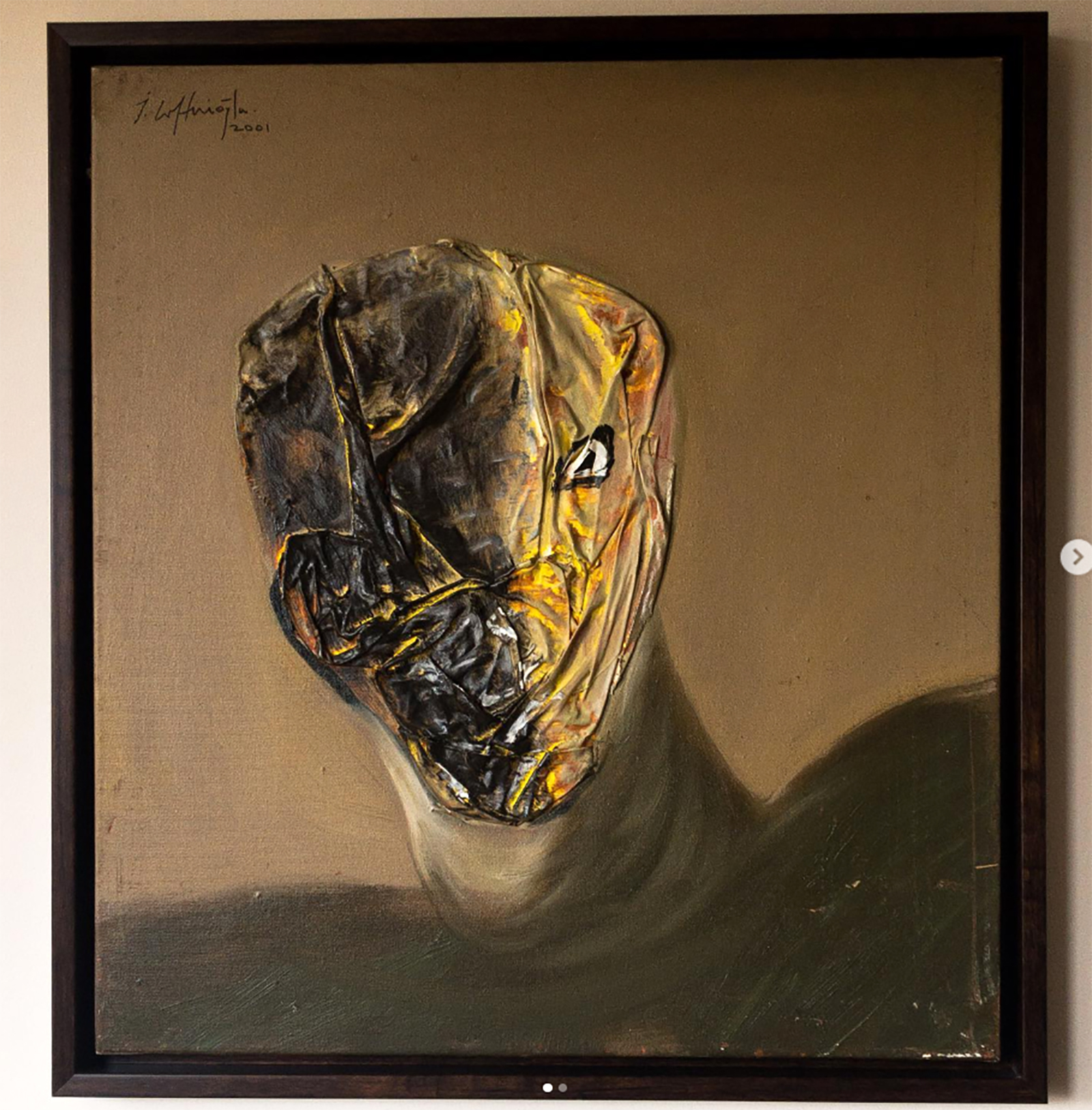
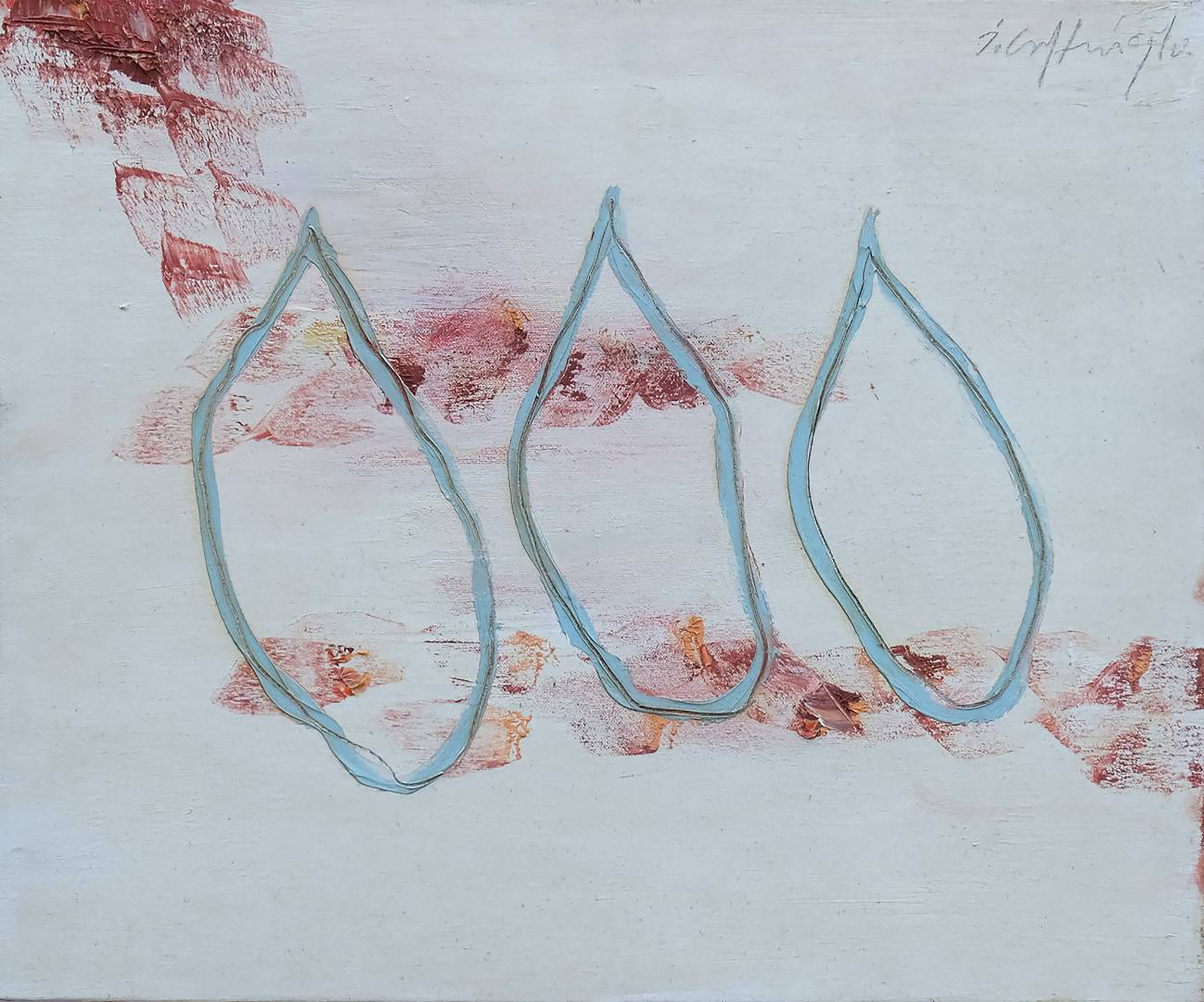
İbrahim Çiftçioğlu is one of the important artists who stands out in contemporary Turkish painting, especially with his figurative expression, social content, and original printmaking. Bringing together individual experience and social reality in his paintings, the artist also played an active role in the Turkish art scene as an educator, curator, and art writer.
His Life:
İbrahim Çiftçioğlu was born in Çorum in 1952. He completed his primary and secondary education there. He graduated from Çorum Primary Teacher Training School in 1970 and from Gazi Education Institute, Department of Painting and Crafts in 1973.
He began his professional life as a teacher under the Ministry of National Education. During this period, he held teaching and administrative positions in various schools.
To further his art education, he continued his studies and completed his studies at Marmara University Atatürk Faculty of Education in 1986. He later worked as a lecturer at the same institution and continued his academic duties until 1998. Throughout his professional life, he took an active role not only as an educator but also in art organizations. He held important responsibilities such as:
• Board membership, presidency, and regional representation at TÖB-DER
• Membership of the UNESCO AIAP National Committee
• Board and commission duties at the International Association of Plastic Arts
He also contributed to the art scene in the fields of publishing and curation. He prepared publications such as “Atelier,” “Daylight,” and Pentürk Hayırlı Fanzine. He created the Plastic Arts Education program for Private MEF Schools. He wrote the book “The Whole World on a Leaf” about the artist Veysel Günay. The artist also curated important organizations such as the Bursa Festival Contemporary Turkish Painting Exhibition,
The 75th Anniversary Gift – Turkish Plastic Arts Exhibition. Having participated in numerous national and international exhibitions since 1972, Çiftçioğlu has held 58 solo exhibitions throughout his artistic life. He spent the last years of his life in his own workshop in Datça.
Artistic Understanding and Style;
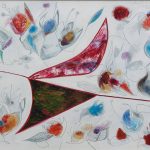
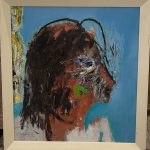
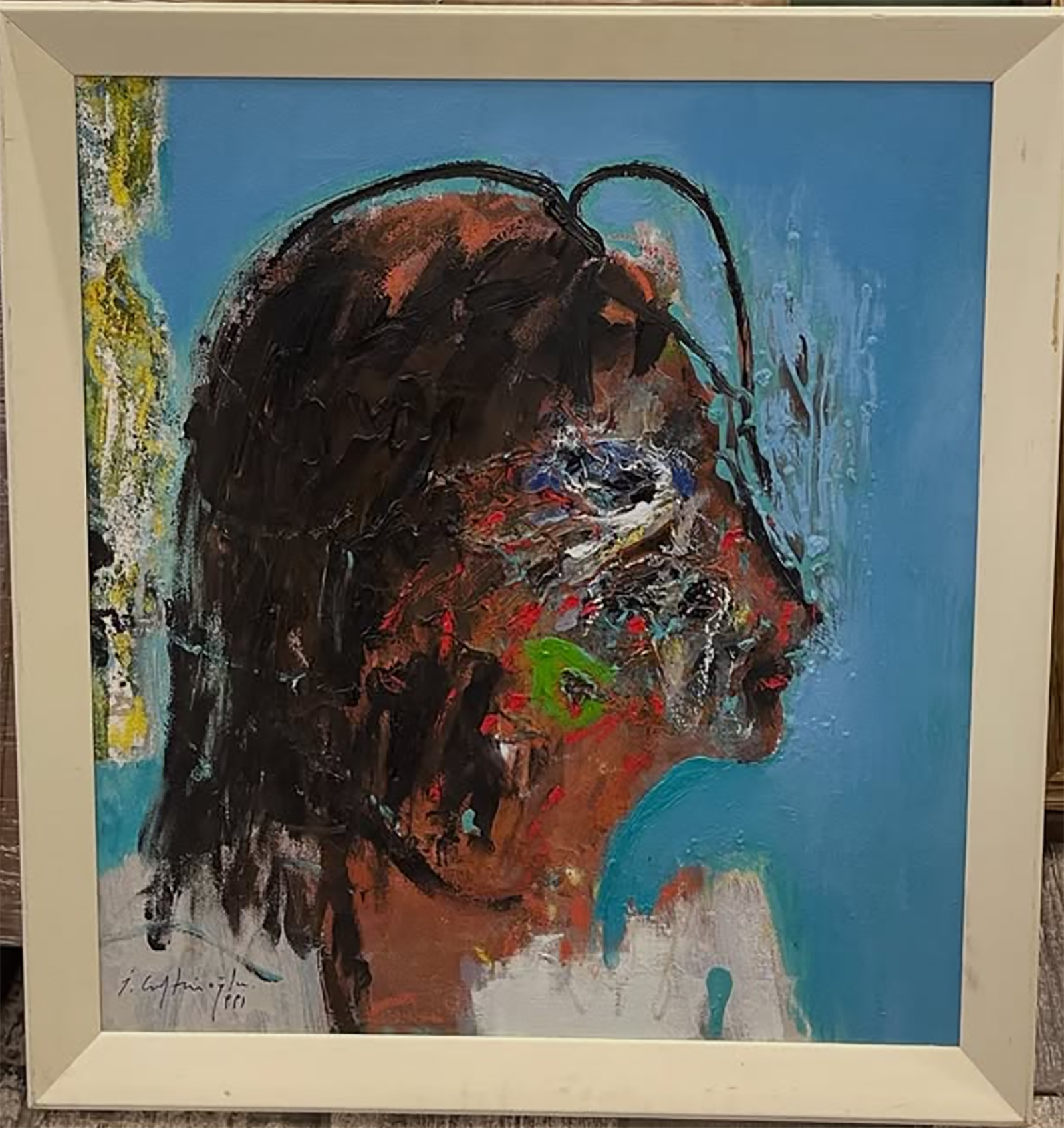
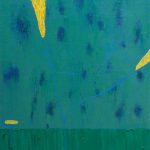
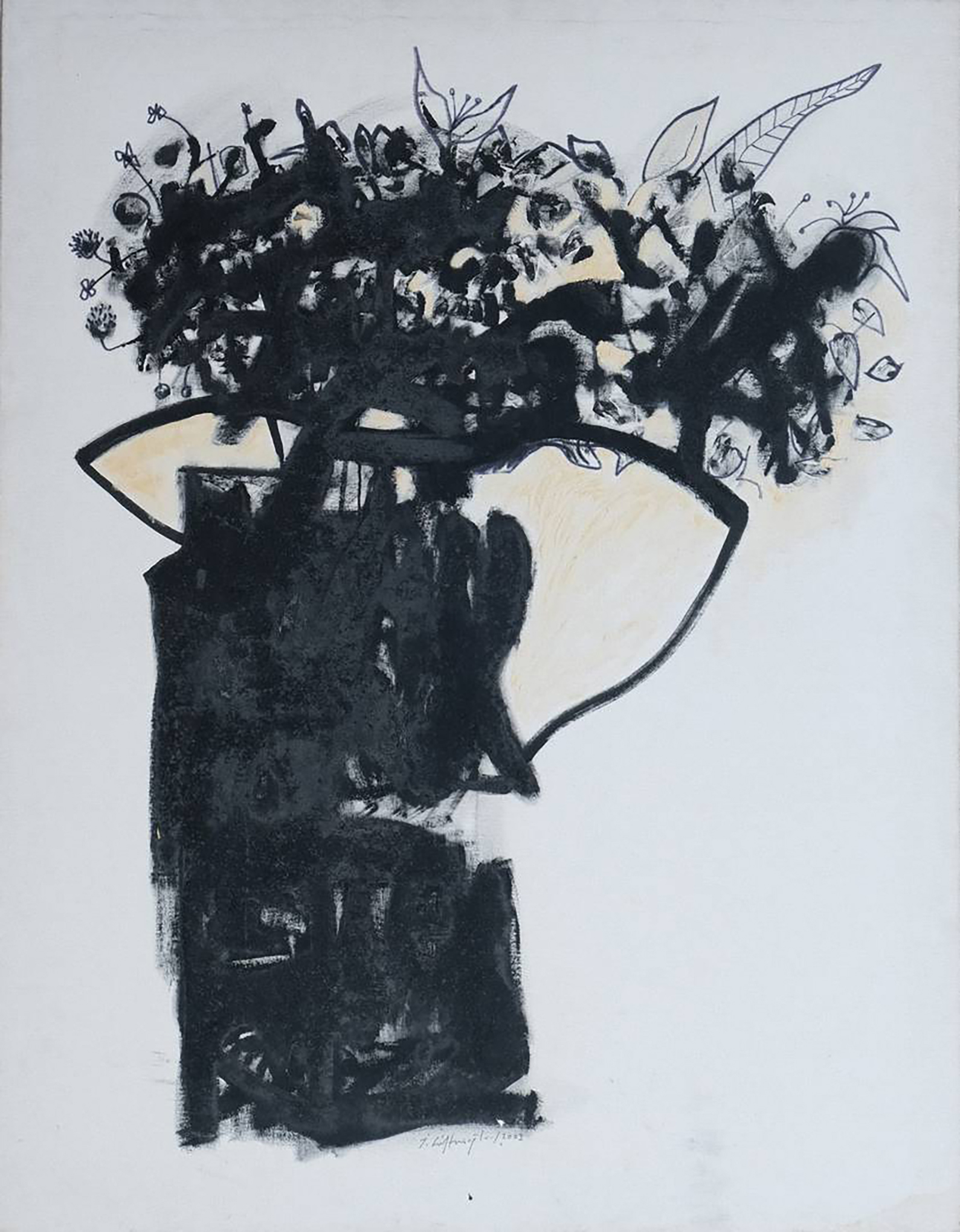
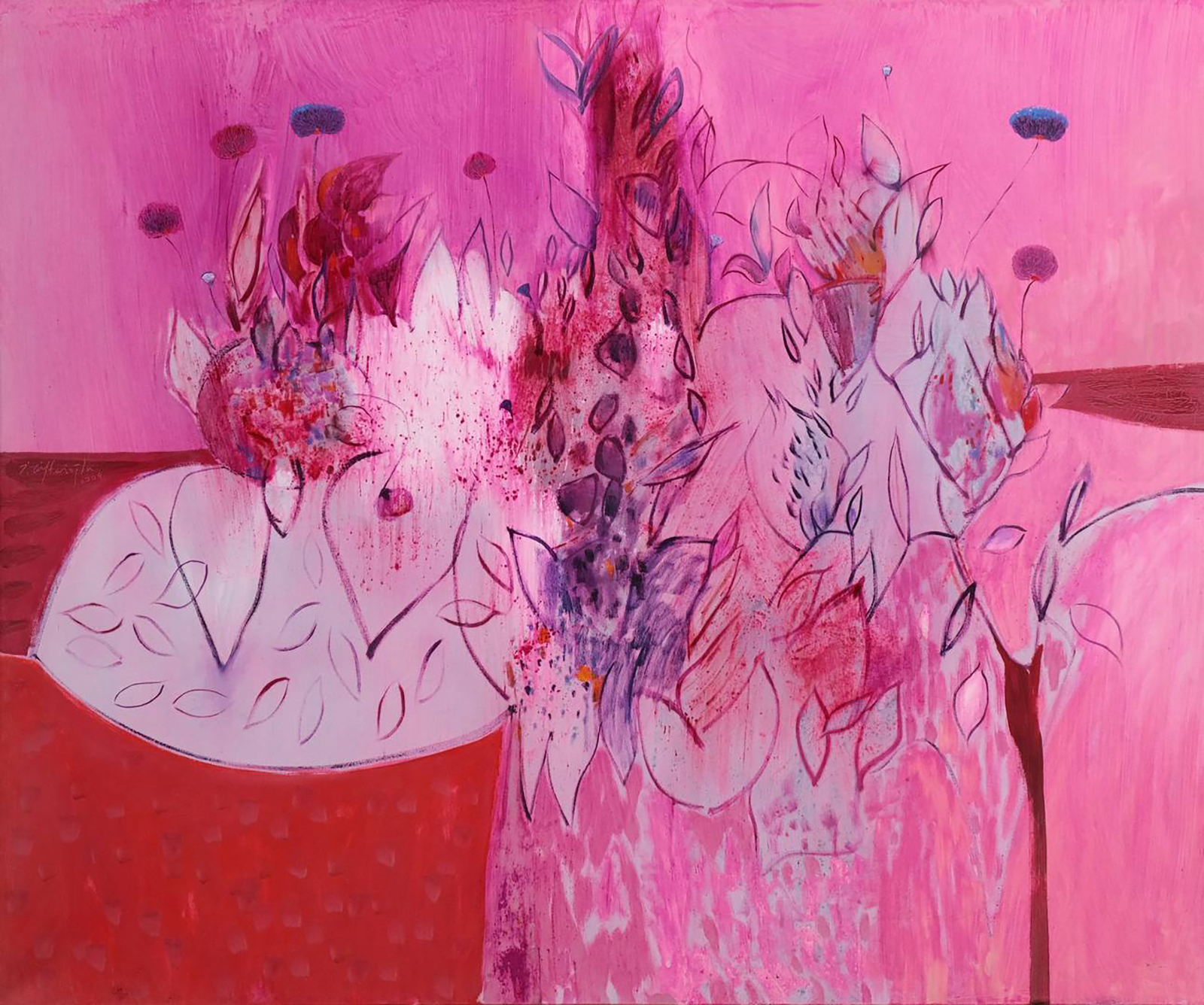
İbrahim Çiftçioğlu's art is based on an expressive figurative painting approach rooted in a strong intellectual foundation. The artist sees his painting as a production area directly nourished by his own life experiences. The artist expresses this approach with the following words:
“I think one aspect of my painting is autobiographical. I can say that they contain essences distilled from my life. My movement from the subjective becomes generalized; local, universal, and social contemporary experiences form the basic aspect of my painting.”
According to Çiftçioğlu, painting is not only an individual expression; it is also a field of social consciousness. Therefore, in his art:
• Individual life and social reality are balanced
• Figures acquire a symbolic and expressive language
• Painting becomes a structure carrying thought and sensitivity
The artist explains the process of creating his paintings as follows:
“My paintings are results that have passed through the alembic of consciousness and heart and transformed into images. Each element assumes a function that carries my thought and sensitivity.”
Artistic Perspective;
For İbrahim Çiftçioğlu, art is not only an aesthetic production but also a way of life and action. The following fundamental ideas stand out in the artist's approach:
• The artist is responsible to society and the era
• Art is a tool for understanding humanity and society
• Production is an intellectual and emotional process
The artist clearly expresses this understanding with the following words:
“For me, art is a way of understanding and reshaping life and society. Art is a form of action for me.”
He also expresses his expectation regarding the impact of art as follows:
“I want my paintings to leave a silent, yet captivating and compelling effect.”
This approach forms the basis of the expressive, symbolic, and sometimes protest-oriented attitude seen in his art.
Themes;
The main themes that stand out in Çiftçioğlu's works are:
• Social struggle and resistance
• Individual and collective memory
• Human and society relationship
• Urban life and alienation
• Emotional tensions (sadness, peace, anxiety)
The artist depicts not only a situation in his works;
“It aims to reflect an attitude, a thought, a problem, a protest.”
Technical and Artistic Production;
İbrahim Çiftçioğlu is a prolific artist who uses different techniques together.
His main techniques are:
• Oil painting
• Acrylic
• Mixed media
• Screen printing
• Engraving and original printmaking
His productions, especially in the field of original printmaking, reveal the artist's technical diversity and research-oriented approach.
Exhibitions;
İbrahim Çiftçioğlu has participated in numerous national and international exhibitions since 1972 and has held 58 solo exhibitions. Selections from Solo Exhibitions
• 1985 – Turkuvaz Art Gallery (Ankara)
• 1985 – Vakko Art Gallery (Istanbul)
• 1987 – Vakko Art Gallery (Izmir)
• 1988 – Mine Art Gallery (Istanbul)
• 1989 – Galeri Sanat Yapım (Ankara)
• 1990 – Gorbon Art Gallery (Istanbul)
• 1991 – Halkbank Art Gallery (Ankara)
• 1992 – Kaleiçi Art House (Antalya)
• 1994 – Falez Art Gallery (Antalya)
In addition, he has participated in numerous group exhibitions, biennials and international art events.
Awards;
The artist's significant awards:
• 1983 – Vakko Painting Competition Award
• 1986 – DYO Painting Competition Award
• 1991 – State Painting and Sculpture Exhibition Award
• 2002 – Troya Culture and Arts Awards Plastic Arts Award
Collections in which his works are located; The artist's works are included in many important collections:
• Ministry of Culture and Tourism
• Türkiye İş Bankası
• Yapı Kredi Bankası
• Akbank
• Halkbank
• Marmara University
• Anadolu University
• Uludağ University
His Position in Turkish Painting History;
İbrahim Çiftçioğlu holds an important place among artists who:
• Combine figurative expression with social content
• Use art as a field of intellectual and political expression
• Produce original prints
• Are influential with their educator and organizer identity
General Assessment;
İbrahim Çiftçioğlu's art creates a powerful field of expression where individual life merges with social reality. The artist views his painting not merely as a form of expression, but also as a tool for questioning, narrating, and transforming. In his own words:
“My art is the erasing and rewriting of my life or your life. I belong to tomorrow!”
This approach is the fundamental element that makes his art meaningful and lasting, both individually and universally.
-
- İbrahim Çiftçioğlu
-
- İbrahim Çiftçioğlu

-
- İbrahim Çiftçioğlu

-
- İbrahim Çiftçioğlu

-
- İbrahim Çiftçioğlu
-

- İbrahim Çiftçioğlu

-

- İbrahim Çiftçioğlu

-
- İbrahim Çiftçioğlu

-

- İbrahim Çiftçioğlu

-

- İbrahim Çiftçioğlu
-
- İbrahim Çiftçioğlu

-

- İbrahim Çiftçioğlu

-

- İbrahim Çiftçioğlu

-
- İbrahim Çiftçioğlu

-

- İbrahim Çiftçioğlu

-

- İbrahim Çiftçioğlu

-
- İbrahim Çiftçioğlu

-

- İbrahim Çiftçioğlu
-
- İbrahim Çiftçioğlu

-

- İbrahim Çiftçioğlu

-

- İbrahim Çiftçioğlu

-

- İbrahim Çiftçioğlu

-

- İbrahim Çiftçioğlu

-
- İbrahim Çiftçioğlu

-
- İbrahim Çiftçioğlu
-

- İbrahim Çiftçioğlu
