
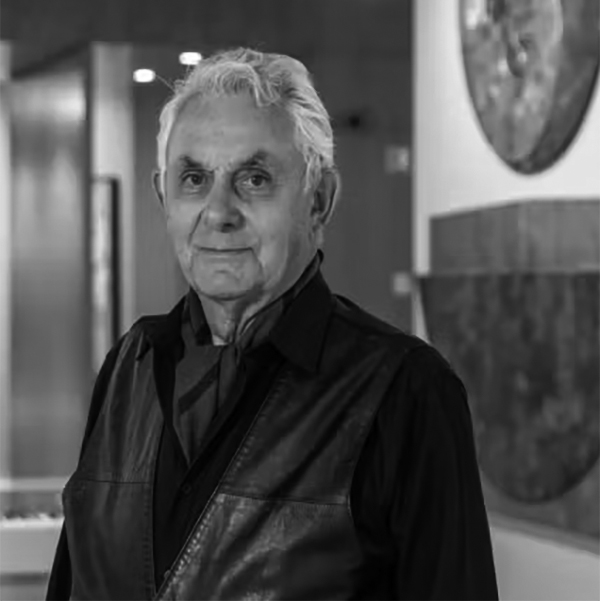
Prof. Dr. Hayati Misman (1945, Konya – )
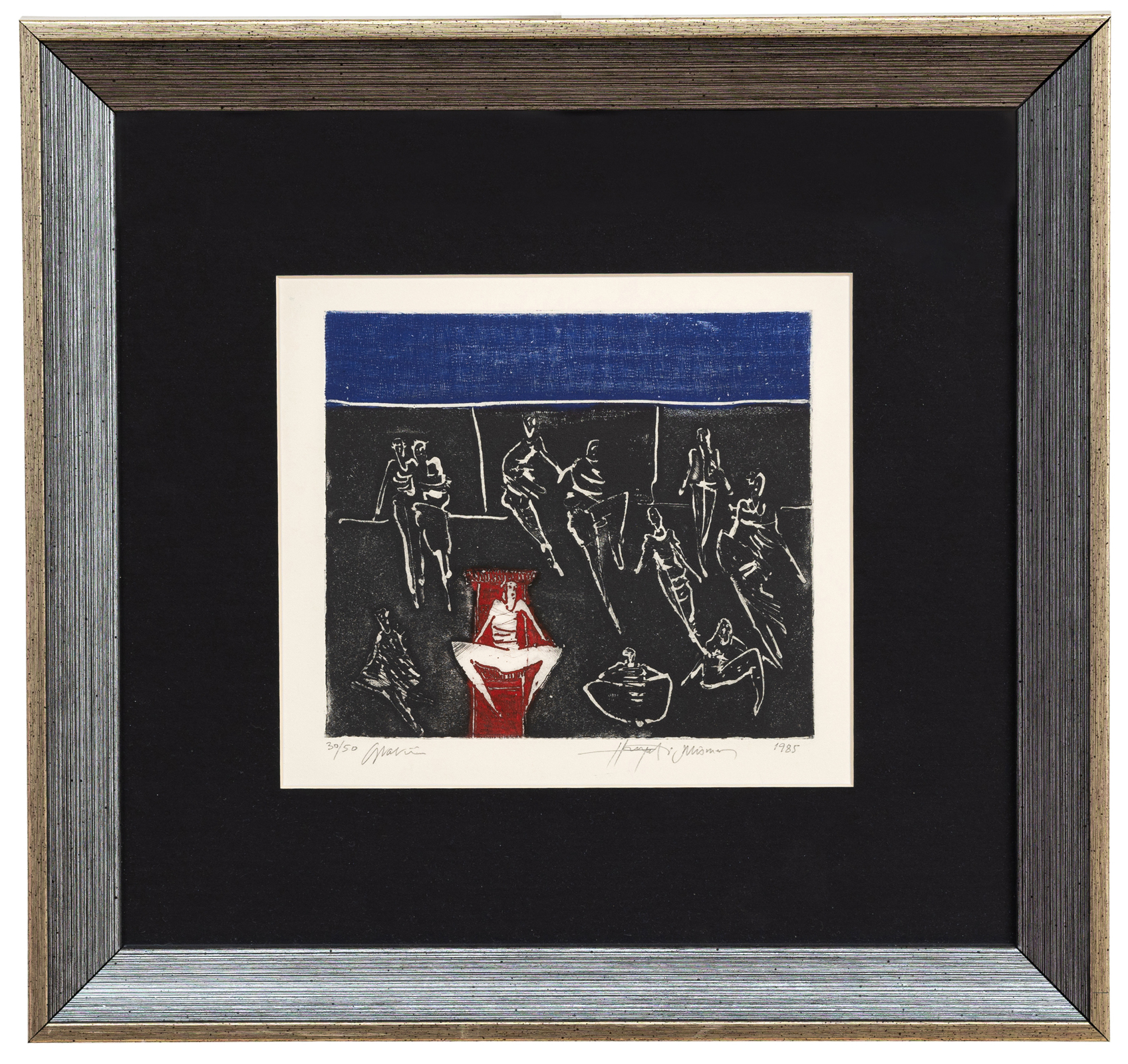
Prof. Dr. Hayati Misman holds a significant position as one of the leading figures in contemporary Turkish painting and printmaking, both as an artist and an academic. Born in Konya in 1945, Misman has developed a unique expressive language in his nearly sixty-year artistic career, encompassing engraving, printmaking, drawing, oil painting, and metalwork. Continuing his intellectual production alongside his academic career, the artist is among those who contributed to the institutionalization of the graphic and printmaking fields in Turkey.
Life and Academic Career:
Hayati Misman received his education at the Konya Akşehir Teacher Training School between 1961 and 1964. Between 1965 and 1968, he received art education at the Ankara Gazi Education Institute, Department of Painting and Crafts.
Between 1970 and 1975, he specialized in graphic design and printmaking techniques at the Kassel State Academy of Fine Arts in Germany with a scholarship from the Ministry of National Education. This period is a critical process in which his understanding of art deepened technically and aesthetically.
After returning to Turkey, he began teaching at Gazi Education Institute. During his academic advancement, he received:
• 1984: Proficiency in Art
• 1987: Associate Professorship
• 2001: Professorship.
Between 1987 and 2001, he was a faculty member at Bilkent University Faculty of Fine Arts, Design and Architecture. Between 2001 and 2005, he served as a Professor at Hacettepe University Faculty of Fine Arts and retired in 2005.
Throughout his academic life, he trained numerous students and contributed to the development of graphic and printmaking workshops.
Artistic Perspective;
1. Line and Engraving
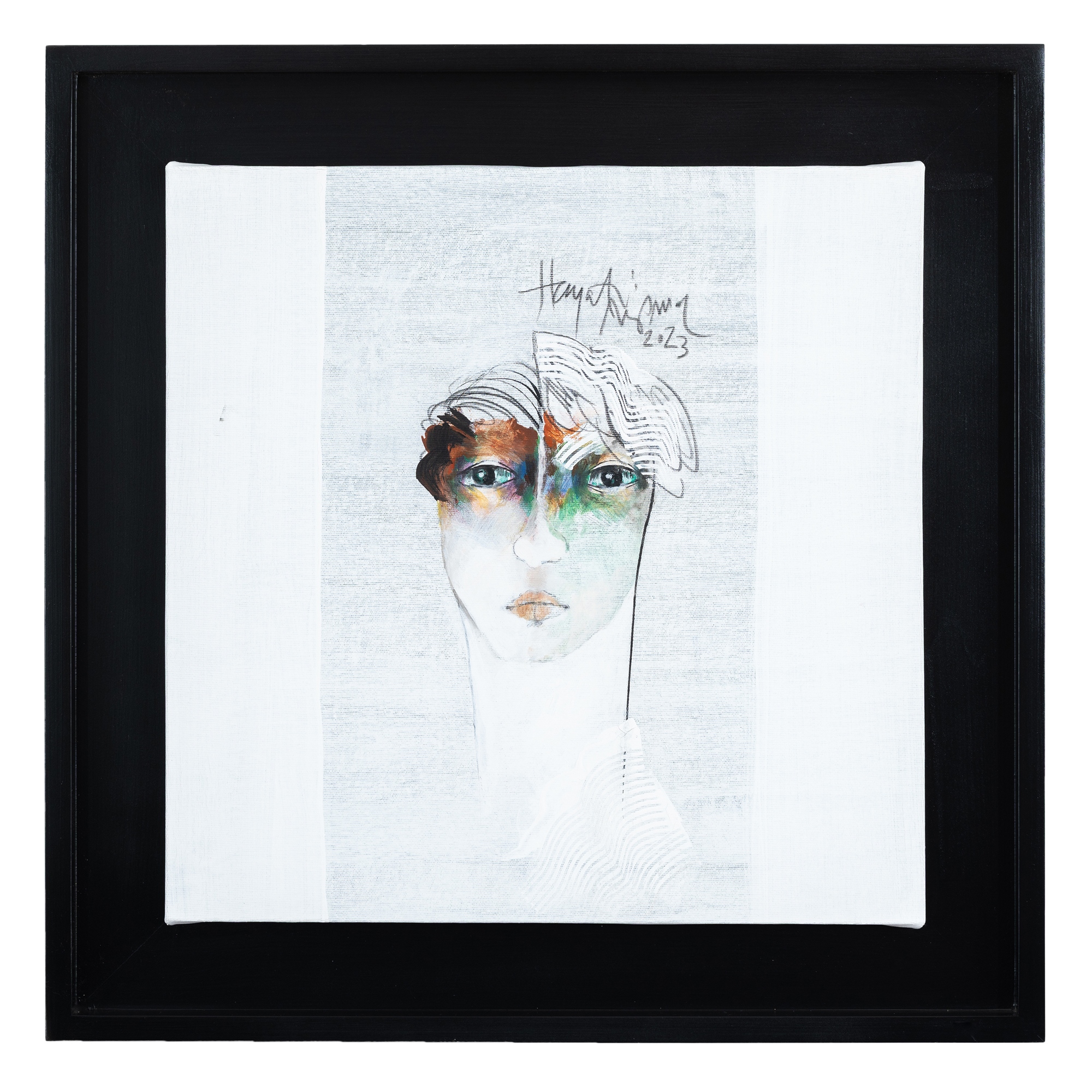
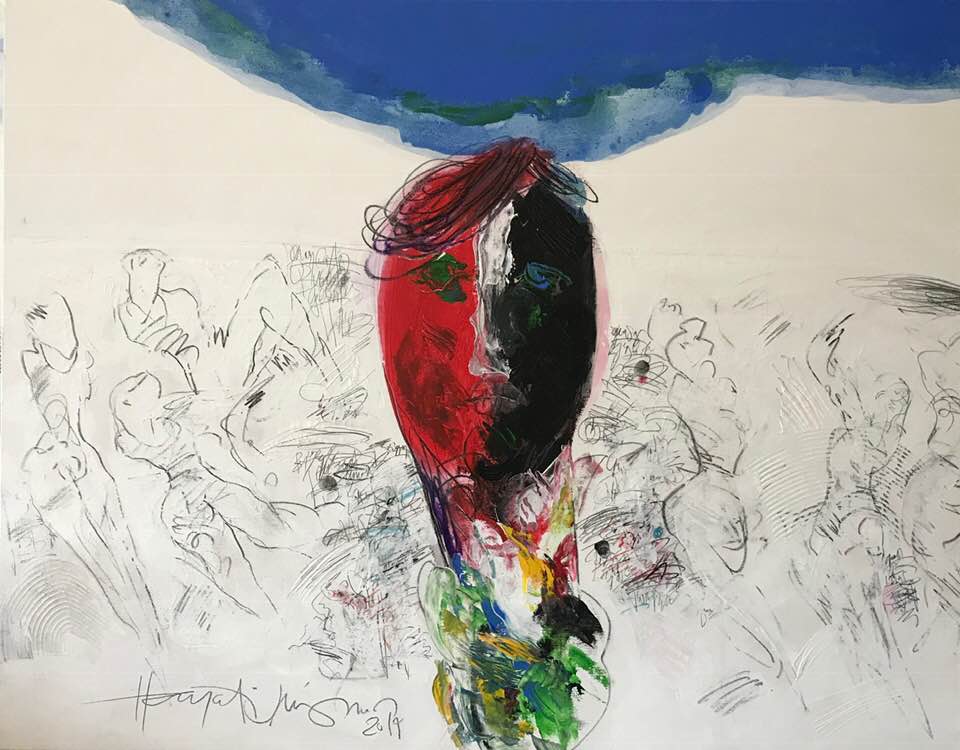
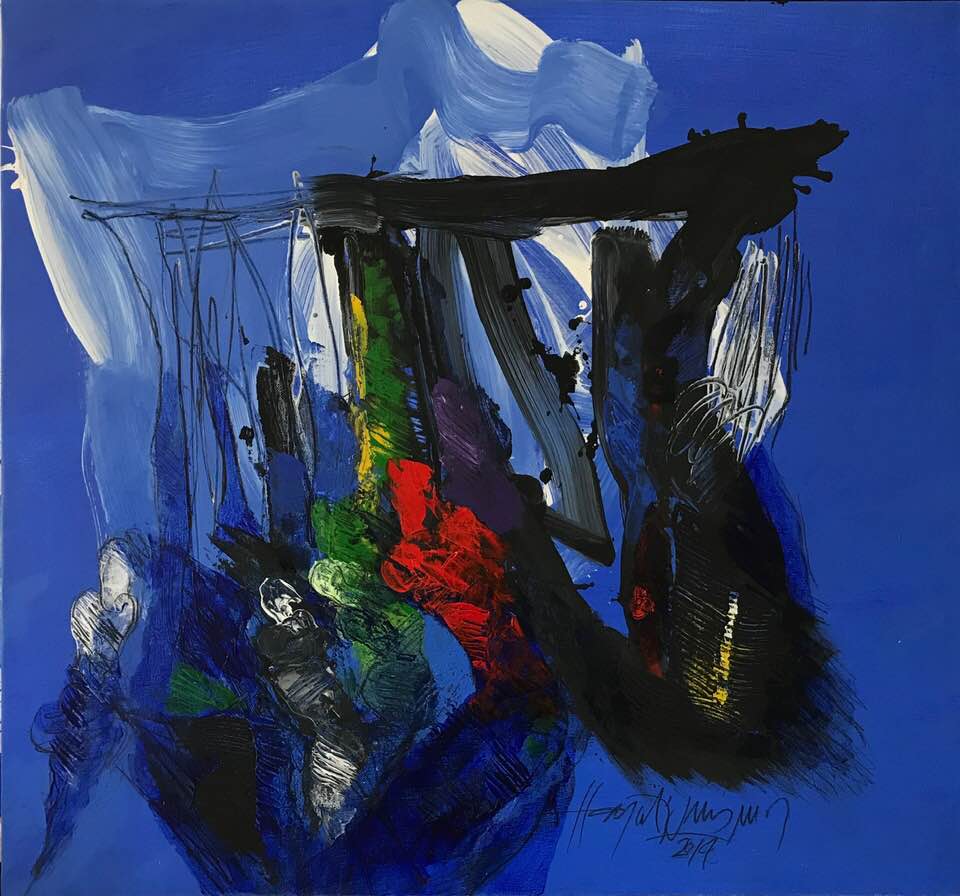
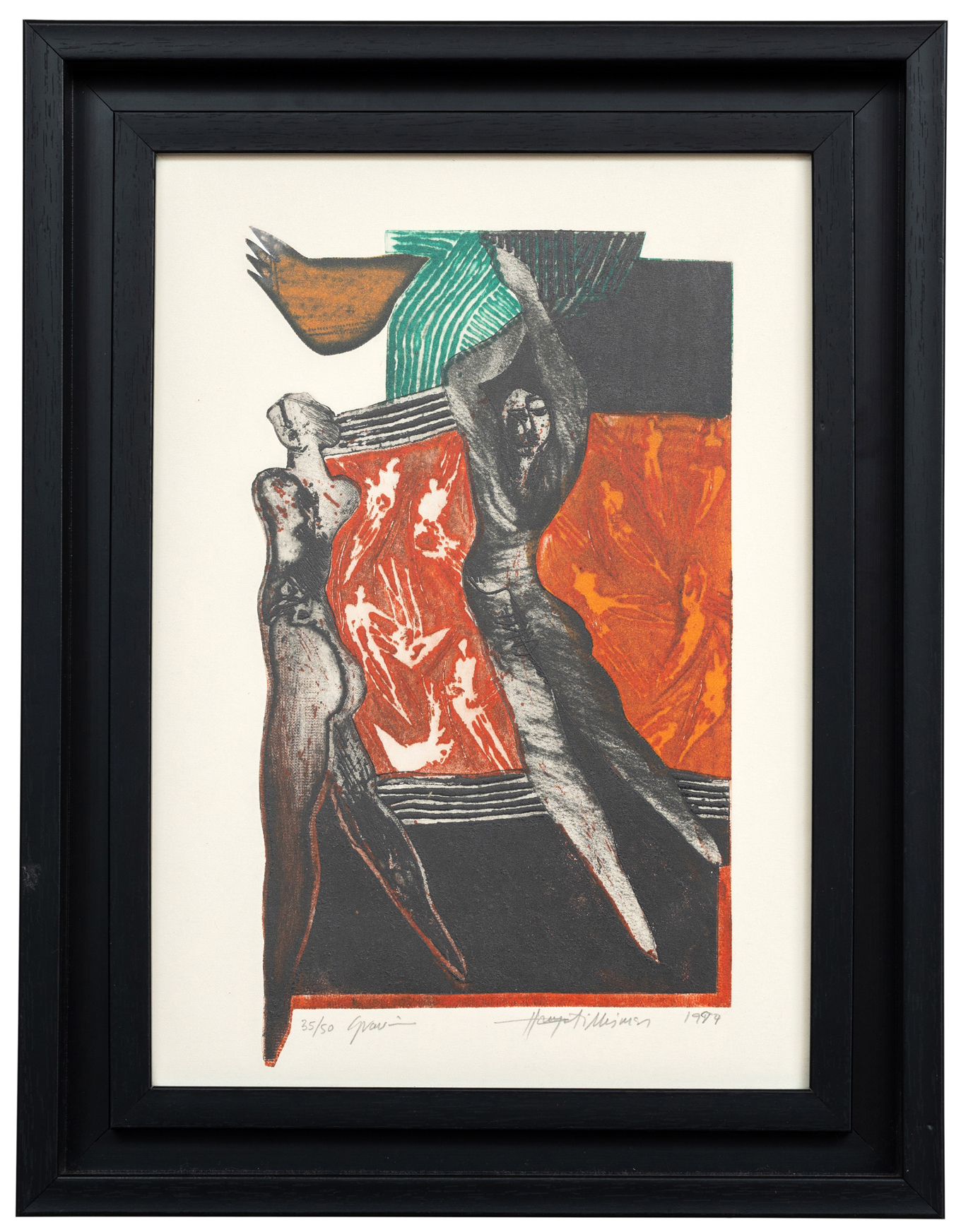
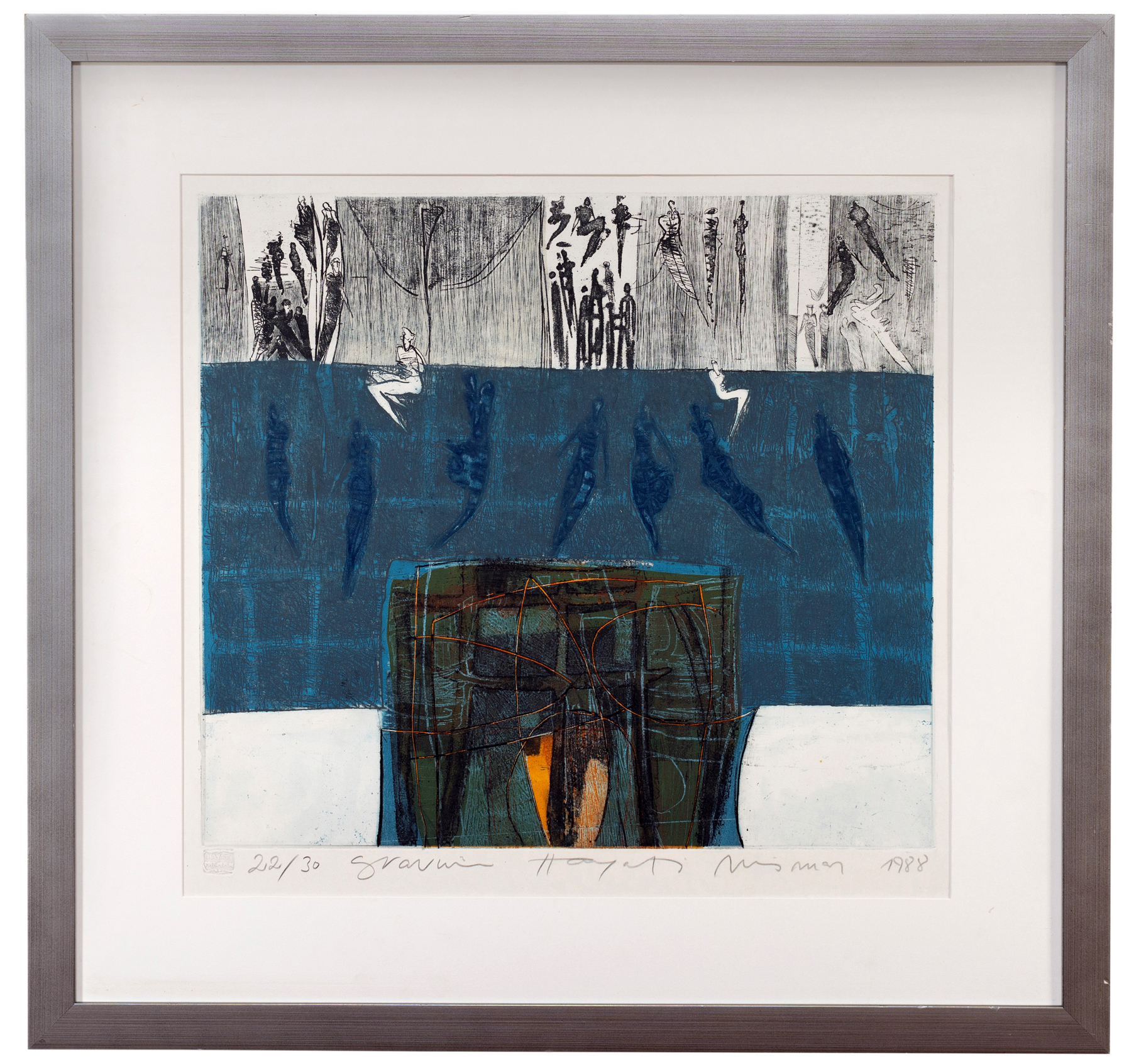
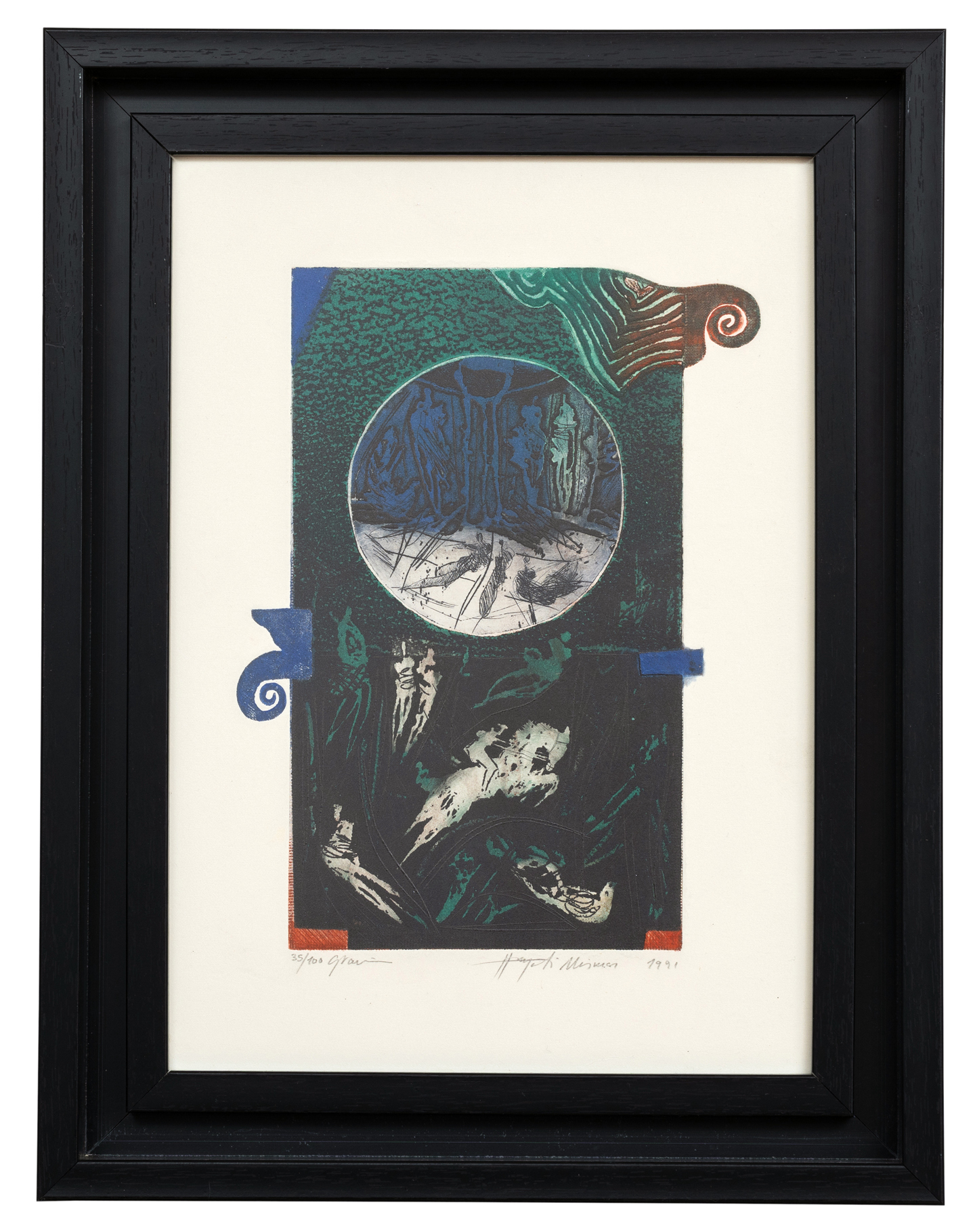
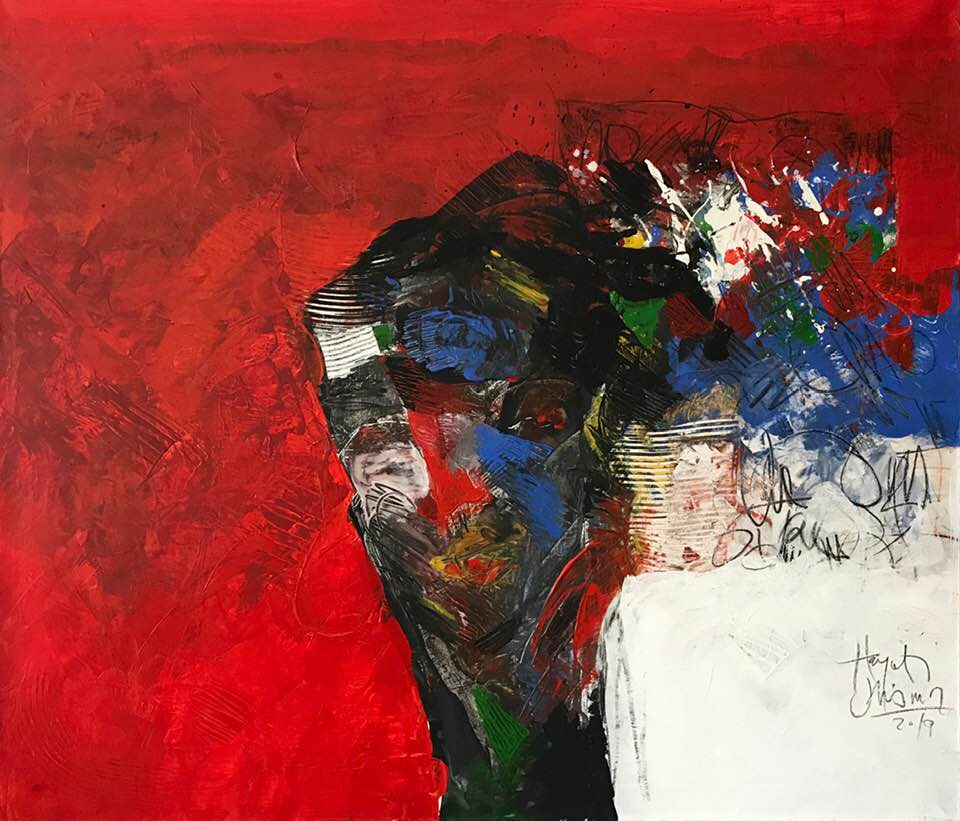
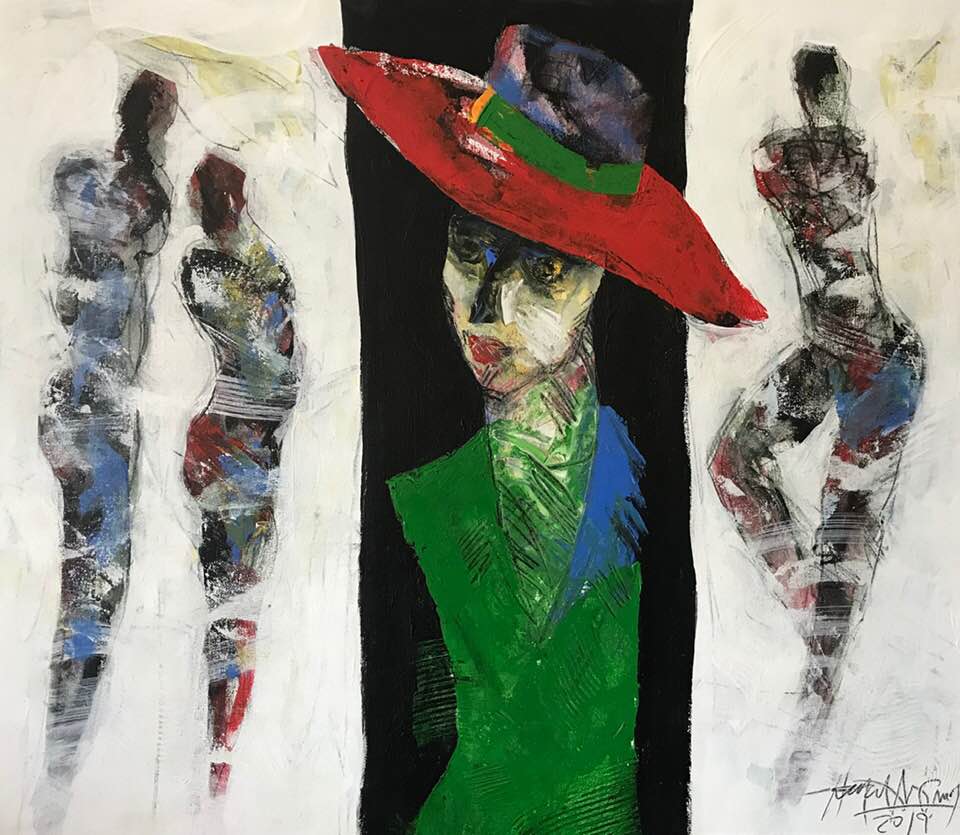
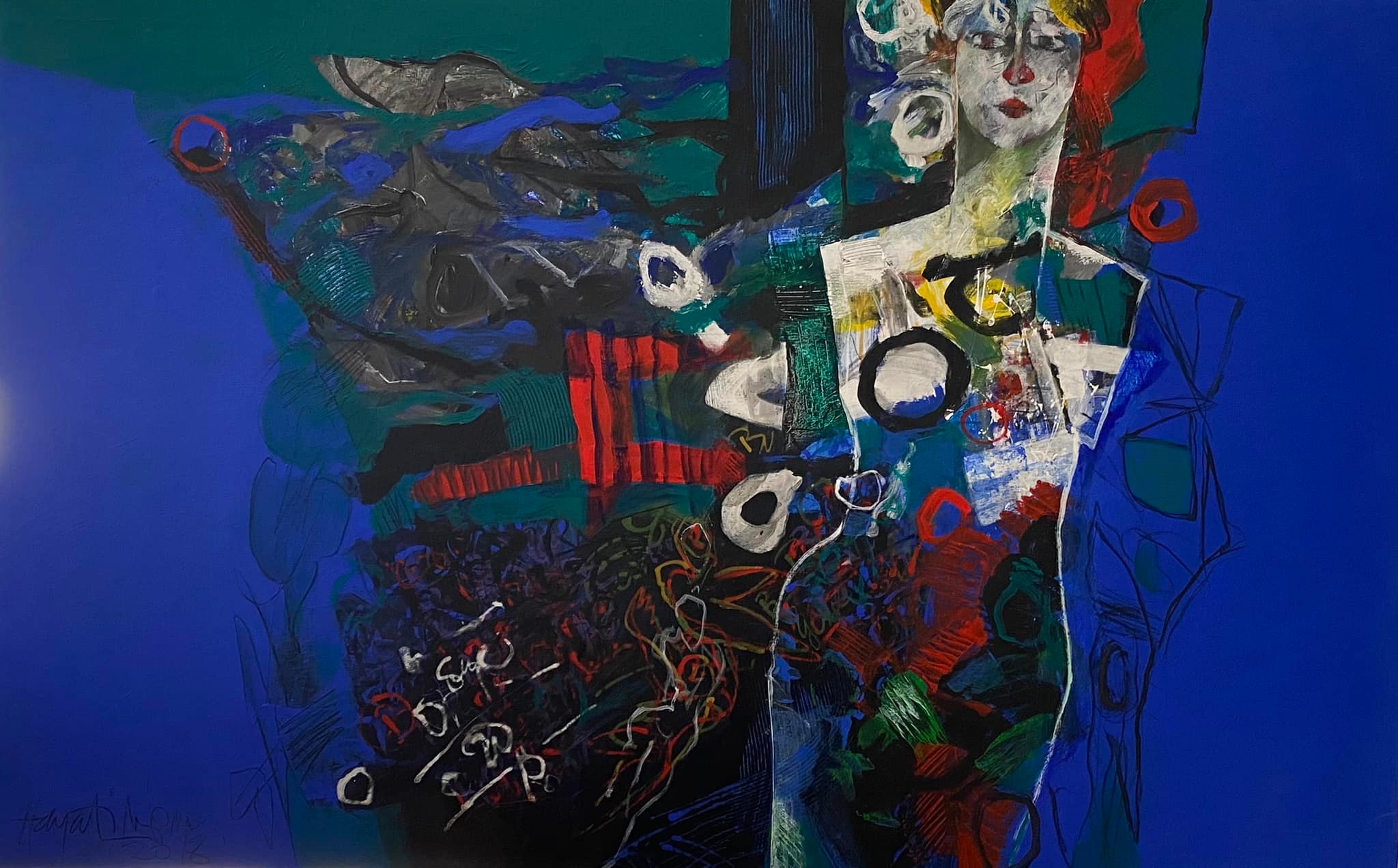
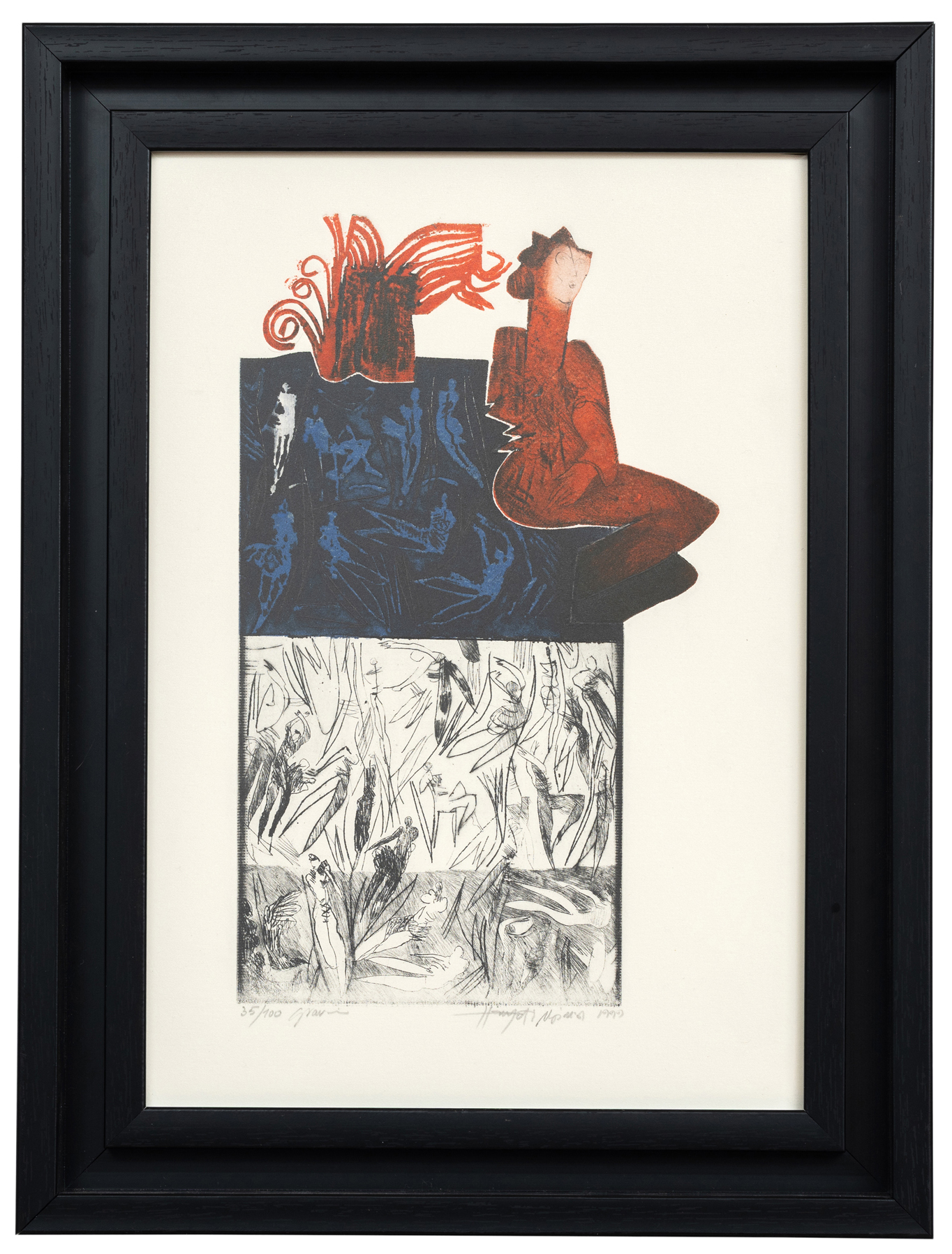
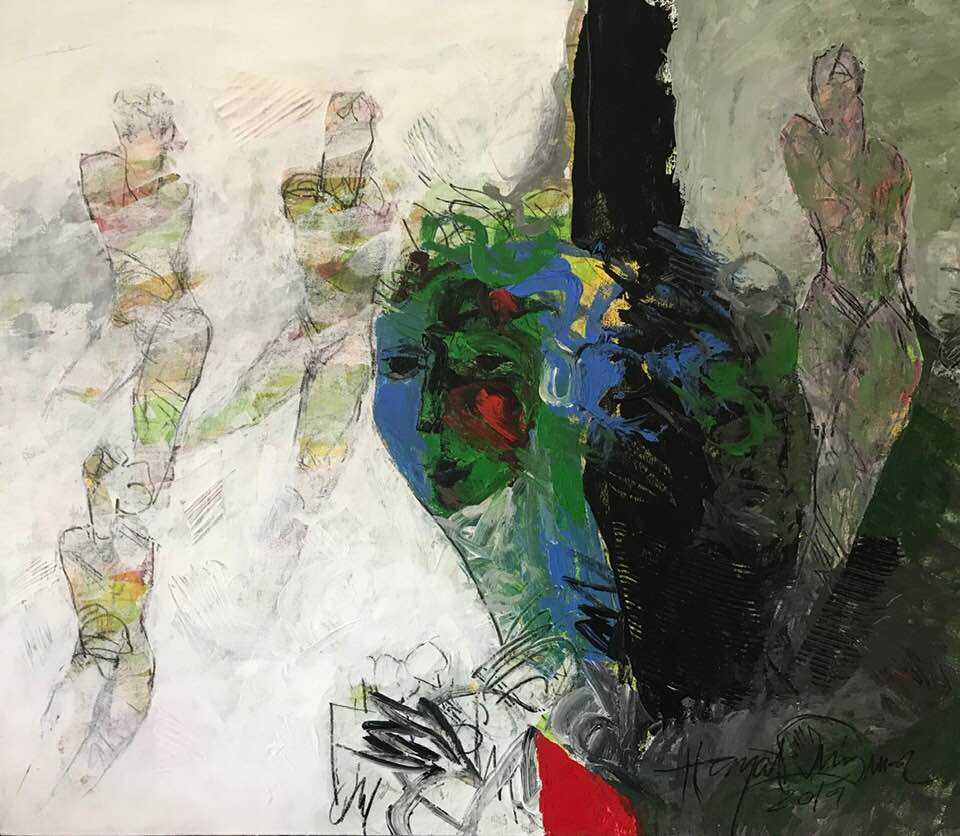
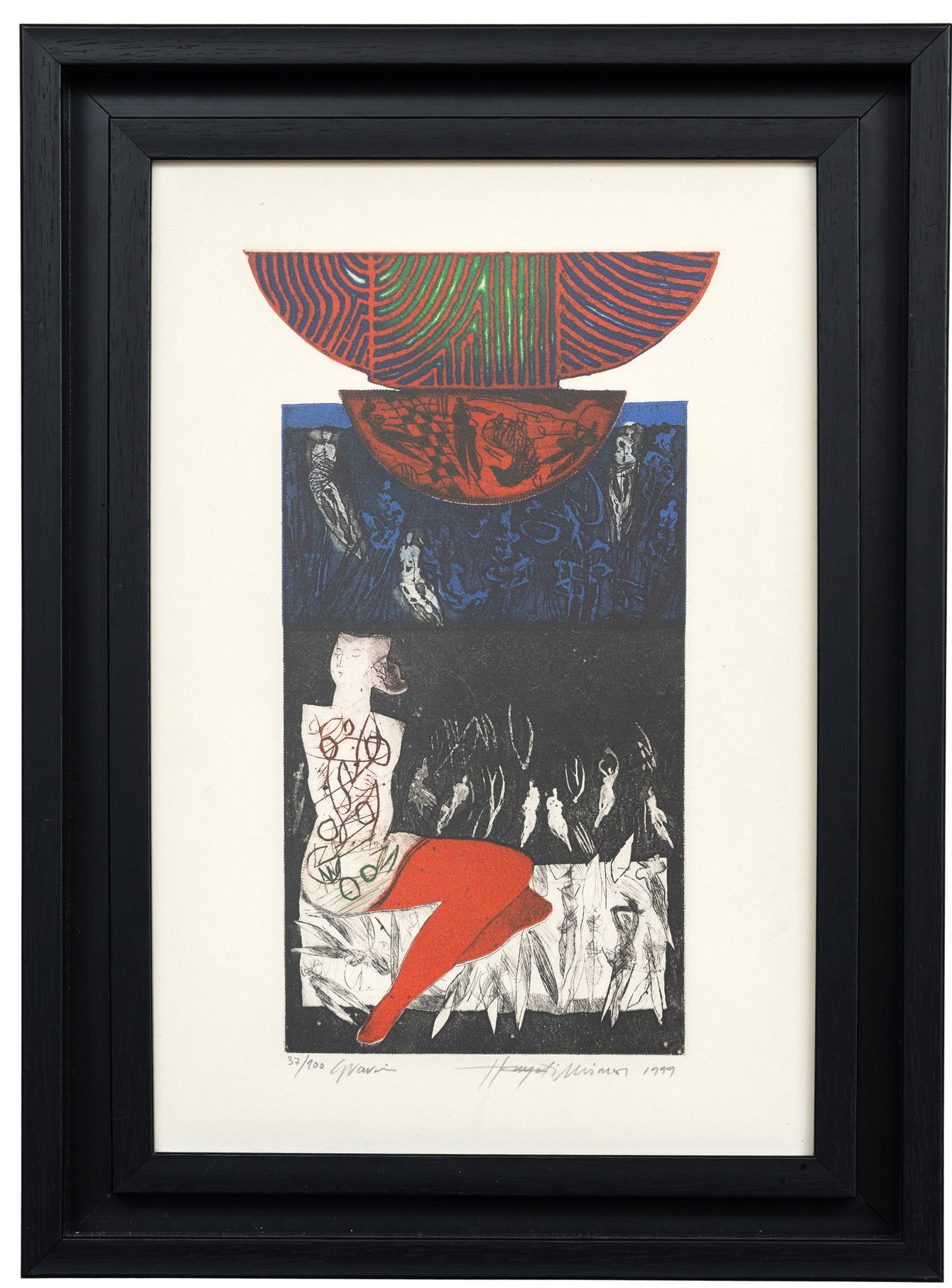
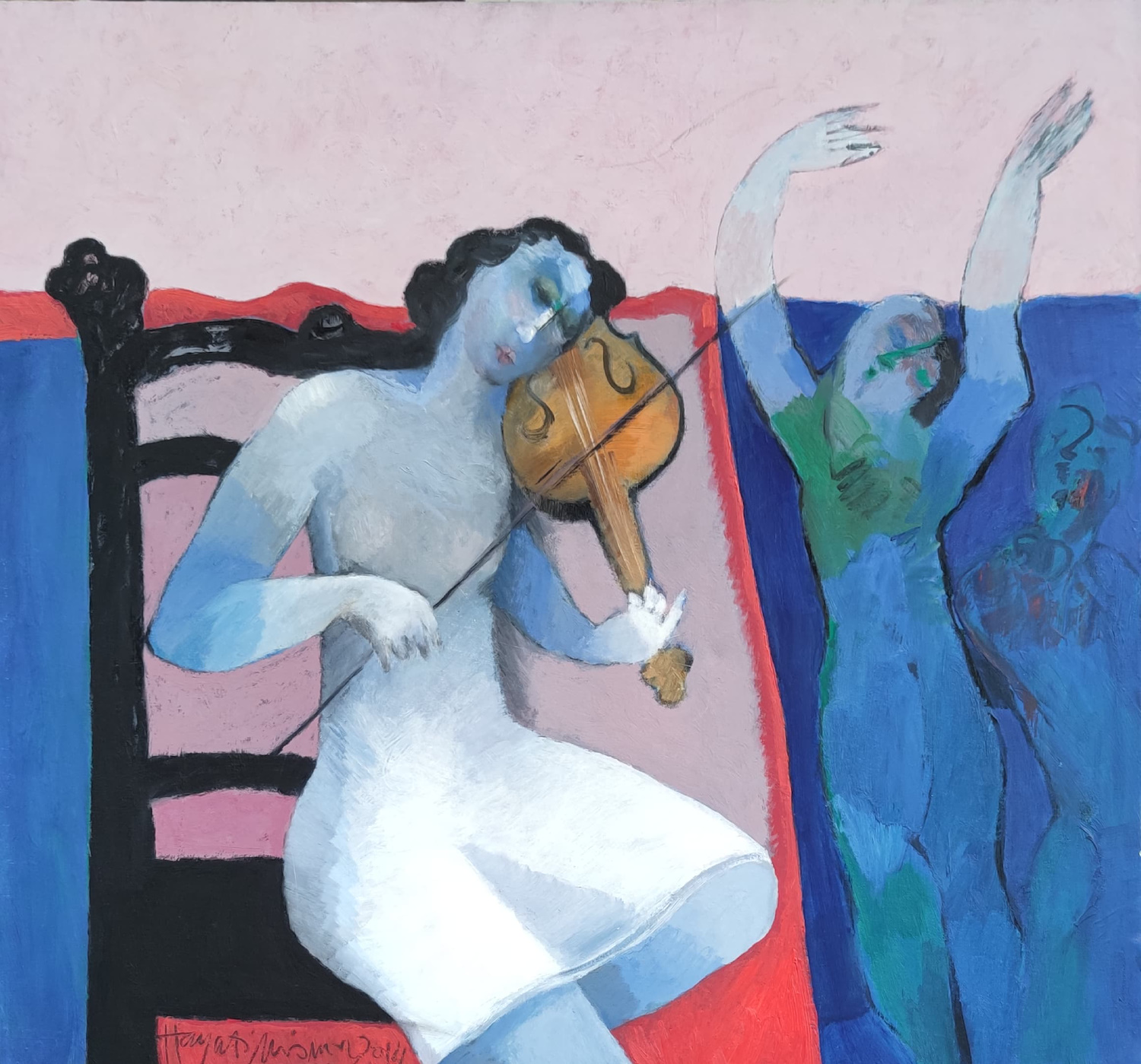
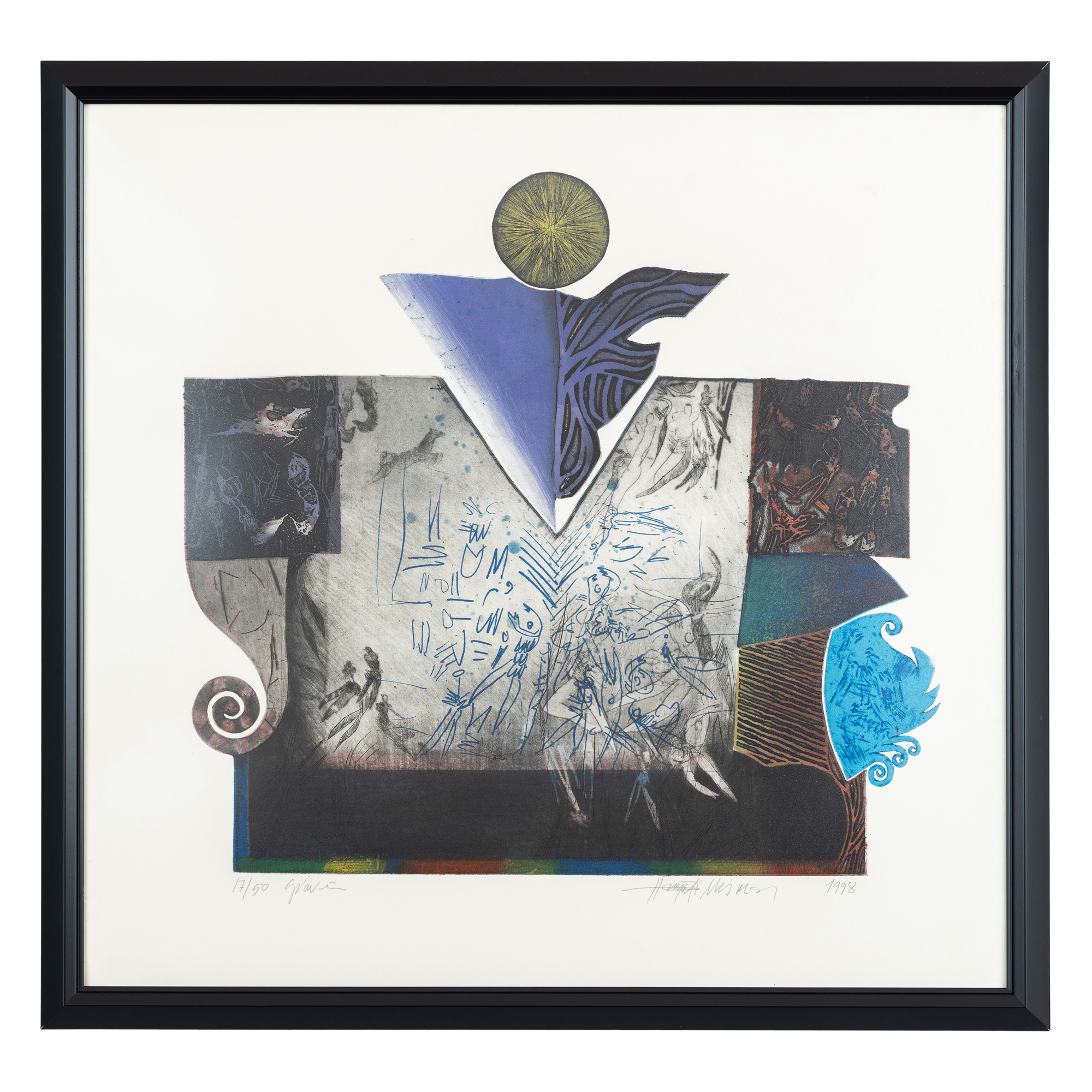
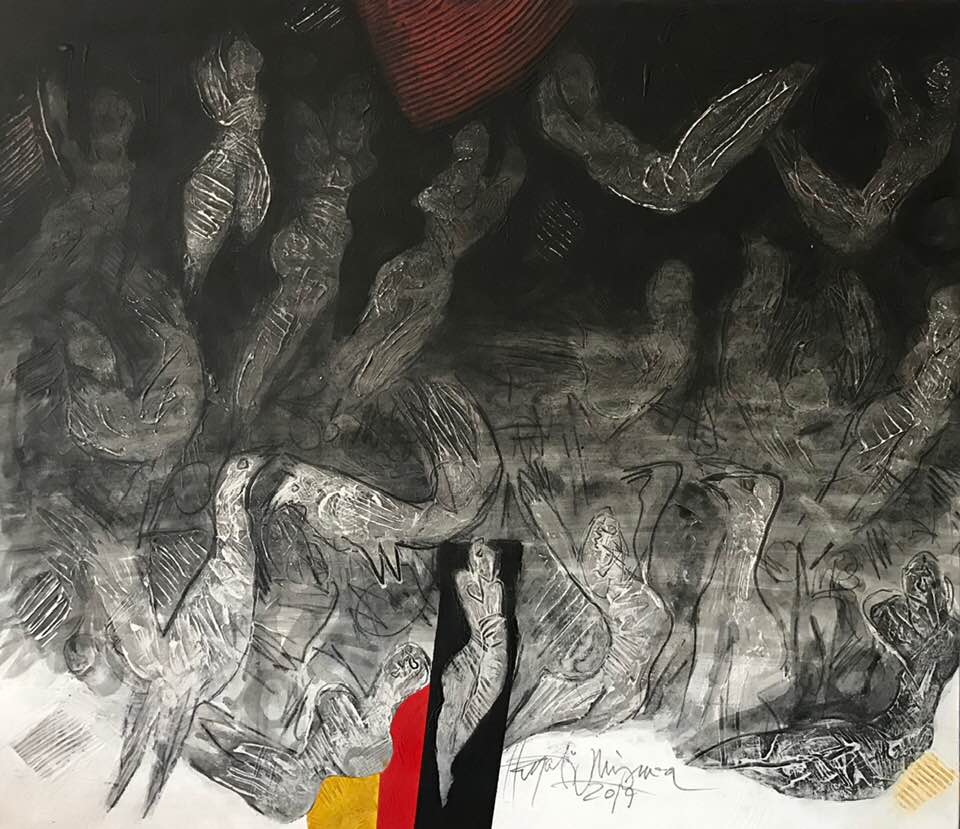
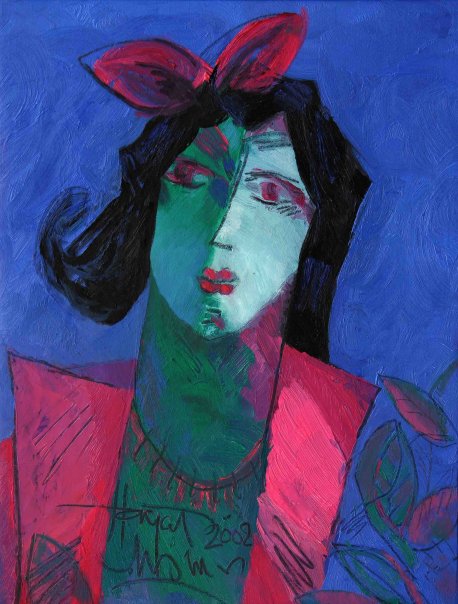
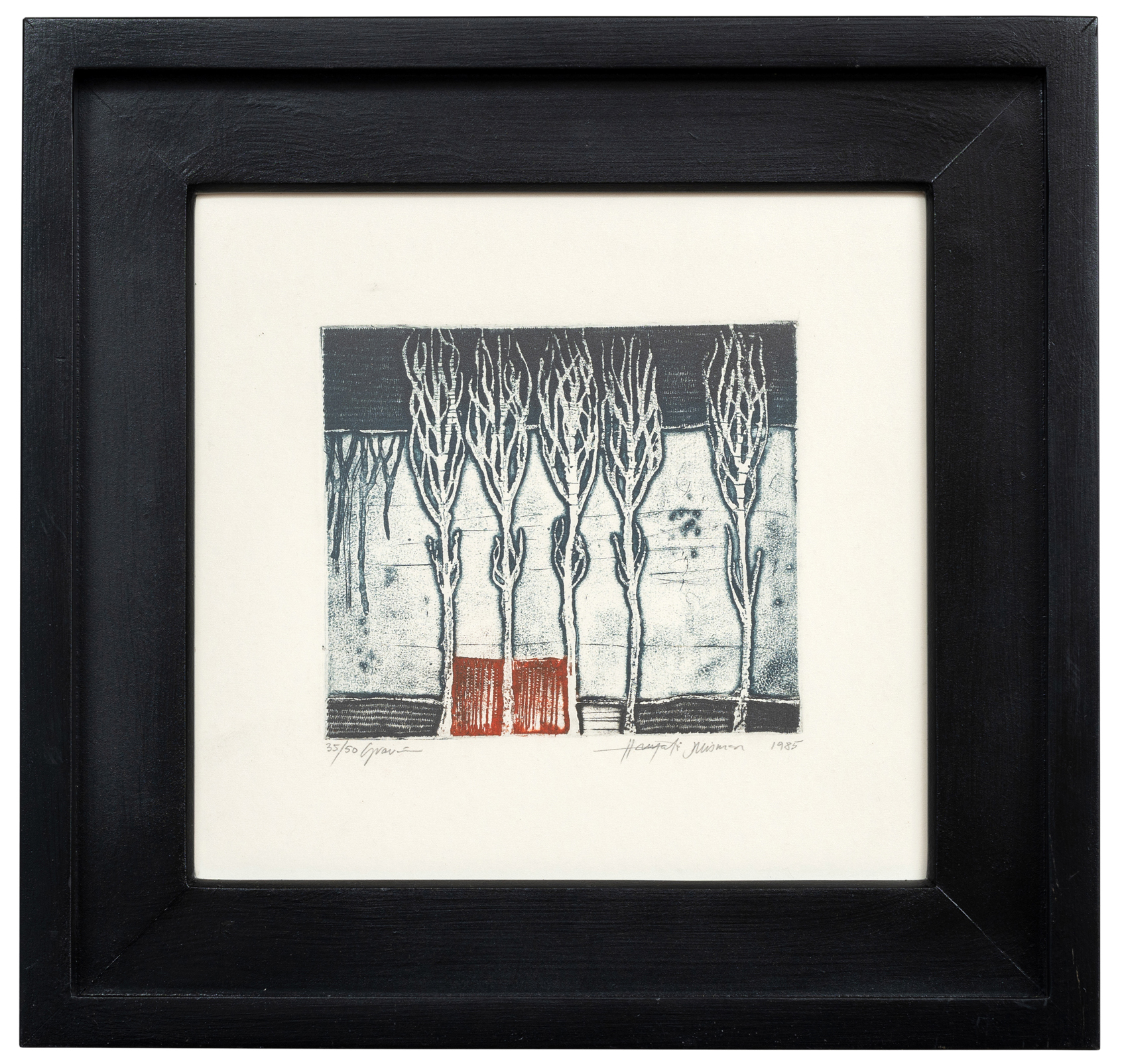
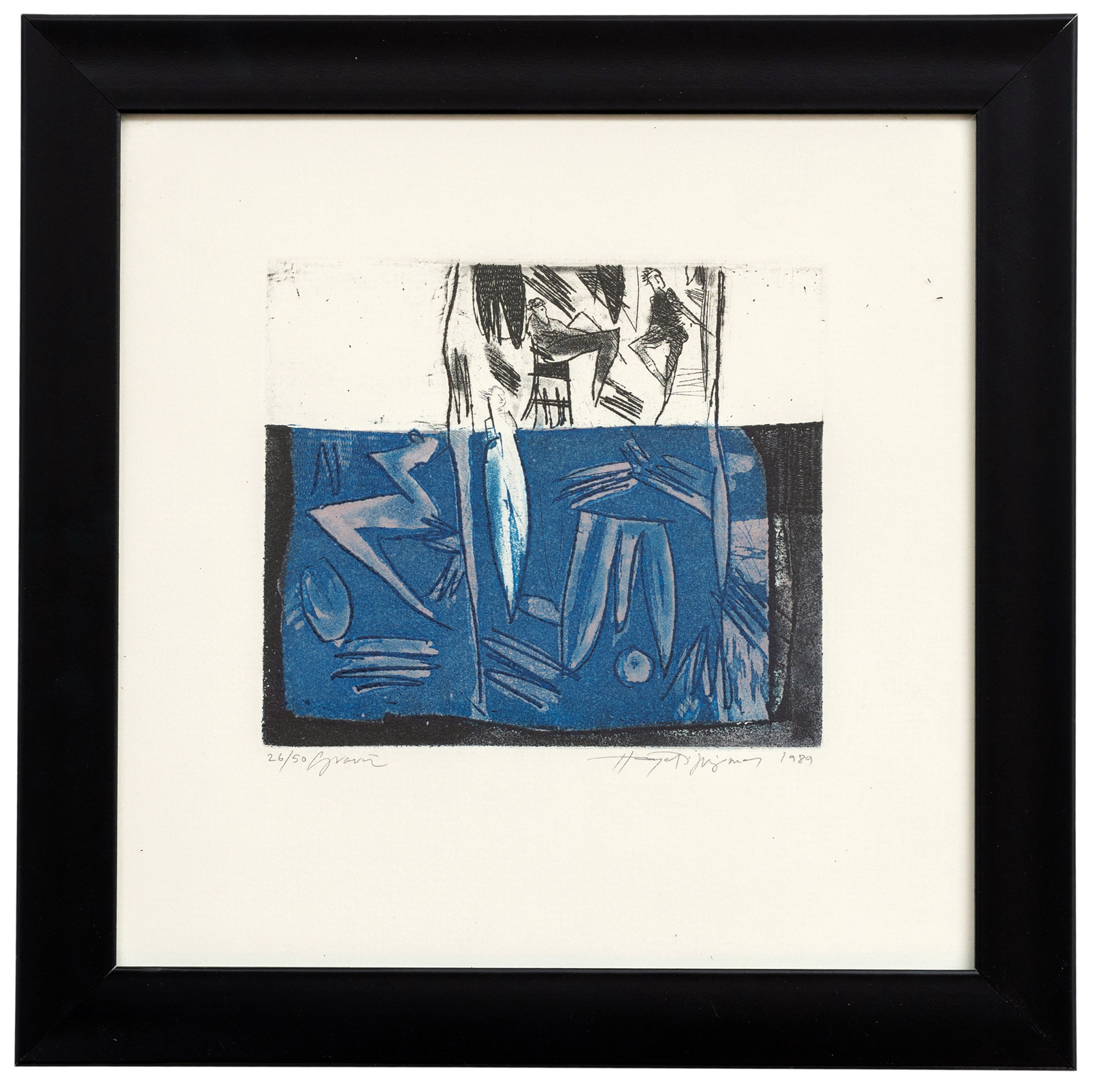
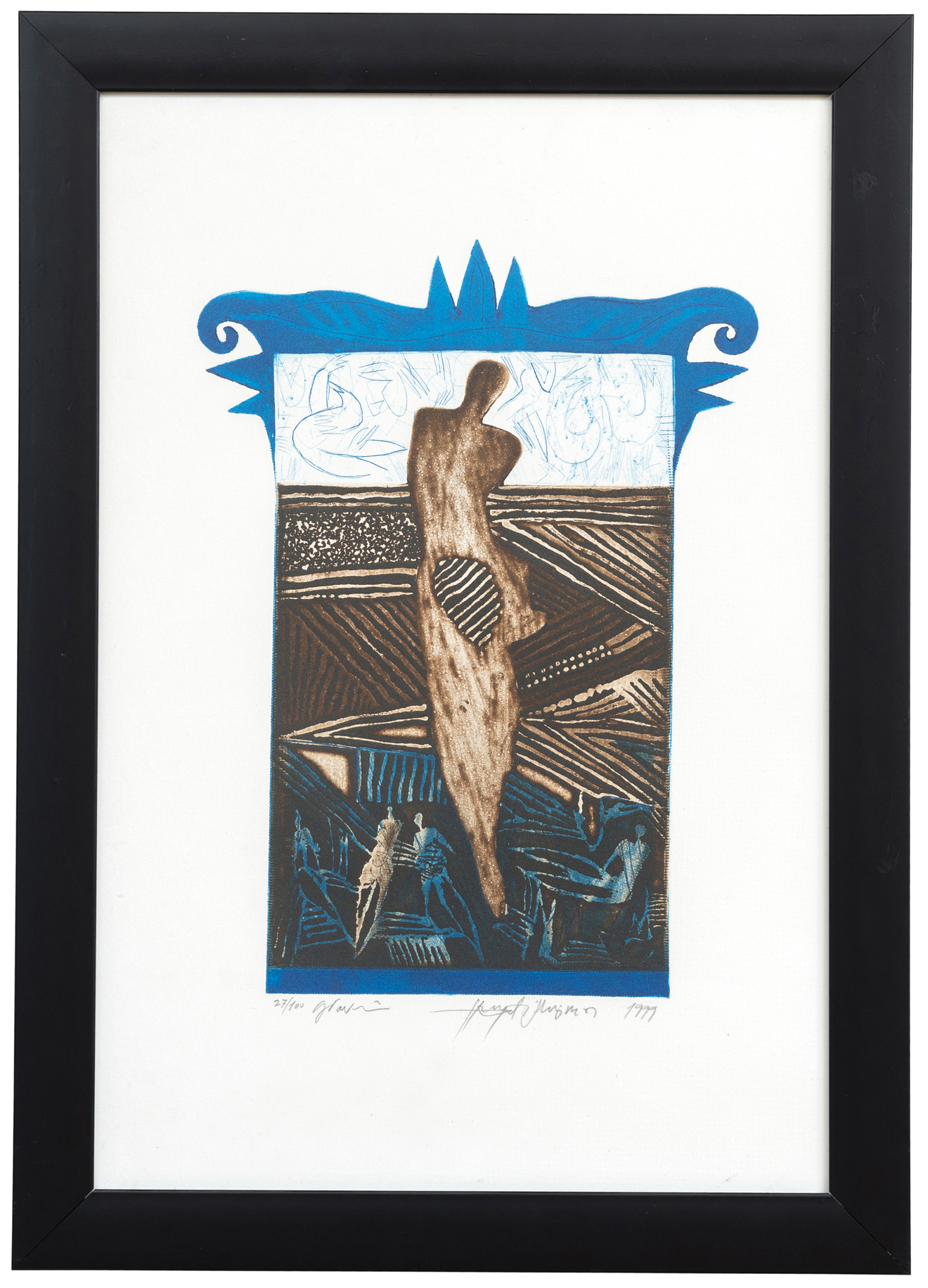
In Misman’s art, the line is the fundamental defining element. His mastery of engraving and printmaking techniques has made him one of the important representatives of this field in Turkey. The line is not only a tool that defines form; It is the fundamental means of expression that conveys emotion, tension, and movement.
2. Figurative-Abstract Balance
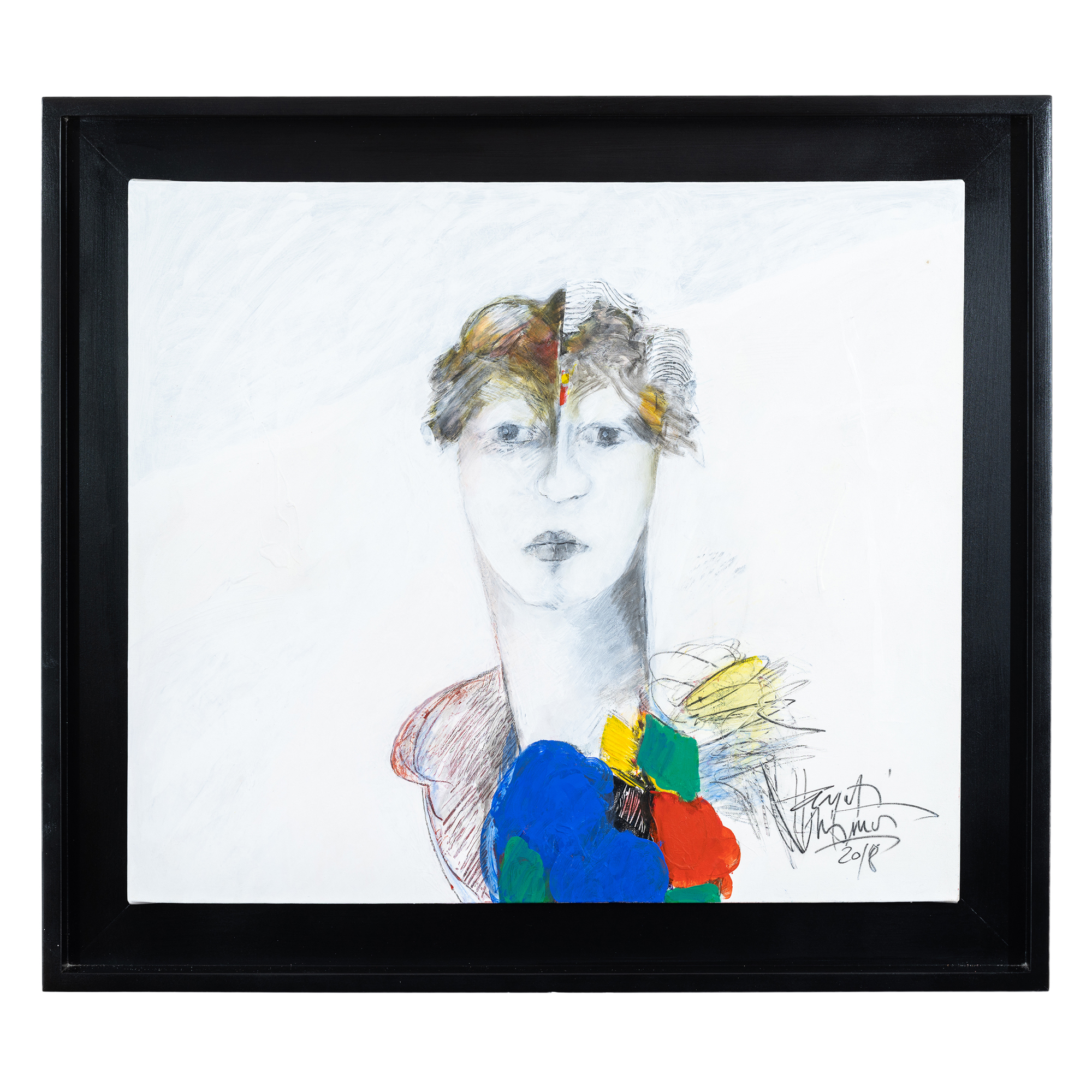
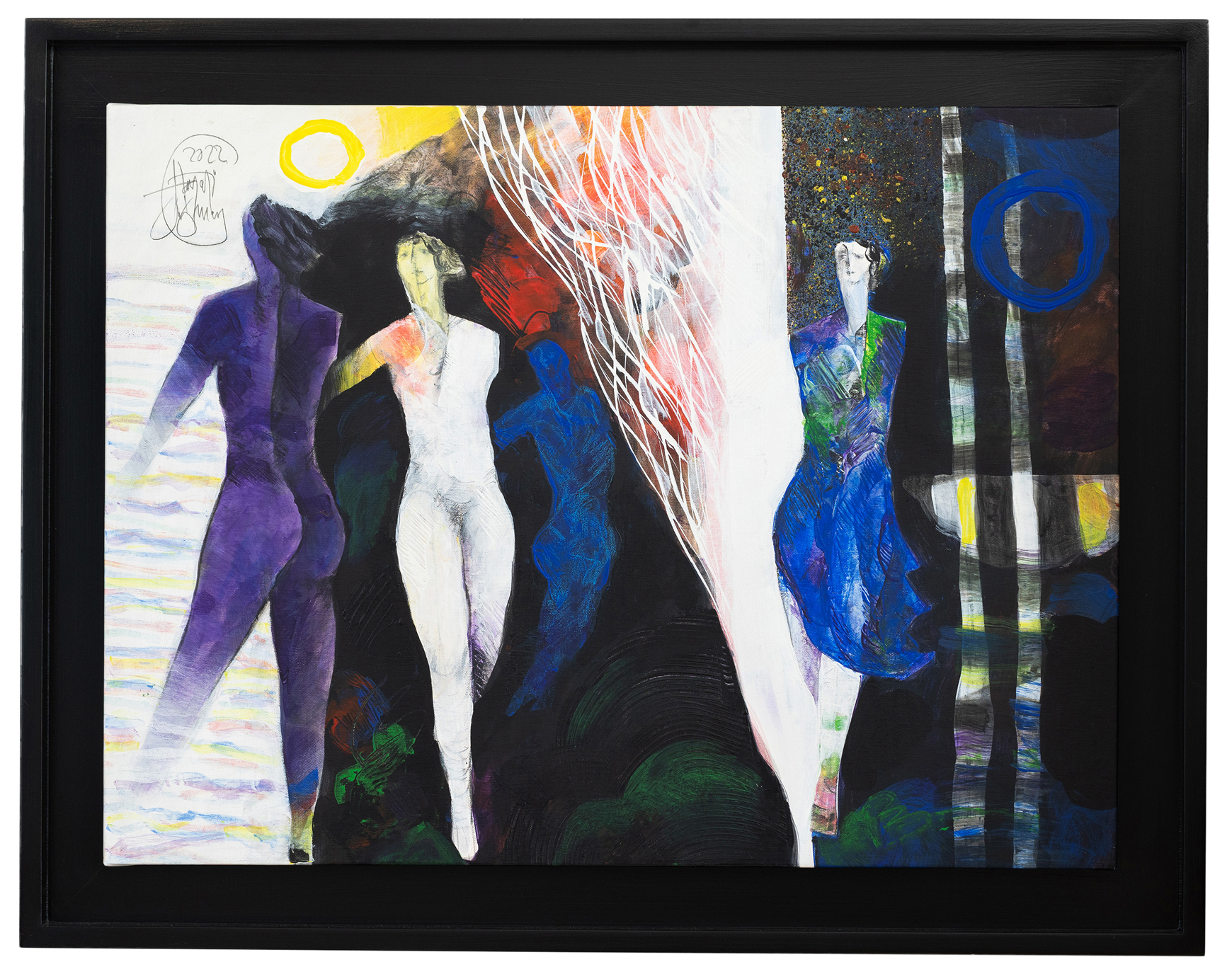
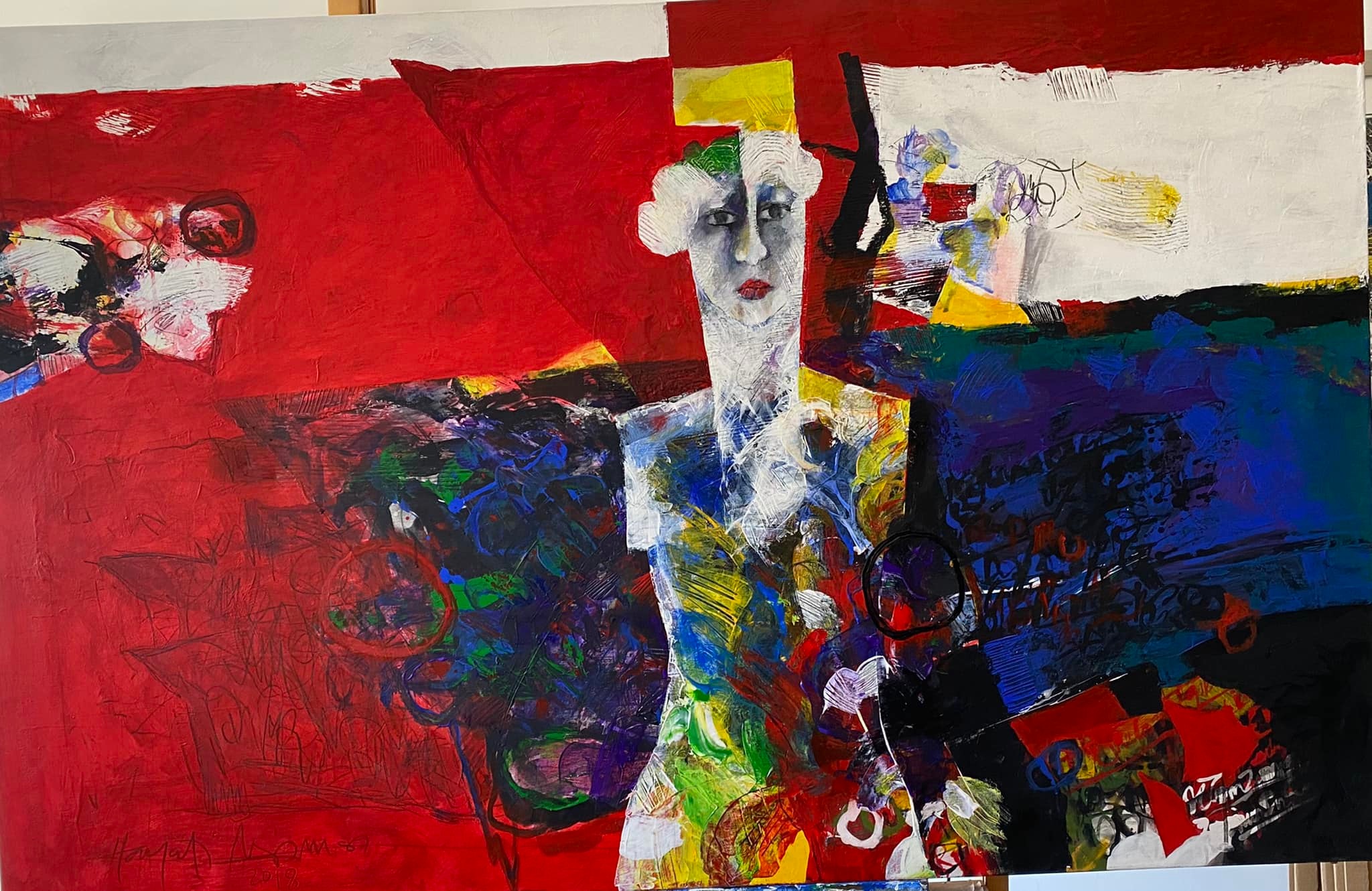
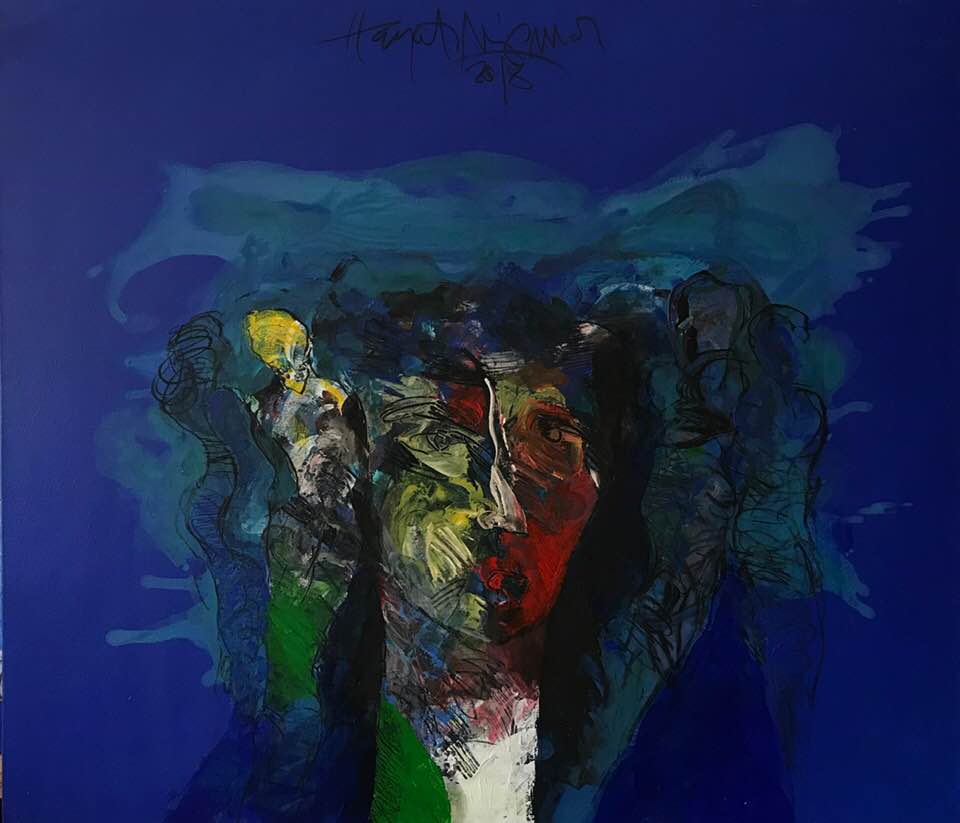
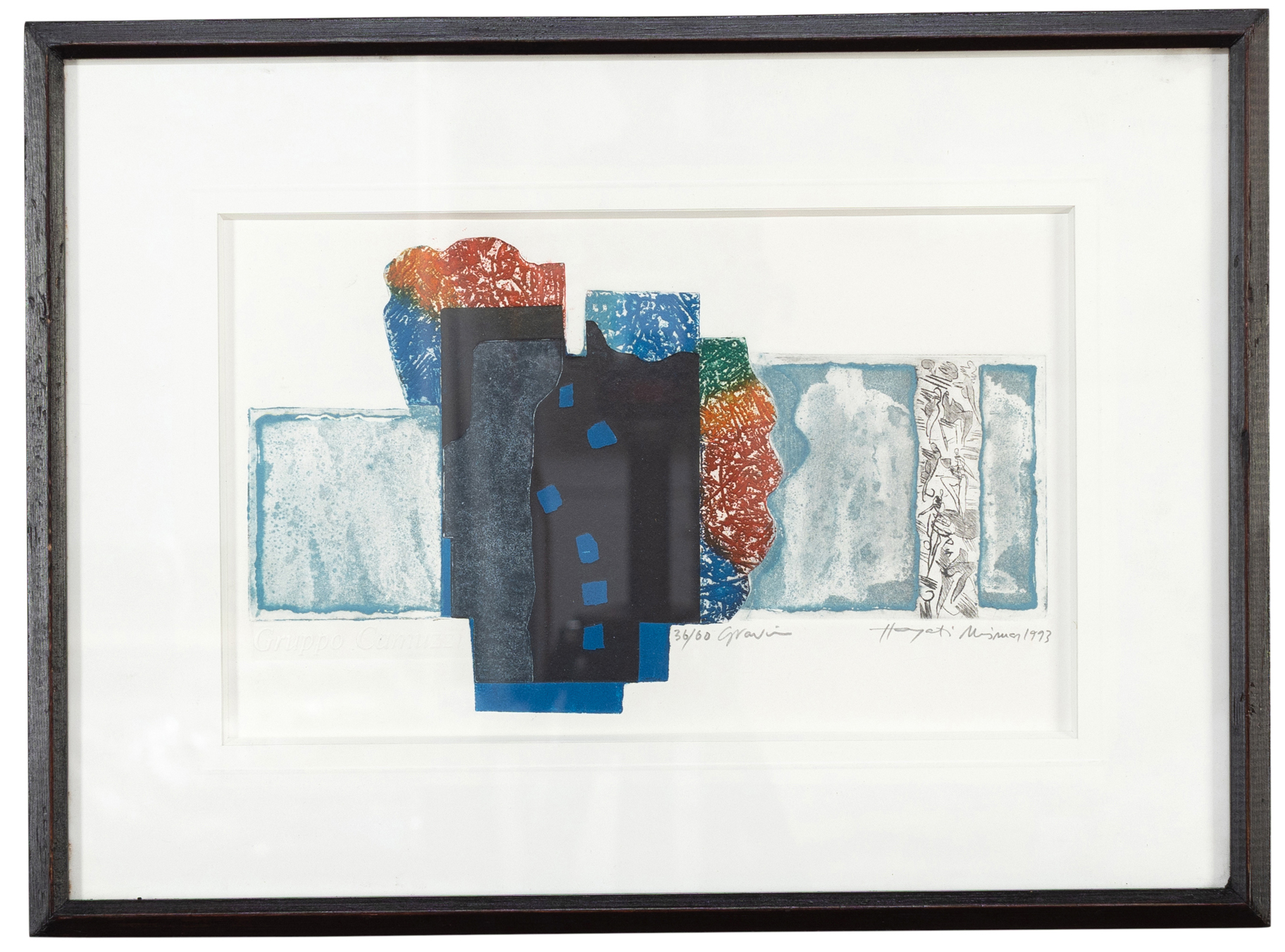
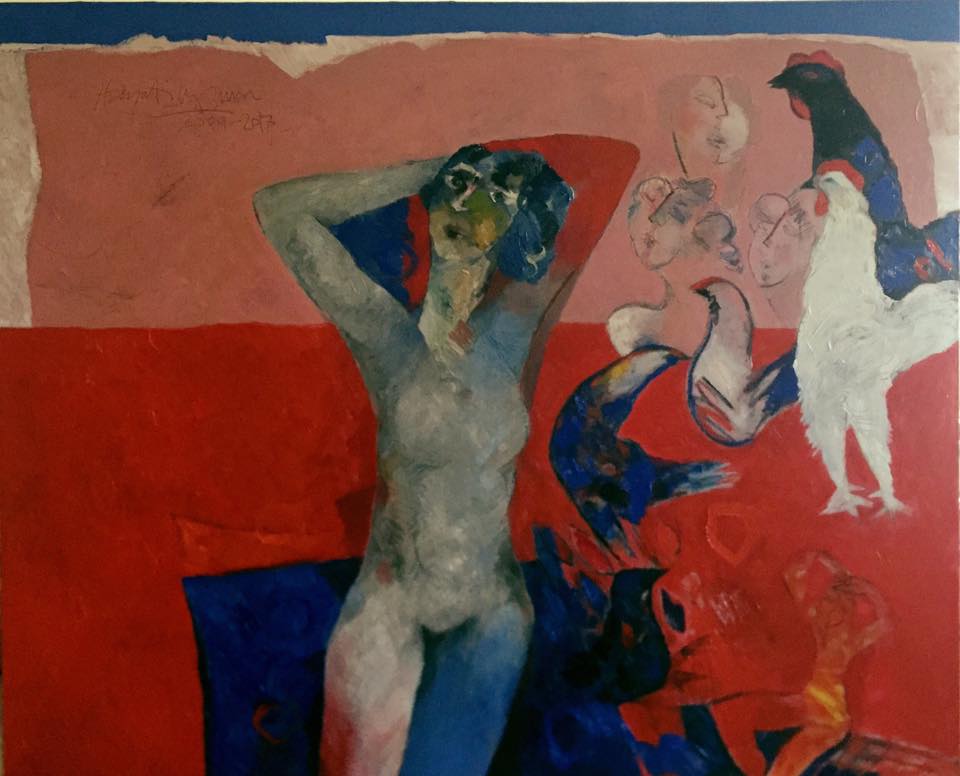
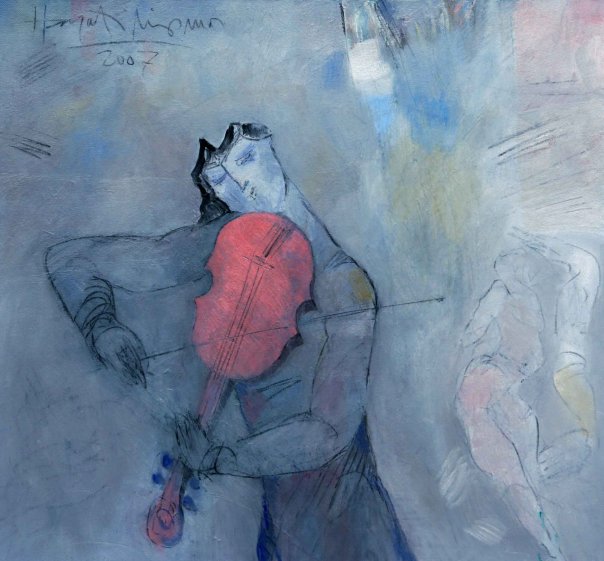
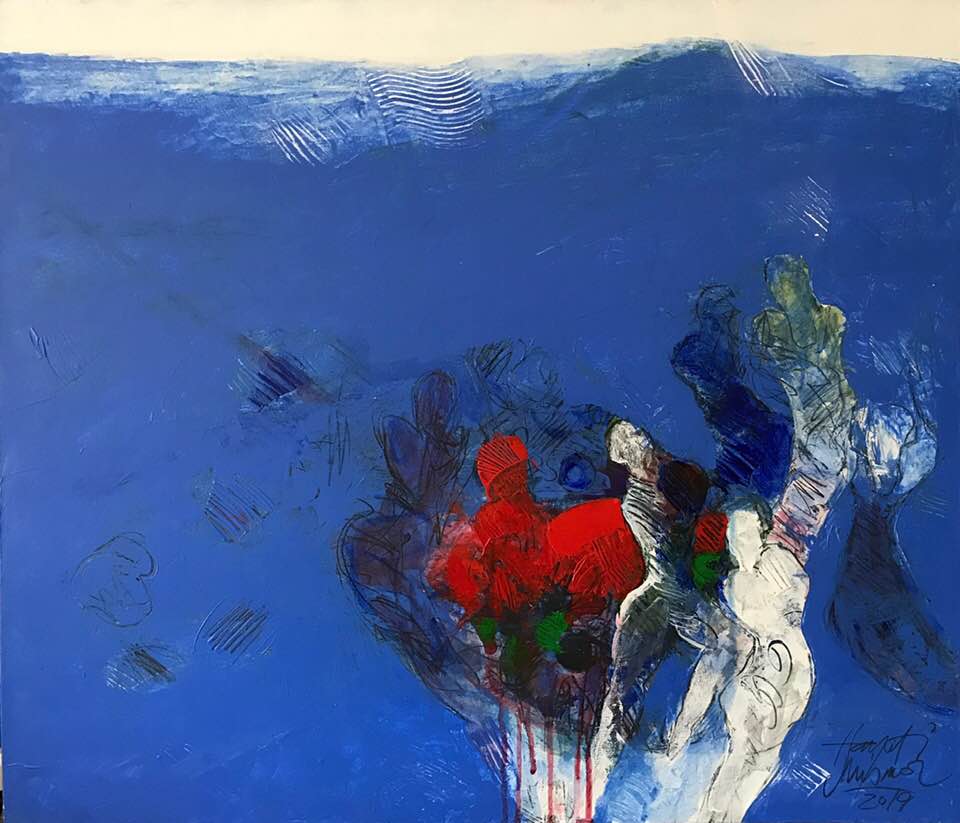
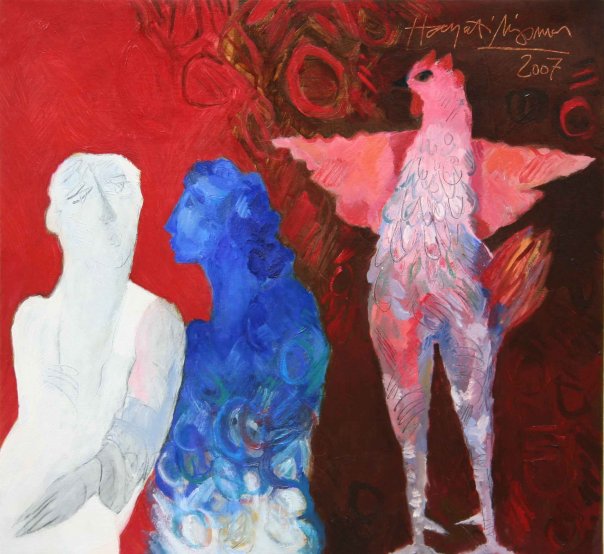
In the artist’s works, the figure is often at the center; however, the figure is not treated with classical realism, but with deformation and expressive effect. Over time, the figure dissolves, the linear structure comes to the fore, and the composition gains an abstract rhythm.
3. Metal and Collage Works
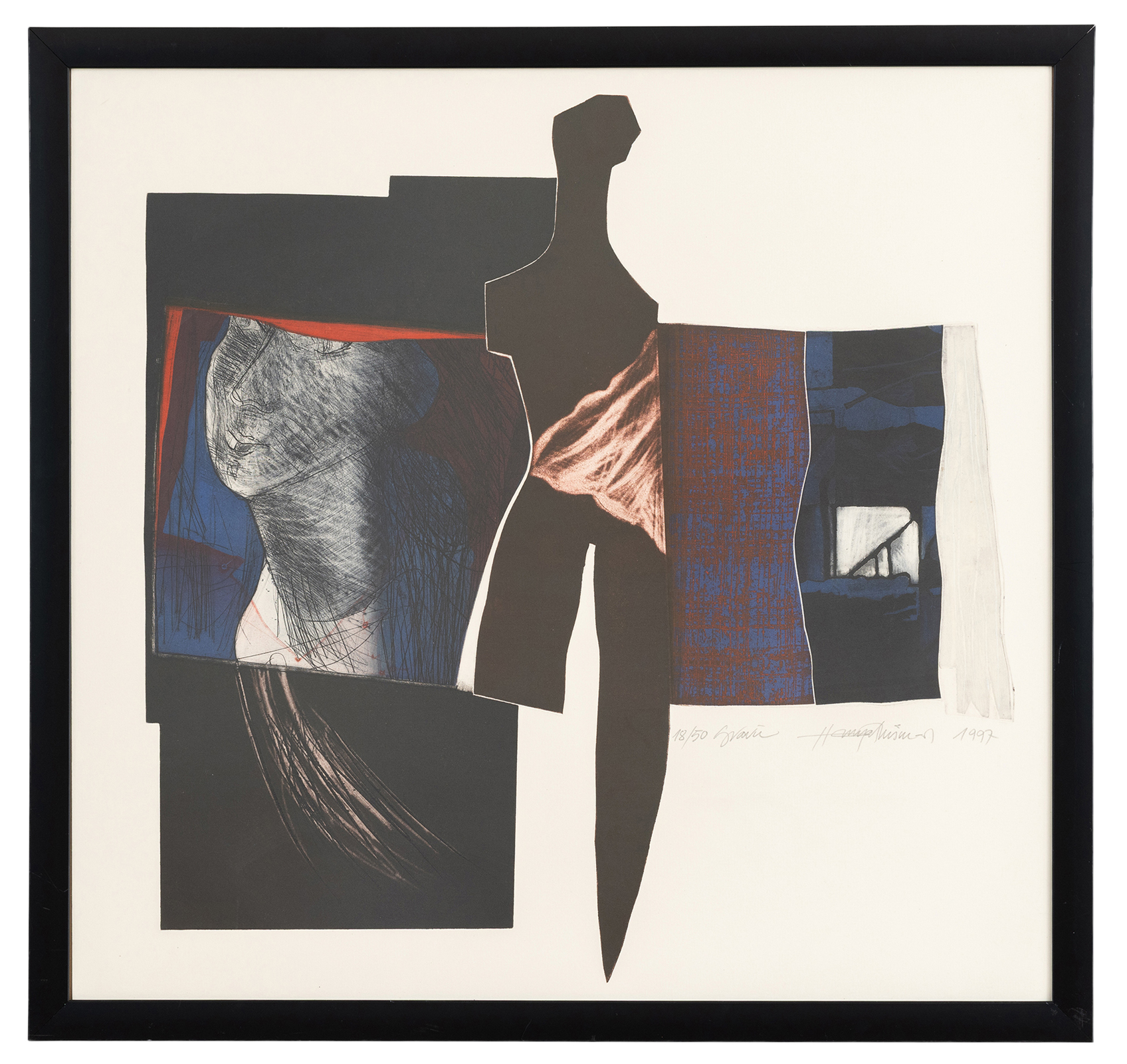
In addition to painting, metal surfaces, decoupage, and collage techniques are also included in his field of production. This multidisciplinary approach has carried his understanding of two-dimensional surfaces to three-dimensional explorations.
Awards;
Prof. Dr. Hayati Misman has won various awards at national and international levels:
• Abdi İpekçi Friendship and Peace Award (1992)
• International Mediterranean Biennial Award
• State Painting and Sculpture Exhibition awards
• Honorable mentions and achievement awards in various international art events
Exhibitions;
The artist has held over 50 solo exhibitions; and participated in numerous national and international group exhibitions.
Selections from Solo Exhibitions (Chronological)
1973 – Göttingen, Germany
1974 – Kassel, Germany
1975 – Lingen, Germany
1976 – Baden-Baden, Germany
1982 – Ankara State Museum of Painting and Sculpture
1983 – Istanbul (EDPA Art Gallery)
1985 – Ankara (Kibele Art Gallery)
1986 – Eskişehir (Palet Art Gallery)
1987 – Istanbul (Vakko Art Gallery)
1990 – Ankara
1991 – Istanbul
1992 – Ankara, İzmir, Istanbul
1993 – Adana
1994 – Nicosia
Retrospective Exhibitions;
2022 – Galeri Soyut, Ankara (Retrospective Selection)
2025 – İş Sanat Kibele Art Gallery, Ankara (Comprehensive retrospective with over 170 works)
His Place in Art History;
Prof. Dr. Hayati Misman is one of the important representatives of academic-based production in the fields of printmaking and engraving in Turkey. His line-centered expressionist narrative, his blending of figurative references within an abstract rhythm, and his interdisciplinary approach place him in a unique position in contemporary Turkish art. His identity as an educator has also ensured his lasting impact on the art world. The students he has mentored and his institutional contributions allow him to be considered not only an artist but also an art theorist and academic figure.
-
- Hayati Misman
-
- Hayati Misman
-

- Hayati Misman
-
- Hayati Misman
-
- Hayati Misman
-
- Hayati Misman
-
- Hayati Misman
-
- Hayati Misman
-
- Hayati Misman
-
- Hayati Misman
-
- Hayati Misman
-
- Hayati Misman
-
- Hayati Misman
-
- Hayati Misman
-
- Hayati Misman
-
- Hayati Misman
-
- Hayati Misman
-
- Hayati Misman
-
- Hayati Misman
-
- Hayati Misman
-
- Hayati Misman
-
- Hayati Misman
-
- Hayati Misman
-
- Hayati Misman
-
- Hayati Misman
-
- Hayati Misman
-
- Hayati Misman
-
- Hayati Misman
-
- Hayati Misman