
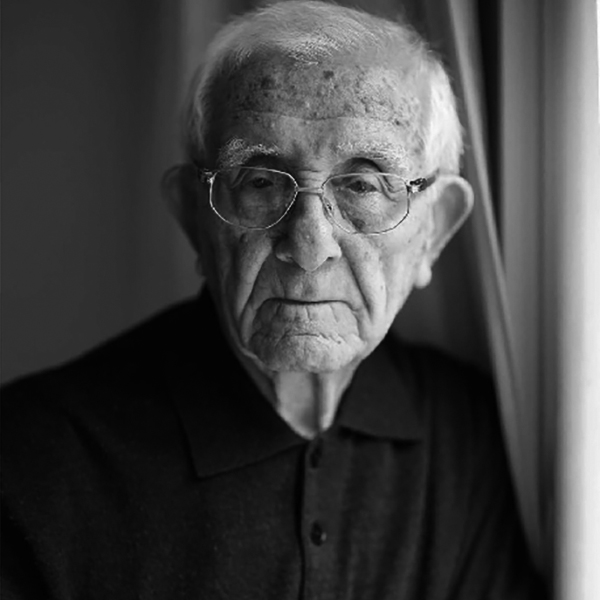
Who was Fethi Kayaalp? (1923 – March 8, 2026)
Ali Recep Fethi Kayaalp is one of the artists who made significant contributions to Turkish painting during the Republican era, especially in the fields of engraving, drawing, printmaking, and restoration. Although he was not very visible in art circles due to his quiet and introverted personality, he carved out a unique place for himself in Turkish art with his technical mastery and especially his line-based works. Kayaalp served Turkish painting culture for many years with his identities as a painter, engraver, restorer, art expert, and educator.
His Life;
Ali Recep Fethi Kayaalp was born in 1923 in Ezine district of Çanakkale, as the child of a family whose origins extend to Bozcaada. His father was from the Bozcaada gentry, and his family origins were from Ioannina and Crete; his mother’s side was descended from Muslim immigrants who migrated from Rumelia to Çanakkale after the Russo-Turkish War of 1877-1878. During the Greek occupation, his family faced significant hardships; his father was exiled to Piraeus and, upon his return, was unable to enter Bozcaada for some time. Following the Turkish army’s landing on Bozcaada in September 1923, the family resettled on the island.
Kayaalp spent his childhood in Bozcaada and completed his primary education there. He began his secondary education at Kabataş High School in Istanbul. His interest in painting became evident at an early age, leading him to pursue art education.
In 1939, he began attending classes at the Istanbul State Academy of Fine Arts as an external student. A year later, he continued his education as a registered student. At the academy, he worked in the Engraving Workshop directed by Léopold Lévy and Sabri Berkel, focusing particularly on metal printing techniques. He completed his painting education at the Nurullah Berk Workshop and graduated in 1947. A large portion of the works he produced during his student years, along with his diploma, were destroyed in the Academy Fire of 1948.
His Educational and Academic Career:
After graduation, he worked as a teacher in various cities of Anatolia.
• At Kastamonu High School between 1952 and 1957
• At Bolu High School between 1957 and 1959
• At Bursa Education Institute between 1959 and 1961, he served as a painting and art history teacher.
In 1962, with the suggestion of Sabri Berkel and the support of Nurullah Berk, he was appointed as a restorer to the Istanbul State Painting and Sculpture Museum. He established a restoration workshop to preserve and repair the works in the museum’s collection. This work is considered an important step in the preservation of works of art in Turkey using scientific methods.
In 1965, he was appointed as a lecturer in the Engraving Workshop of the Painting Department of the State Academy of Fine Arts. He provided training in engraving and printmaking at the Academy.
He received the title of associate professor in 1971. He retired from the academy voluntarily in 1981.
Restoration and Art Expertise;
In addition to his academic career, Kayaalp is recognized as a significant authority in the field of painting restoration and art expertise in Turkey. Thanks to the restoration work he carried out during his years at the Istanbul State Museum of Painting and Sculpture, numerous works of art have been preserved and documented.
From the second half of the 1970s onwards, he devoted more time to restoration work, particularly in his studio on Kazancı Yokuşu. From the 1980s onwards, he focused entirely on restoration and art expertise.
With the development of the art market and auction system in Turkey in the 1990s, he became one of the leading experts consulted in the processes of verifying, evaluating, and cataloging works of art.
Artistic Approach and Style;
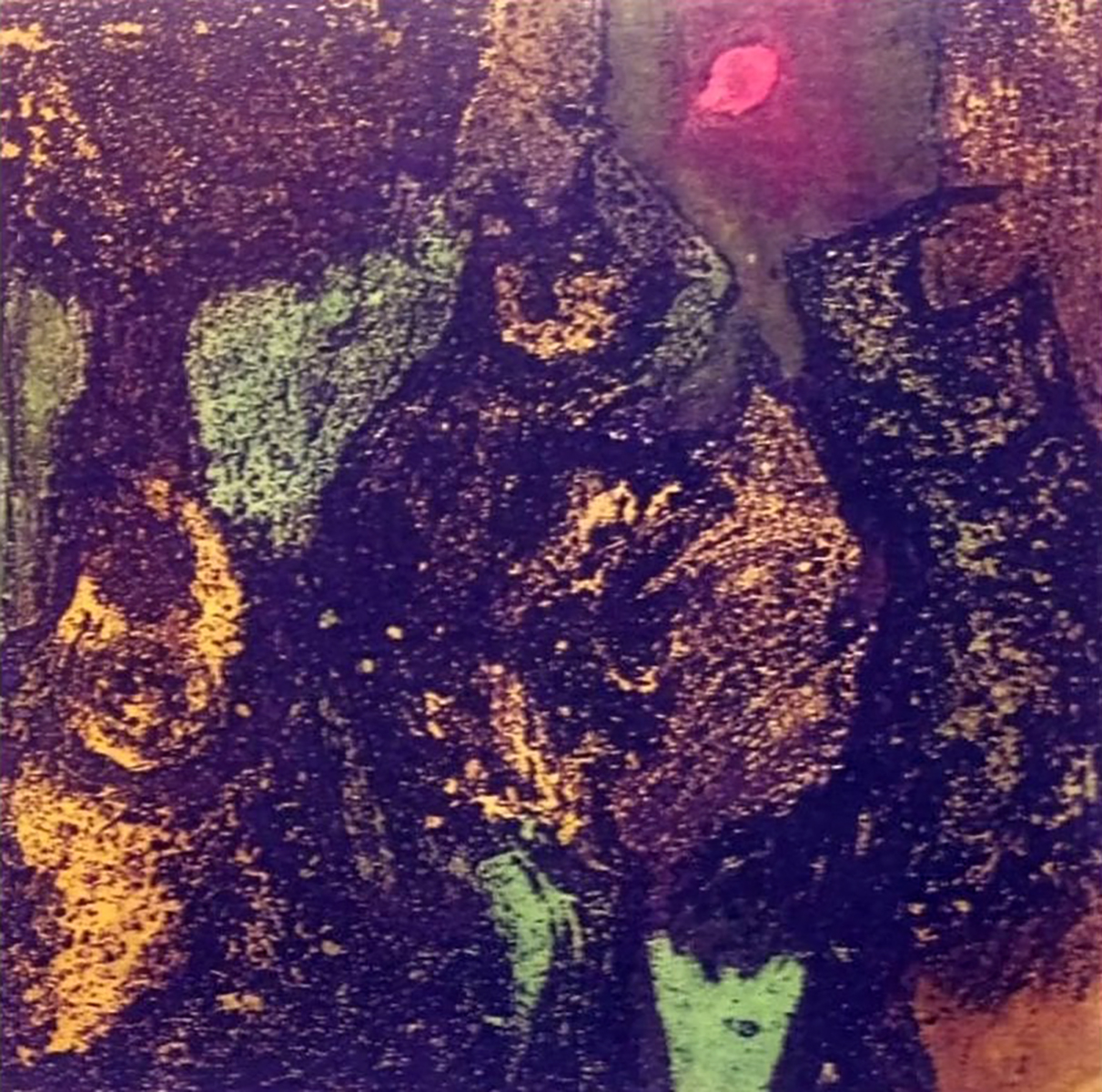
Fethi Kayaalp's art is based on a strong discipline of drawing and linear structure. The classical art education he received at the academy has created a distinct technical solidity in his works. The basic characteristics of his art are:
• Strong use of line and drawing
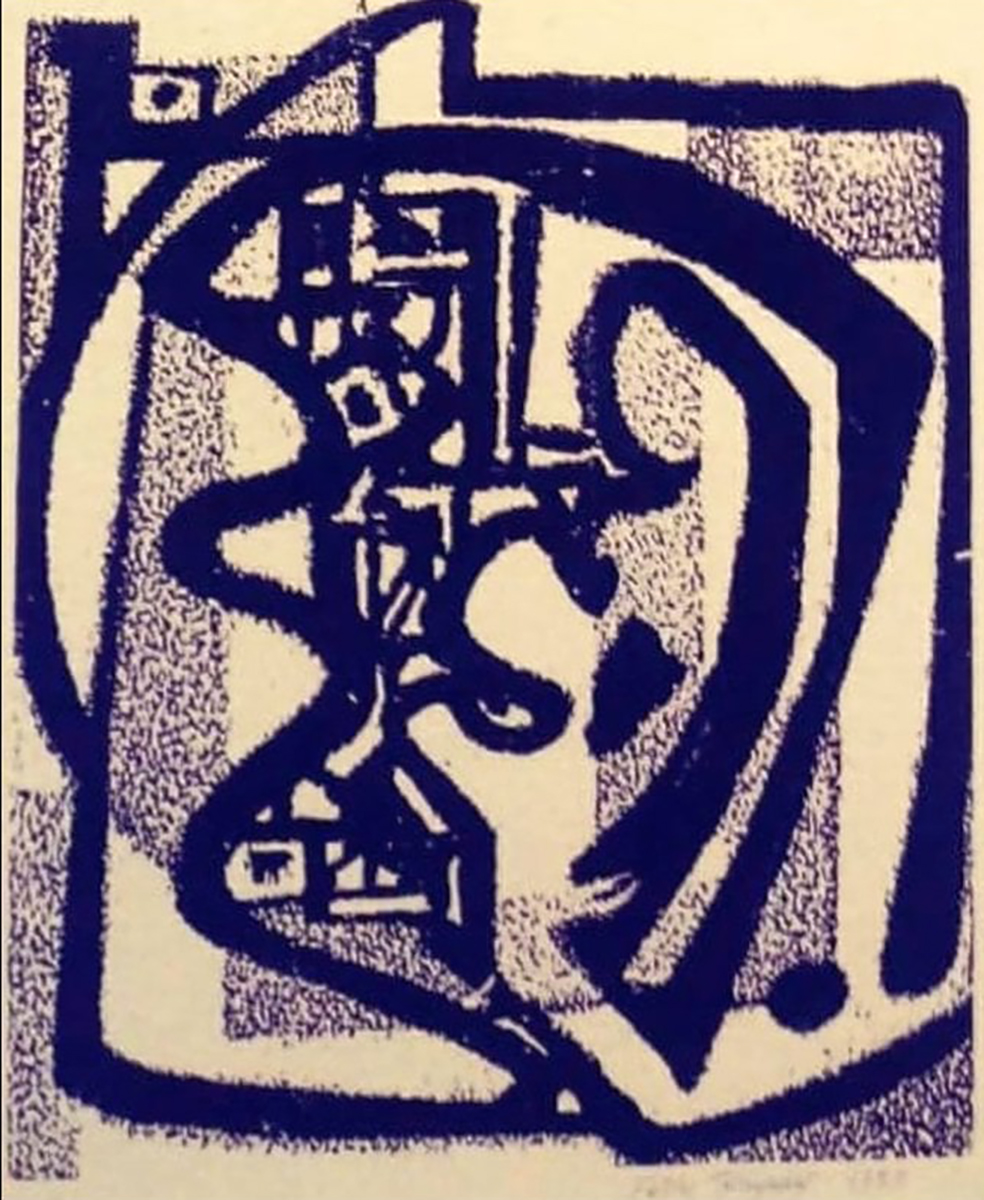
• Mastery in engraving and lithography techniques
• Balanced compositions between figurative expression and abstraction
• Observational approach based on nature
• Formal simplicity and plastic balance
In his early works, a realism quite close to nature is seen. However, this realism is not purely descriptive; it is based on an understanding that emphasizes the weight of the form and the integrity of the mass. Especially in his black-and-white engravings and lithographs, figures and objects are treated with simple lines and light shading to create a strong plastic effect.
Themes;
Various themes stand out in Kayaalp's works:
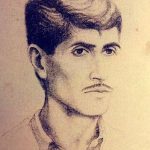
• Figure and portrait studies
• Sea and fishing life
• Island culture and coastal life
• Nature and landscape
• Composition and form research
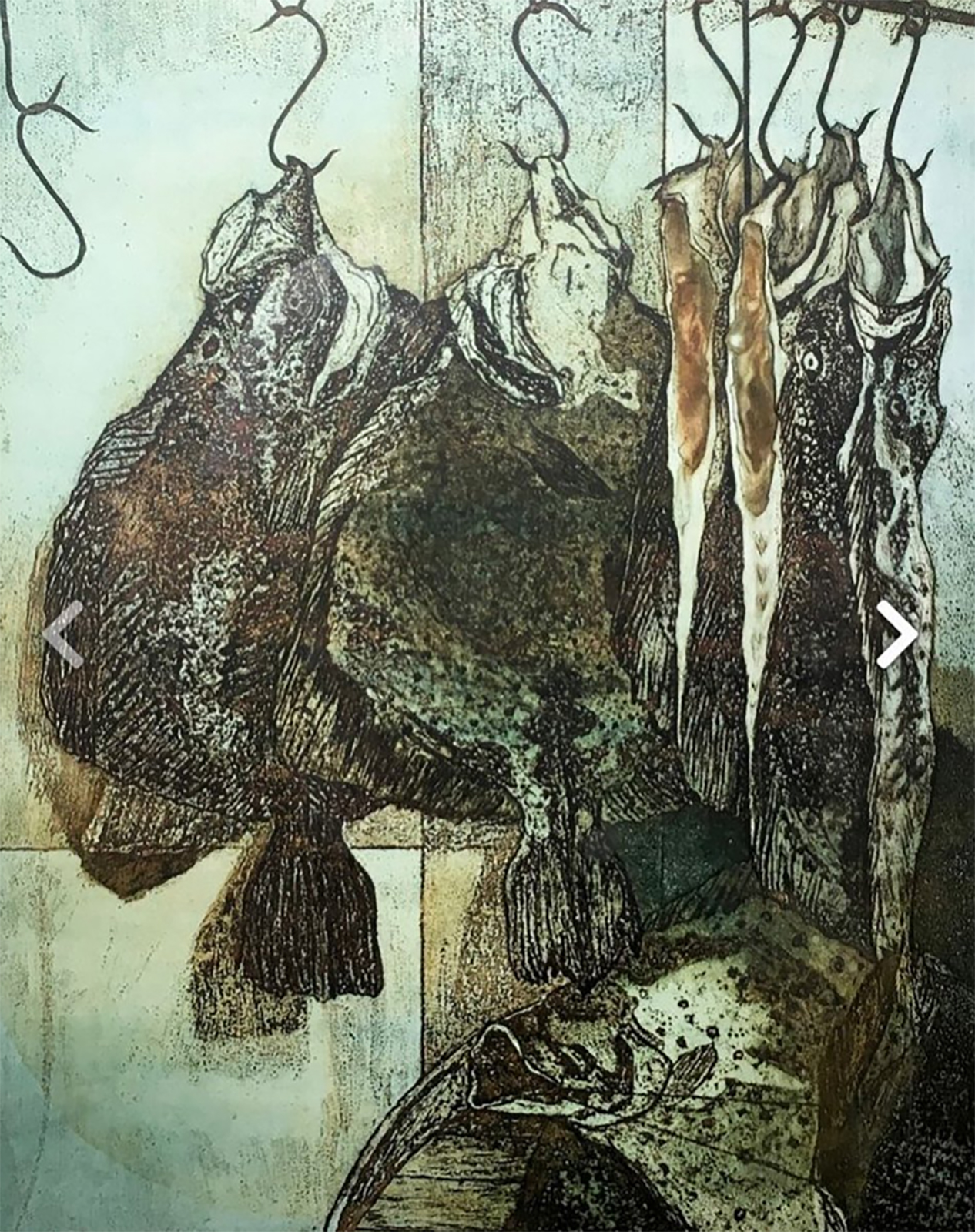
Due to his upbringing in Bozcaada, sea and fishing themes are frequently seen in the artist's works. His engravings and lithographs, especially those focusing on turbot, are considered his signature.
Prominent Works and Series;
The artist's works, particularly those developed around the following themes, are noteworthy:
• Turbot engraving series
• Dynamite Fishermen compositions
• Engravings depicting sea and fishing life
In these works, the rhythm of the line and the plastic power of the form are distinctly felt.
Exhibitions and International Events;
Fethi Kayaalp has participated in art events both in Turkey and internationally with his works.
Personal Exhibitions
• 1961 – Bursa Exhibition
• 1967 – Ankara Exhibition
• 1968 – Istanbul Retrospective Engraving Exhibition
International Events Participated In
• 1966 – 5th Tehran Biennial
• 1976 – 2nd Alexandria Biennial
• 1966 – Lugano Black and White Engraving Exhibition
• 1967 – 9th São Paulo Biennial
Awards Received;
Some of the artist's important awards are:
• 1966 – Tehran Biennial Honorable Mention
• 1967 – 38th State Painting and Sculpture Exhibition Second Prize
• 1969 – Alexandria Biennial Engraving Category First Prize
Collections Containing His Works;
Fethi Kayaalp's works are included in various museum collections in Turkey:
• Ankara Painting and Sculpture Museum
• İzmir Painting and Sculpture Museum
• Erzurum Painting and Sculpture Museum
• Various private collections
His Position in Turkish Painting History;
Ali Recep Fethi Kayaalp is among the artists who stand out in Republican era Turkish art, especially with his technical mastery in the fields of engraving and printmaking.
His position in art history can be summarized with the following headings:
1. Strong technical knowledge in the field of engraving and printmaking
2. Figurative approach based on academic drawing discipline
3. Contributions to the field of restoration and art expertise in Turkey
4. Works towards the preservation of museum collections
5. Interpretation of island culture and the sea theme with an original plastic language
Although not a very visible figure in art circles, he is considered one of the important masters of Republican era Turkish art with his technical mastery and disciplined work.
General Assessment;
Ali Recep Fethi Kayaalp's art is based on a strong plastic understanding based on line, technical mastery, and a disciplined work tradition. His competence in engraving and printmaking techniques has made him one of the important representatives of this field in Turkish painting. Kayaalp, who lived a long life immersed in art as a painter, restorer, and art expert, earned a respected place in Turkish art history, particularly with his expression based on line and form. The artist, who passed away on March 8, 2026, left behind a lasting legacy with both his works and his contributions to art education and restoration work.
-

- Fethi Kayaalp

-

- Fethi Kayaalp

-

- Fethi Kayaalp
-

- Fethi Kayaalp
-

- Fethi Kayaalp

-

- Fethi Kayaalp

-

- Fethi Kayaalp
-
- Fethi Kayaalp

-

- Fethi Kayaalp

-

- Fethi Kayaalp

-

- Fethi Kayaalp

-

- Fethi Kayaalp

-

- Fethi Kayaalp

-

- Fethi Kayaalp

-

- Fethi Kayaalp

-

- Fethi Kayaalp

-

- Fethi Kayaalp

-

- Fethi Kayaalp

-

- Fethi Kayaalp

-

- Fethi Kayaalp
