


Who Was Rasin Berk? (1947–2015):
An Abstract Painting Language Evolving Between Turkey, England, and America
Rasin Berk was born in Trabzon in 1947. Known in contemporary Turkish painting for works leaning towards abstract and abstract-expressionist tendencies, the artist spent a significant portion of his life and career outside Turkey. Having received his art education in London, he went on to work in the United States for over twenty years—an experience that secured him a distinctive position within contemporary Turkish painting.
Published information regarding Berk’s early life, family, and initial years of education in Turkey is quite limited. The documented portion of the artist’s biography effectively begins in London in the early 1970s.
He studied at St Martin’s School of Art in London between 1971 and 1974. As one of the most important educational institutions in the British art scene of that era, St Martin’s was a pivotal hub—particularly within the context of post-war European art—for experimental tendencies, abstraction, conceptual approaches, and the exploration of new materials. It is fair to say that the foundations of Berk’s subsequent abstract work were solidified during these years.
After completing his studies in England in 1974, he moved to the United States. He continued his artistic practice in Los Angeles from 1974 to 1996. This period, spanning approximately twenty-two years, represents one of the longest and most defining phases of Berk’s artistic career.
Particularly from the 1960s onwards, Los Angeles had developed a robust contemporary art scene that offered an alternative to the New York-centric American art world. This atmosphere—characterized by the convergence of Minimalism, the enduring influence of Abstract Expressionism, Color Field painting, Conceptual art, and experimental approaches—must have provided a significant visual environment for the evolution of Berk’s artistic vision.
During this same period, the artist did not limit himself to his own painting practice; he also served as an art consultant for the Charles Bolles Rogers Art Foundation in Minneapolis. Thus, alongside his creative work, he engaged directly with the worlds of art collecting, the art market, and institutional art circles.
Maintaining his artistic activities simultaneously in America and Europe, Berk exhibited his work at galleries such as the Jack Rutberg Art Gallery and Petersan Gallery in Los Angeles, and the Wilma Wayne Gallery and Peter Roth Galerie in Europe. Biographical sources indicate that the artist held 18 solo exhibitions during this period.
This period of international activity distinguishes Rasin Berk from painters whose development took place solely within Turkish art circles. Berk’s art education was shaped in England, while the longest phase of his professional career unfolded in America.
Detailed chronological records regarding his life after 1996 are more limited. Nevertheless, the presence of numerous works dating from the 2000s and 2010s in auction and collection records in Turkey demonstrates that the artist continued his creative output until the final stages of his life.
Paintings dated 2002, 2004, 2005, 2006, 2007, 2009, 2010, 2011, and 2012 are documented in auction records. Large-scale abstract compositions, in particular, stand out in Berk’s late-period work. The artist, who was active in Los Angeles between 1974 and 1996, served as an art consultant for the Charles Bolles Rogers Art Foundation in Minneapolis.
He held a total of 18 solo exhibitions at galleries in the United States and Europe, including the Jack Rutberg Art Gallery, Petersan Gallery, Wilma Wayne Gallery, and Peter Roth Galerie.
Berk, whose works are included in prominent private collections such as those of Bolles Rogers, Arnold Hammer, Norden Simon, and John Portman, continued his artistic practice in Istanbul, Brussels, and Yalıkavak (Bodrum) during the later stages of his life. He passed away in 2015.
Artistic Approach;
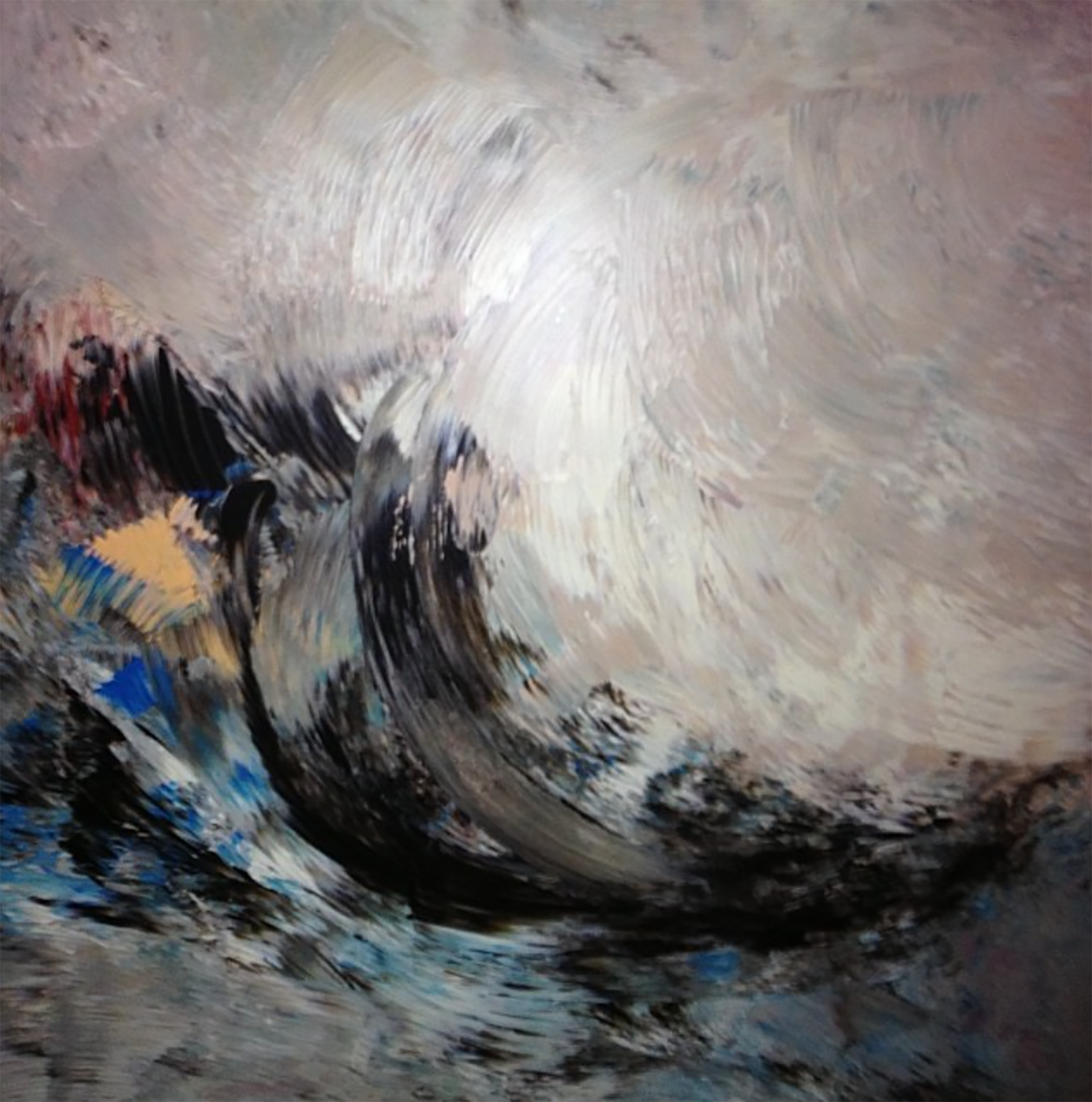
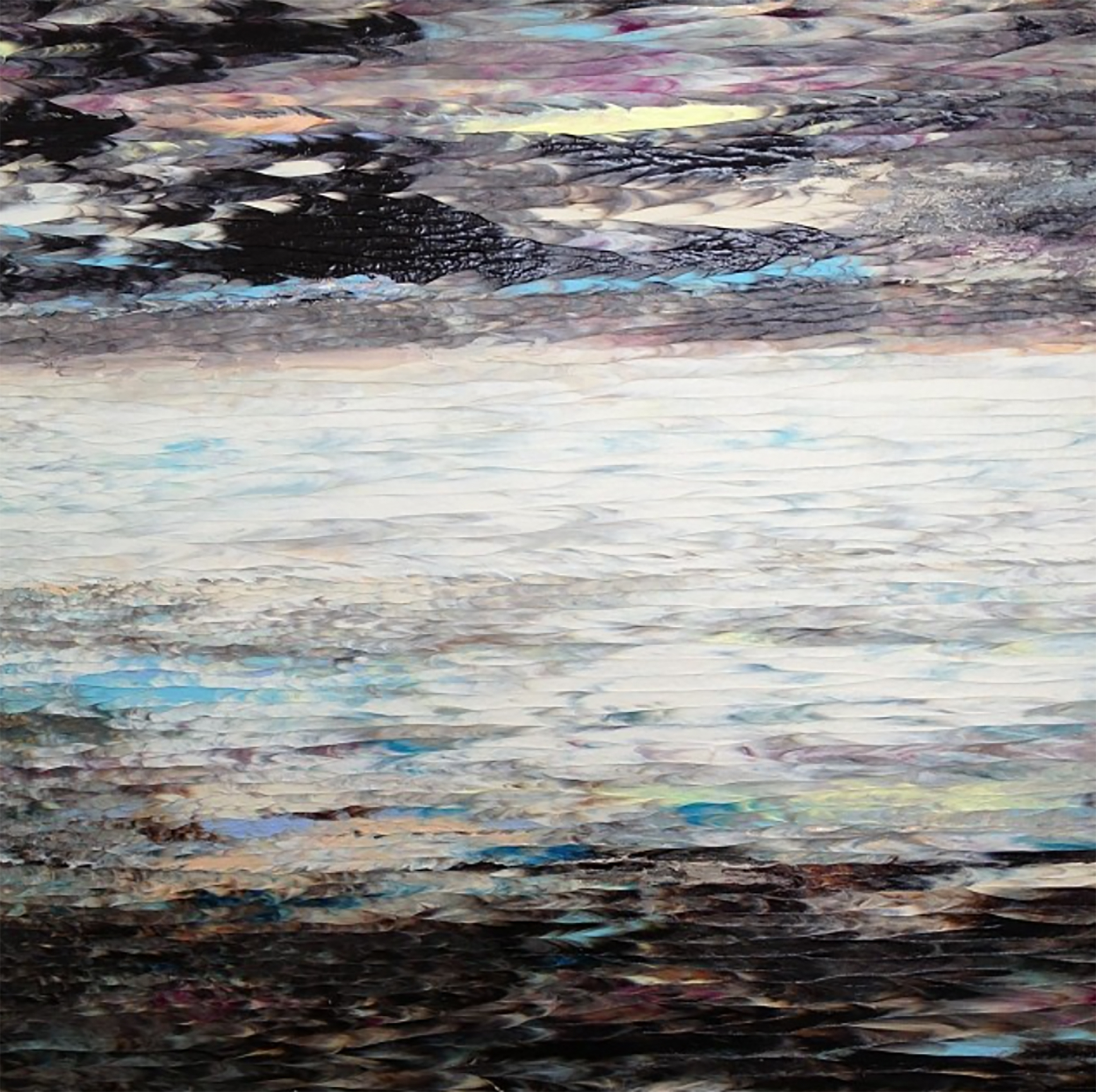
Abstraction, color, surface, movement, and visual rhythm lie at the heart of Rasin Berk’s approach to painting.
A significant portion of the artist’s works—documented in auctions and collections—are recorded under titles such as "Abstract," "Abstract Composition," or "Untitled." This indicates that, particularly during his mature period, Berk moved away from painting based on the direct depiction of objects, instead prioritizing the intrinsic relationships between color and form.
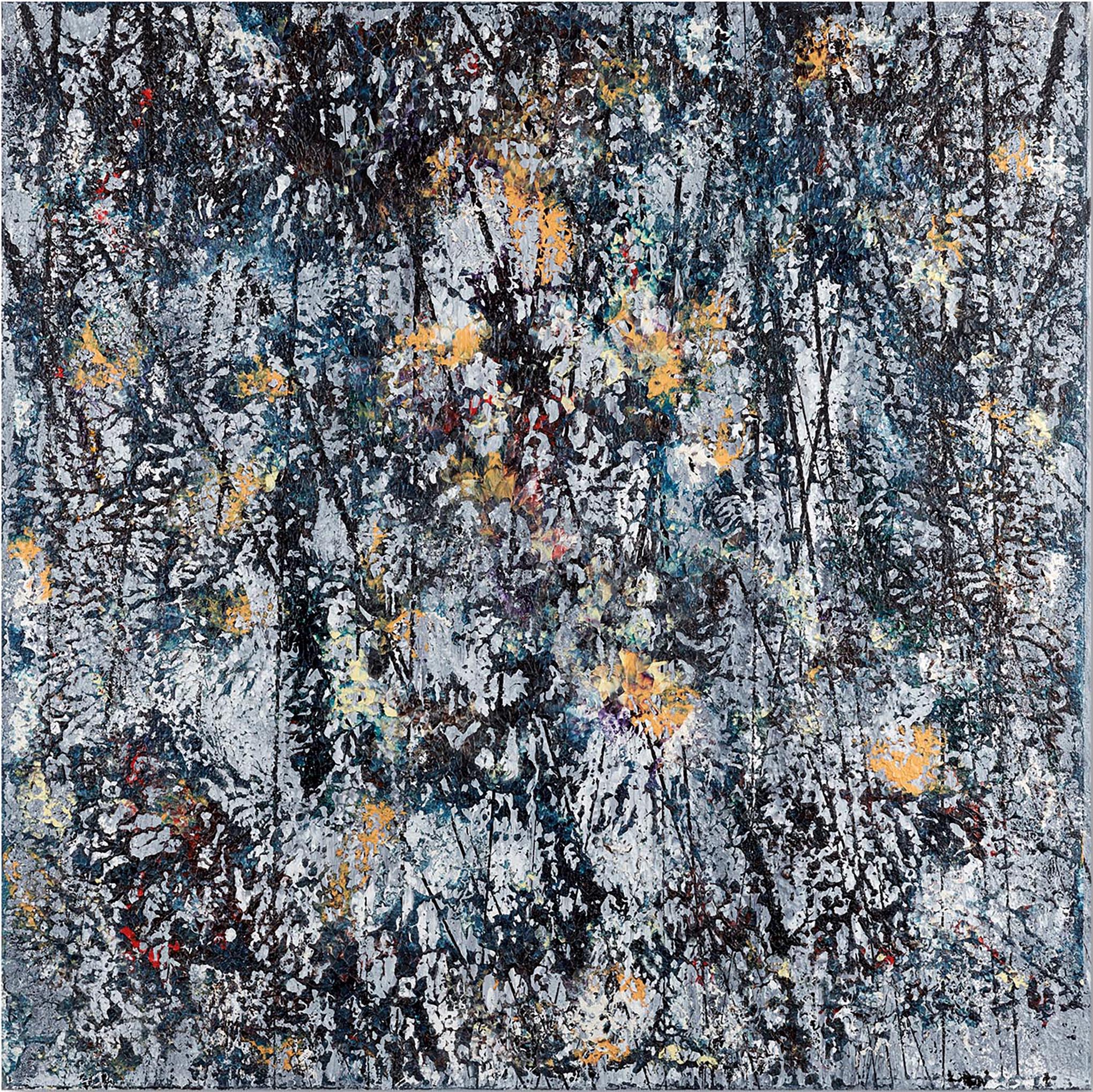
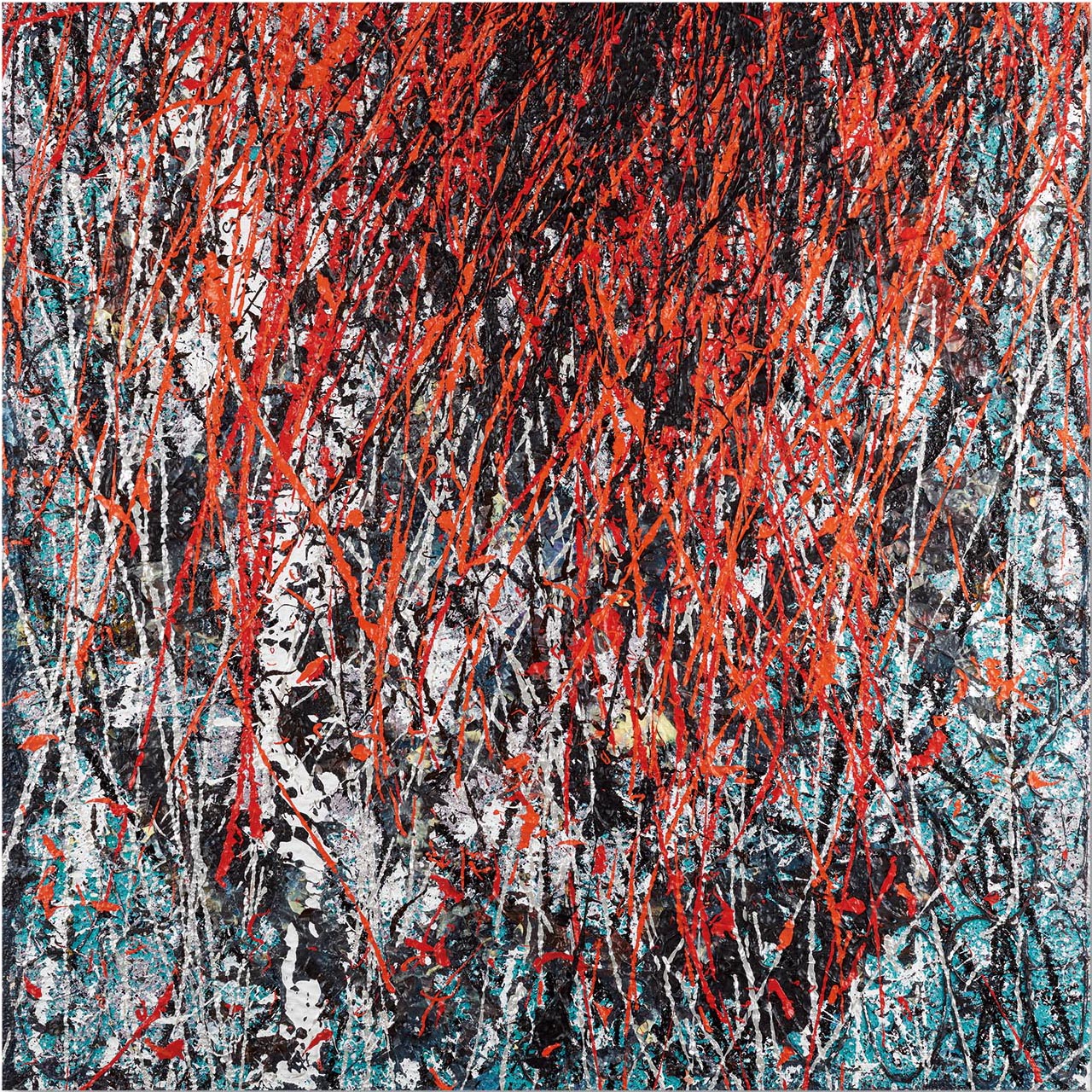
Berk’s abstraction possesses a character that is far freer and more painterly than one based on geometric order. On the canvas, color fields, linear movements, layers, and marks interact with one another.
In this respect, his art reflects a strong Abstract Expressionist sensibility. However, rather than defining him simply as a representative of a specific American movement, it is more accurate to say that he developed a personal visual language by drawing upon both European and American experiences of abstract painting.
The art education he received in London and his long years in Los Angeles enabled Berk to directly follow contemporary art developments in the West. Consequently, his abstract paintings should be evaluated not only within the context of the Turkish tradition of abstraction but also in light of the influences of post-war British and American art.
Berk’s works often lack a distinct narrative. The viewer is presented not with an explanatory representation of an event or figure, but with an open visual field composed of color, marks, and movement.
This approach liberates the painting from narrative, directing attention instead toward the painting’s own formal and material qualities.
Themes and Technical Characteristics;
Abstract Compositions
Abstract compositions constitute the largest body of work in Rasin Berk’s oeuvre.
Abstract arrangements created on large, square—or near-square—canvases are particularly striking when examining his works from the 2000s. Documented examples of this include *Abstract* (2004, 100 × 100 cm), *Abstract* (2005, 136 × 104 cm), *Abstract Compositions* (2006 and 2007, 100 × 100 cm), large-scale works from 2011, and abstract paintings from 2012.
Color
Color is one of the fundamental structural elements in Berk’s painting.
The artist employs color not merely to define the appearance of objects, but as an independent force on the picture plane. The convergence, separation, and overlapping of color fields determine the movement of the composition.
In Berk’s abstract paintings, color often establishes the composition's psychological impact. Consequently, the effect of his works arises from a direct visual and sensory experience rather than from narrative subject matter.
Mark-making and Brushwork
The artist’s work relies more on the free use of marks and brushwork than on controlled geometric abstraction.
The entire surface serves as an active compositional field. Rather than establishing distinct focal points, the interplay of color and marks may spread across various areas of the canvas.
This approach creates a sense of movement and continuity within the painting.
Large-Scale Canvas
It is evident that Rasin Berk favored large-scale canvases, particularly in his work from 2000 onwards.
For instance, records exist for works such as:
• *Abstract*, 2011 – 150 × 150 cm
• *Abstract*, 2011 – 100 × 175 cm
• *Abstract Composition*, 2011 – 100 × 200 cm
• *Abstract*, 2012 – 160 × 180 cm The large canvas expanded the painter's scope of movement and allowed color and gesture to take on a more physical quality.
Figure and Portrait
Although Rasin Berk is primarily known for his abstract works, his body of work is not entirely abstract.
The 1982 portrait of Aşık Veysel is a significant example of this. Executed in oil on canvas, the work demonstrates that the artist also engaged with figurative art and portraiture.
This piece is particularly important for showing that Berk’s connection to figurative painting was not completely severed during his early period.
Nature and Landscape
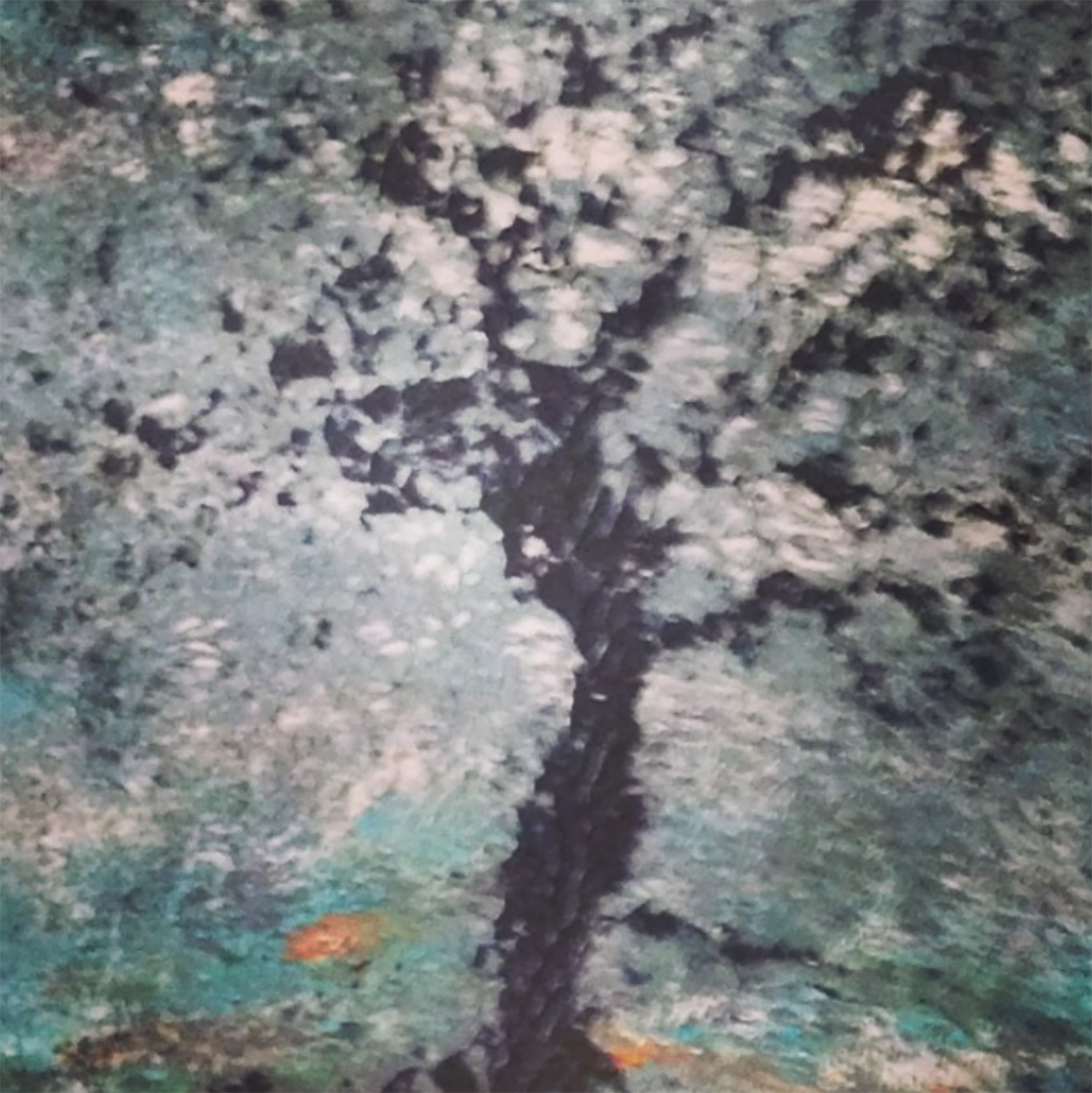
Works titled *Sea*, *Tree*, and *Plane Tree* also appear in the artist's auction records.
Works such as *Sea* (2009), *Tree* (2012), and *Plane Tree* (2012) indicate that the theme of nature did not disappear entirely from the artist's oeuvre. However, the fact that relationships of form and color take precedence over the direct depiction of nature in these works aligns with Berk’s tendency toward abstraction.
Major Works;
As a significant portion of Rasin Berk’s works is held in private collections, a comprehensive *catalogue raisonné* has not yet been published. Major works and examples documented in auction records include the following:
• Still Life, 1971
• Aşık Veysel, 1982
• Abstract Composition, 2002
• Abstract, 2004
• Abstract, 2005
• Abstract Composition, 2005
• After Her, 2006
• Abstract Composition, 2006
• Abstract Composition, 2007
• Abstract, 2009
• Sea, 2009
• Untitled, 2010
• Abstract / Untitled Compositions, 2011
• Tree, 2011–2012
• Abstract, 2012
• Plane Tree
• Triptych – Abstract
It is noteworthy that the artist’s recorded works include a *Still Life* dated 1971. This early work demonstrates that, prior to arriving at his later, prolific output of abstract art, Berk also engaged with object-based painting.
The 1982 work *Aşık Veysel* holds a special place among the artist’s known figurative pieces. Alif Art records describe the work as an oil on canvas, signed and dated VIII/1982.
The 2006 work *After Her*—an oil on canvas measuring 125 × 125 cm—is an example showing that the artist did not exclusively use the title "Abstract," but occasionally gave specific names to his works.
Solo Exhibitions;
Existing digital sources do not provide a detailed, year-by-year chronology of Rasin Berk’s exhibition history. Therefore, it is inappropriate to include unverified exhibition dates.
However, biographical sources clearly state that the artist held 18 solo exhibitions in the United States and Europe.
Galleries where he is documented to have held solo exhibitions include:
• Jack Rutberg Art Gallery – Los Angeles
• Petersan Gallery – Los Angeles
• Wilma Wayne Gallery – Europe
• Peter Roth Galerie – Europe
These exhibitions are particularly significant as they demonstrate that a substantial part of Berk’s career unfolded outside of Turkey.
The fact that the artist was able to hold exhibitions within the Los Angeles art scene reveals that, during his long period in America, he was not merely a painter producing work in a private studio, but was also active within the professional gallery system.
Notable Group Exhibitions:
A detailed and complete chronology of Rasin Berk’s group exhibition history is not available in current open sources.
Biographical records indicate that the artist’s activities in the United States and Europe were not limited to solo exhibitions; he also participated in various group events. However, it would be inappropriate to list exhibitions whose names and dates cannot be reliably verified.
Following his death, his works have continued to be displayed in various collections and group exhibitions.
For example:
• 2018 – Serda Güvenç Group Collection Exhibition
records include Rasin Berk’s name.
Furthermore, the artist’s works have been featured alongside those of Abdurrahman Öztoprak, Zeki Faik İzer, Albert Bitran, and other abstract artists in auction and collection selections focused on contemporary and abstract art in Turkey.
Awards;
There is no reliable or verifiable list of art awards received by Rasin Berk available in open sources.
Therefore, rather than listing awards that cannot be definitively attributed to the artist, it is more accurate to state in this section that no documented record of awards has been found.
Berk’s international visibility was shaped primarily by his art education in the UK, his long period of work in the US, his art consultancy activities, and the solo exhibitions he held in both the US and Europe.
Collections Containing His Works;
It is noted that Rasin Berk’s works are held in various American and international private collections.
Documented collections include:
• Bolles Rogers Collection
• Arnold Hammer Collection
• Norden Simon’s Collection
• John Portman Collection
• Various American Private Collections
• Private Collections in Turkey
• Rasin Berk Family Collection
Notably, auction records from Alif Art (2019) show that numerous works by Rasin Berk were offered for sale with "Family Collection" provenance. These records indicate that a significant number of the artist's works have been preserved collectively by his family.
The fact that a substantial portion of the artist's works is dispersed across private collections is one of the factors that makes conducting a comprehensive retrospective assessment difficult today.
Position in the International Art Scene;
To understand the unique character of Rasin Berk’s contribution to Turkish painting, one must consider the geographical context of his life.
The artist was born in Turkey, received his advanced art education in the UK, and spent the longest part of his professional career in the United States.
In this respect, Berk should be viewed alongside other Turkish painters who developed their careers in international art centers during the second half of the 20th century. While the London period (1971–1974) brought him into contact with European modernism and post-war British art, the Los Angeles period (1974–1996) provided an environment where he could closely observe the diverse trends of American contemporary art.
Therefore, Berk’s abstract paintings should be interpreted not only within the context of the abstract art that emerged in Turkey after 1950 but also in relation to British and American post-war painting traditions.
His Place in the History of Turkish Painting;
Rasin Berk is an artist whose name may not be as widely recognized in the history of Turkish painting as some of his contemporaries, yet he stands out due to his remarkable background in international education and professional experience.
His life story is significant in illustrating how, starting in the 1960s and 1970s, Turkish artists began to look beyond Paris, turning their attention to London and the United States as well.
While European-centric modernism in Turkish painting was long established through Paris, two distinct art centers—London and Los Angeles—played a pivotal role in shaping Berk’s career.
This influence is also evident in his paintings.
Rather than adhering to the classical figurative tradition, his shift toward expansive color fields, gestural brushwork, abstract forms, and large-scale canvases positions him as a key representative of the post-war Turkish abstraction movement with strong international connections.
At the same time, works such as his 1971 still life, the 1982 portrait of Aşık Veysel, and later pieces like *Sea*, *Tree*, and *Plane Tree* demonstrate that his transition to abstraction was not a single, definitive step and that his engagement with nature and the human figure never entirely ceased.
Therefore, rather than limiting Berk’s artistic approach to the label of "abstract painter," it is more accurate to view it as a style that expands from the figurative to the abstract while occasionally revisiting imagery drawn from nature.
The increasingly frequent appearance of his works in the Turkish auction market following his death is also contributing to a re-evaluation of his place in art history.
MutualArt records indicate that dozens of his works have been tracked within the international auction system, and that an "Untitled" piece sold at Antik A.Ş. in 2022 achieved the highest auction price recorded for his work to date.
General Overview;
Rasin Berk (1947–2015) was a Turkish painter who was born in Trabzon, received his art education in London, and spent approximately twenty-two years of his career in Los Angeles.
His studies at St Martin’s School of Art (1971–1974) and subsequent work in the United States (1974–1996) steered his artistic career in a direction distinct from that of many of his contemporaries in Turkey.
His tenure as an art consultant at the Charles Bolles Rogers Art Foundation in Minneapolis, his ongoing artistic activities across America and Europe, and his exhibitions at galleries such as Jack Rutberg Art Gallery, Petersan Gallery, Wilma Wayne Gallery, and Peter Roth Galerie all attest to the connections he established within international art circles.
Sources indicate that he held 18 solo exhibitions during this period.
Abstract painting lies at the heart of Berk’s art.
Particularly in the large-scale abstract compositions he created in the 2000s, elements such as color, form (or "stain"), surface, and brushwork became his primary means of expression. Rather than depicting a specific object, the painting establishes its own internal rhythm and visual energy.
Nevertheless, works such as his early still-lifes, the portrait of Aşık Veysel, and pieces titled *Sea*, *Tree*, and *Plane Tree* demonstrate that the artist never completely severed his connection to the human figure and nature.
Rasin Berk’s significance in art history stems from more than just his production of abstract paintings. One of the aspects that sets him apart is his ability to transform an international artistic experience—spanning Turkey, the UK, and the US—into a unique, personal pictorial language.
Today, a significant portion of his works resides in private collections and the family collection. Therefore, a detailed monograph, a catalogue raisonné, or a comprehensive retrospective exhibition covering the artist's entire body of work would be significant for more accurately establishing Rasin Berk’s place in Turkish contemporary art.
-

- Rasin Berk
-
- Rasin Berk

-
- Rasin Berk

-

- Rasin Berk

-

- Rasin Berk

-

- Rasin Berk

-
- Rasin Berk
-

- Rasin Berk
-

- Rasin Berk

-

- Rasin Berk

-

- Rasin Berk

-

- Rasin Berk

-

- Rasin Berk

-
- Rasin Berk

-

- Rasin Berk

-

- Rasin Berk

-

- Rasin Berk

-

- Rasin Berk
-

- Rasin Berk

-

- Rasin Berk
-

- Rasin Berk

-

- Rasin Berk

-
- Rasin Berk

-

- Rasin Berk
