

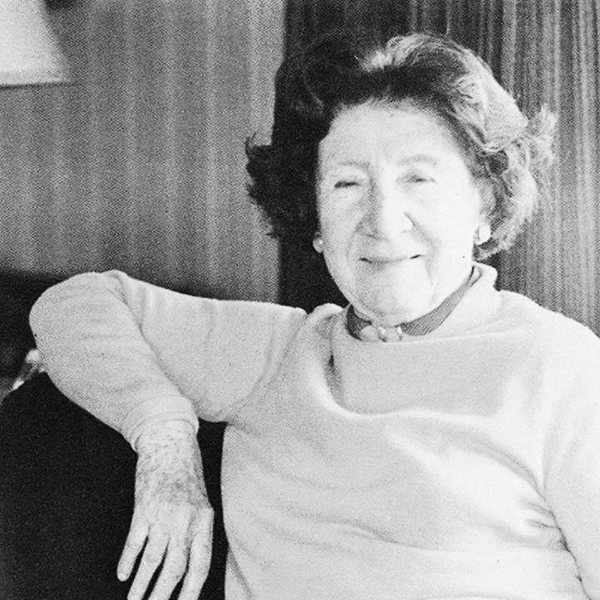
Who was Şükriye Dikmen? (1918, Istanbul – 2000, Istanbul)
A Painter Who Interpreted the Naive-Lyric Figure Understanding in Turkish Painting with a Modernist Sensibility
Her Life:
Şükriye Dikmen was born in Istanbul in 1918. Her father was Cafer Fahri Bey, a Georgian immigrant from Batumi and one of Turkey’s first microbiologists. She was the older sister of painter Tiraje Dikmen and the niece of Ali Dikmen, a member of the Ottoman Parliament and the Grand National Assembly of Turkey. Her upbringing in a cultural and intellectual environment influenced the early development of her artistic sensibility. She completed her pre-university education at Arnavutköy American College and graduated in 1942. She then entered the Painting Department of the Istanbul Academy of Fine Arts. Working in the İbrahim Çallı Studio at the Academy, she gained a solid academic foundation in drawing, figure, and composition. She graduated in 1948. That same year, she went to Paris. In Paris, she worked with Fernand Léger for three years; she also received two years of training in the studios of Sergier and Roger Chastel. The understanding of modern European painting, based on formal simplification, color balance, and awareness of surface, left a lasting mark on her art. In 1953, she graduated from the art history department of the École du Louvre in Paris. In 1953, she held her first solo exhibition in Paris; the following year, she held her first solo exhibition in Turkey. In 1957, she participated in the Edinburgh Festival. In 1962, she participated in the “Contemporary Turkish Art” exhibitions held in Paris, Brussels, and Vienna. In 1968, she organized a comprehensive retrospective exhibition at the State Academy of Fine Arts, bringing together her old and new works. The artist passed away in Istanbul on September 16, 2000.
Art Perspective;
The Inner Serenity of the Figure
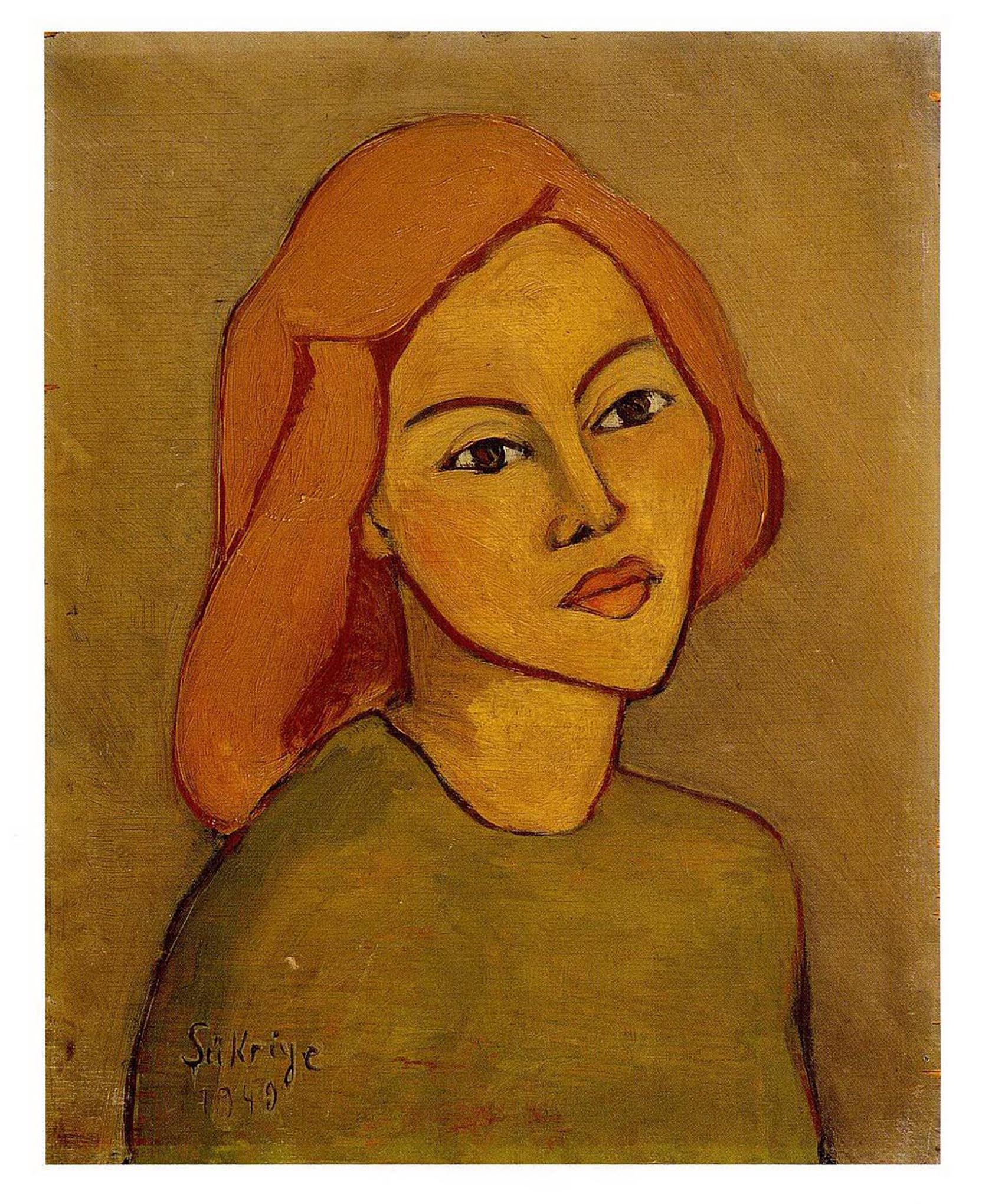
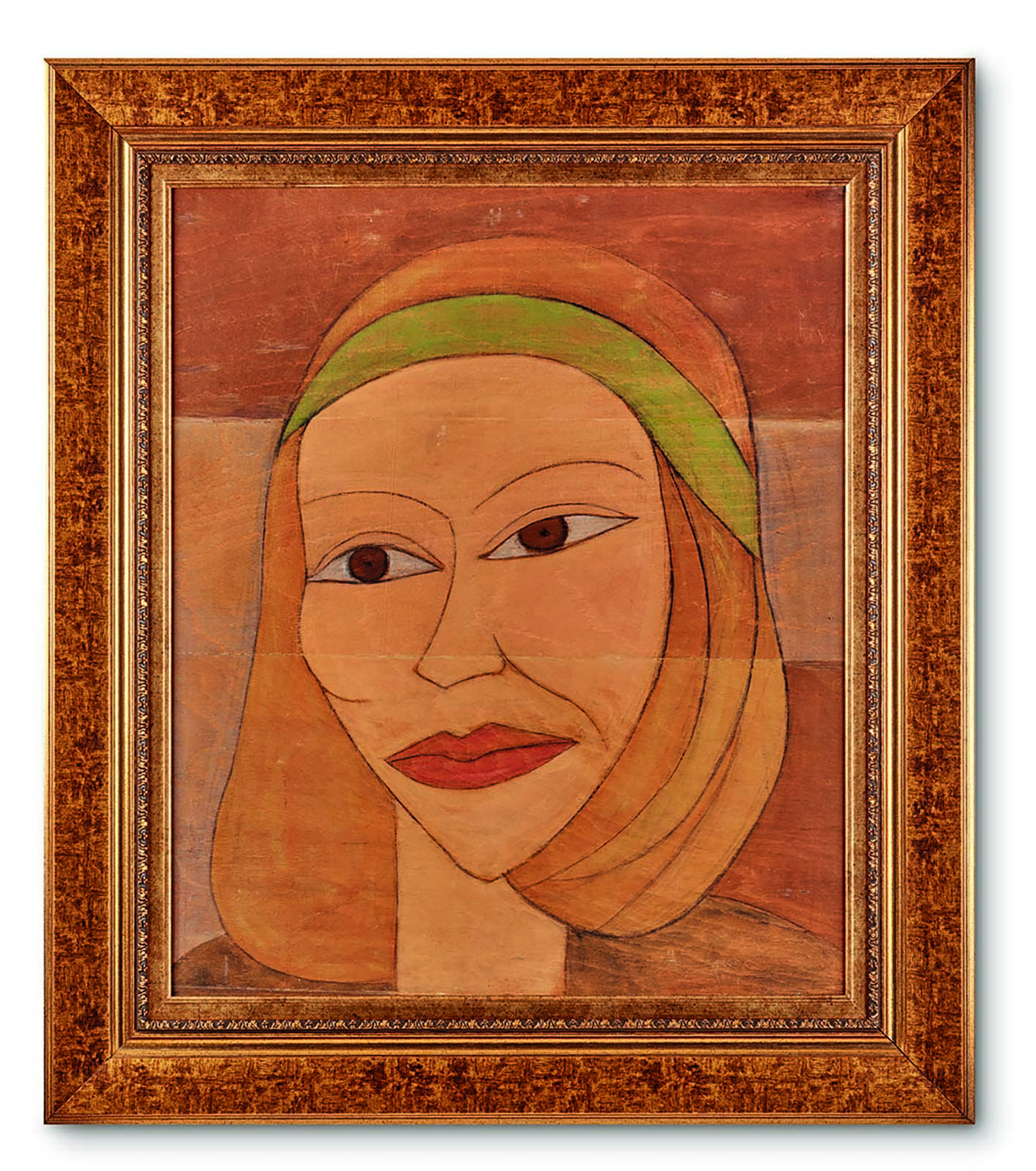
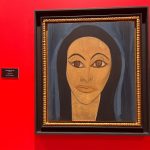
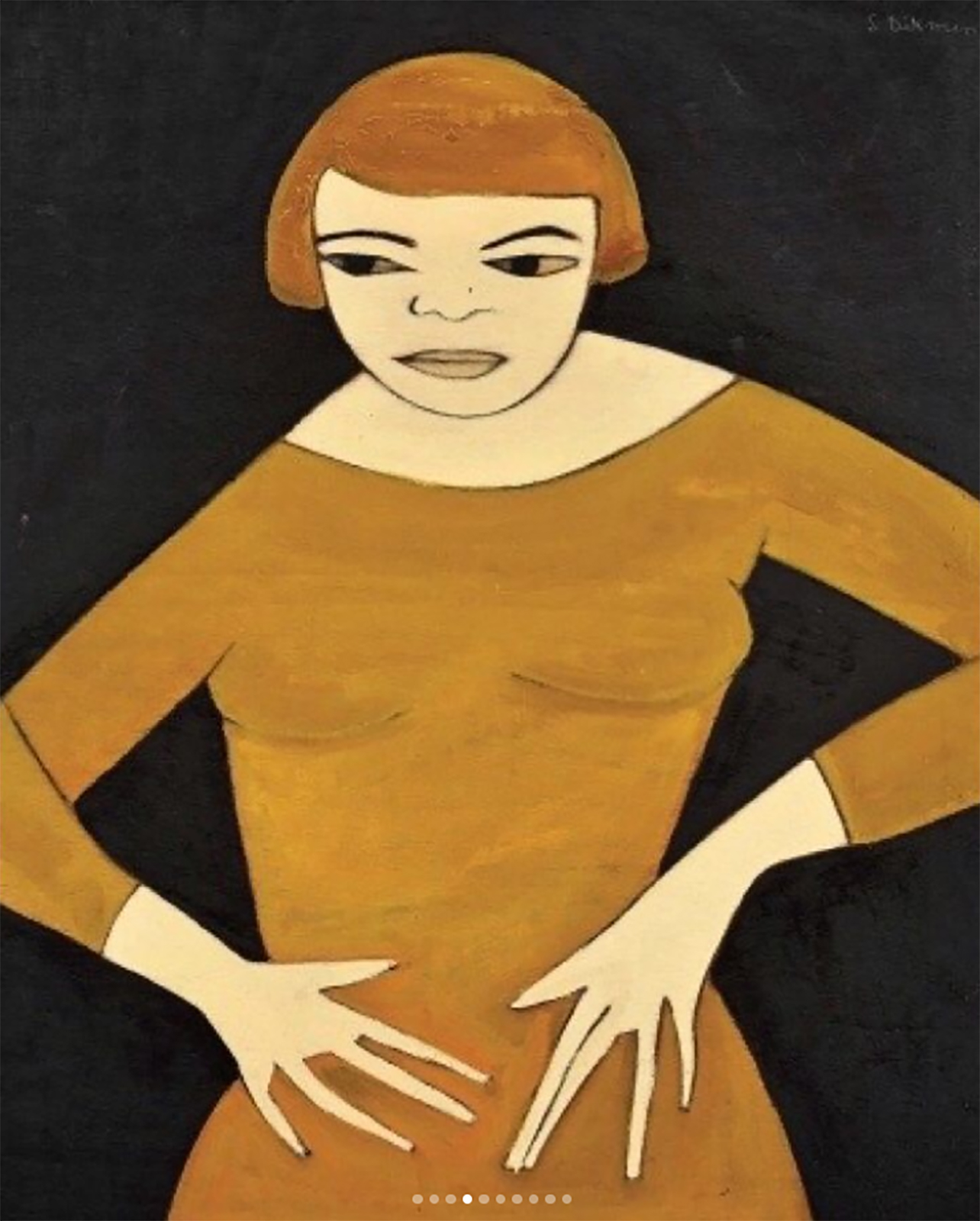
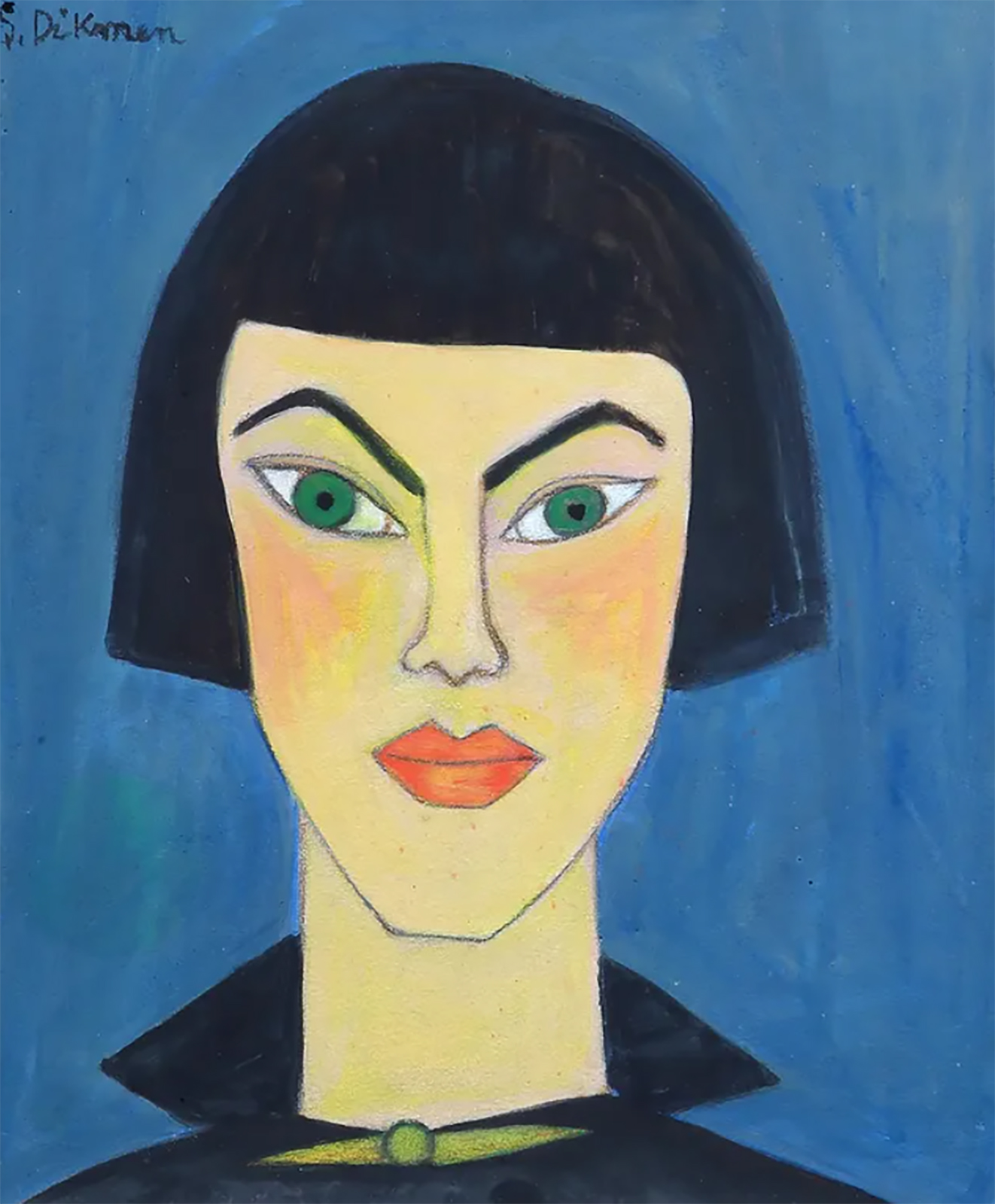
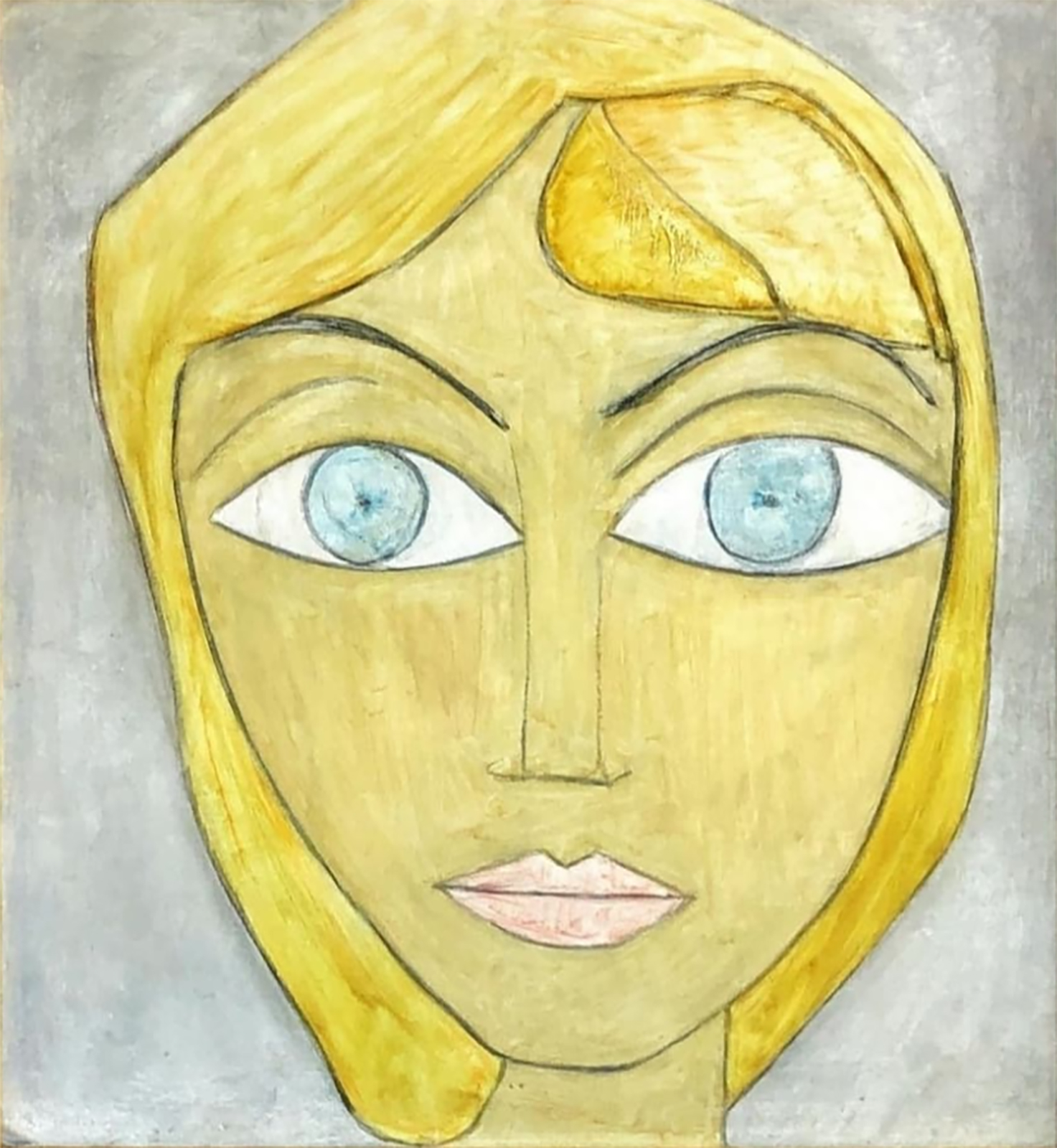
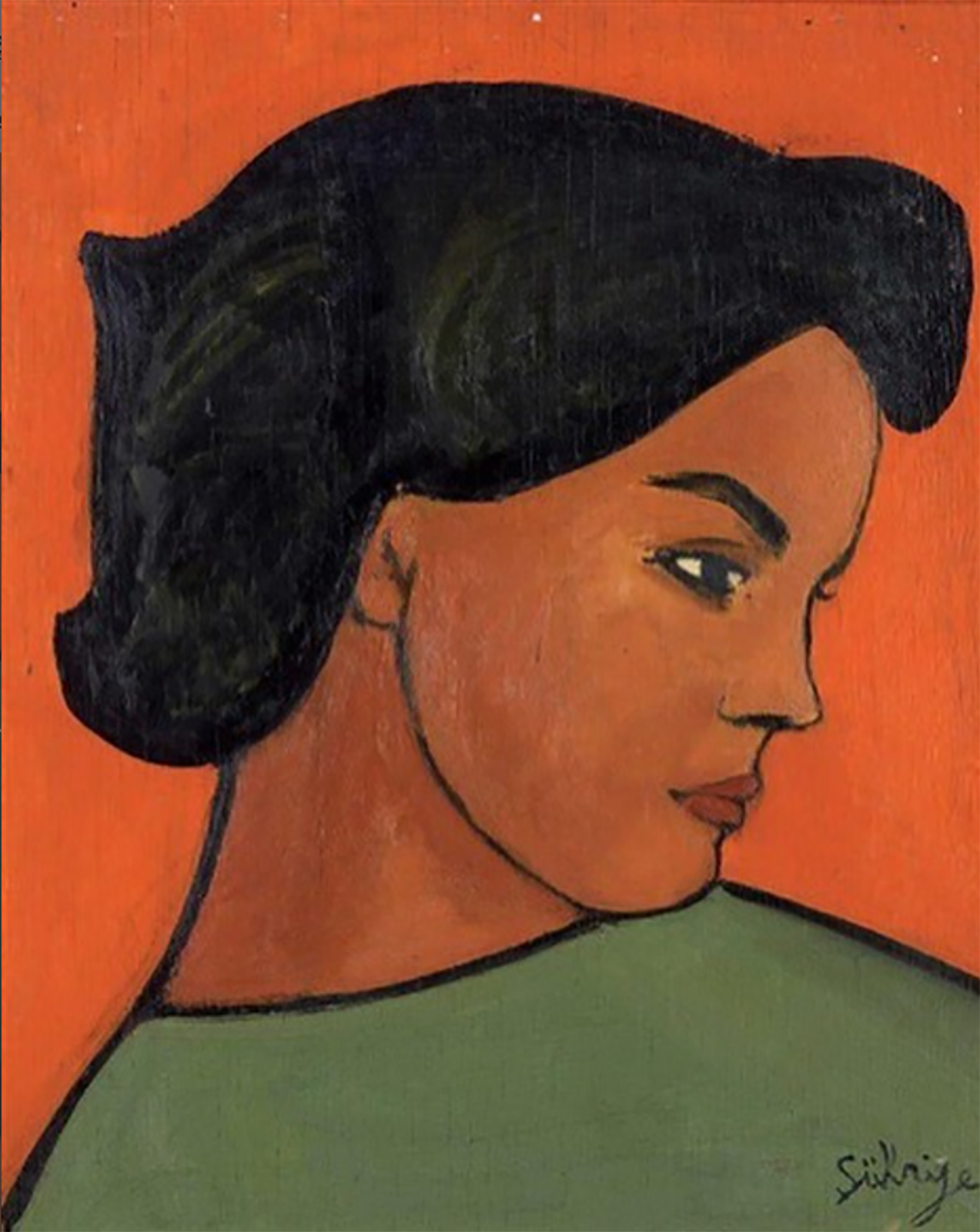
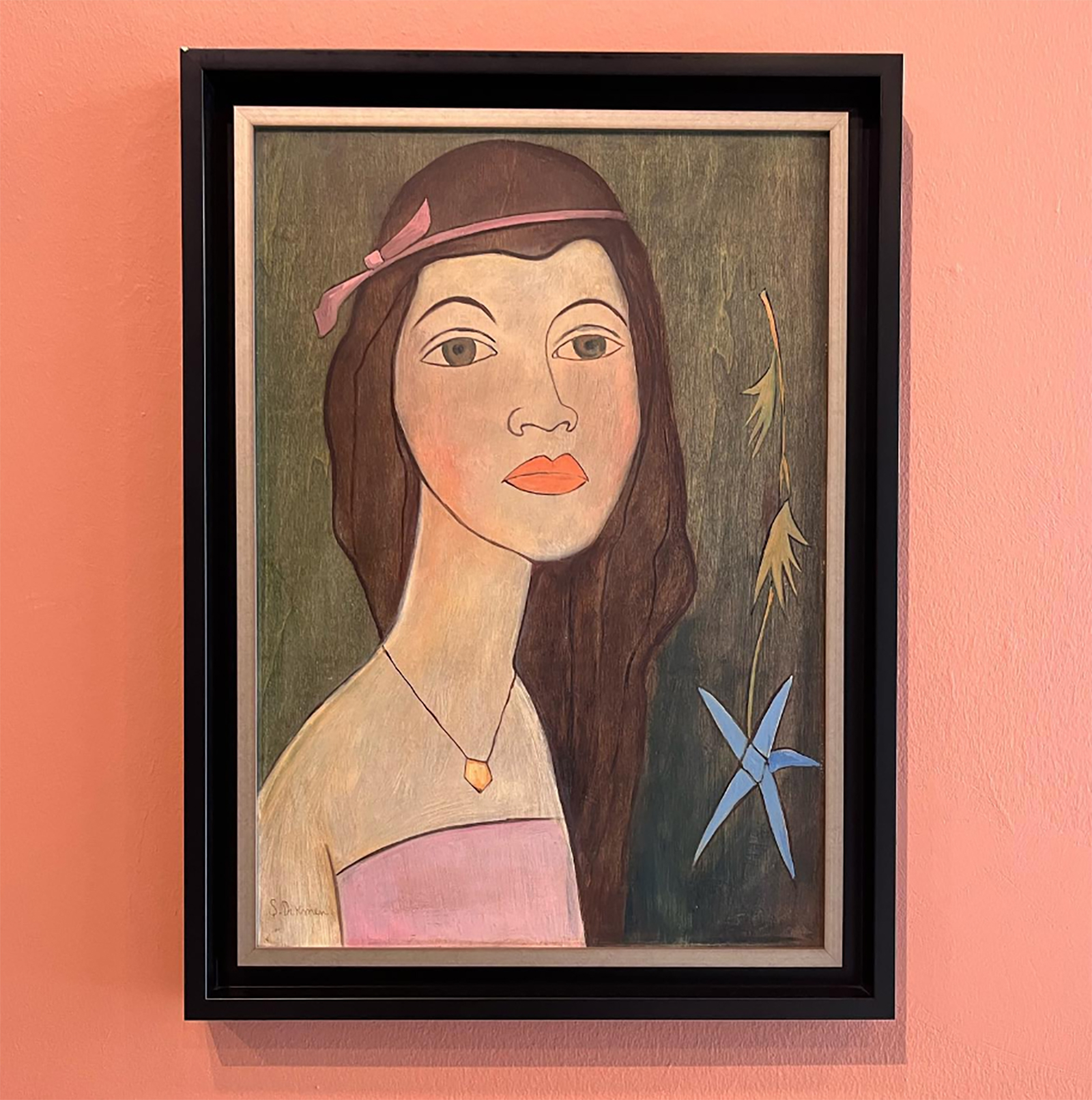
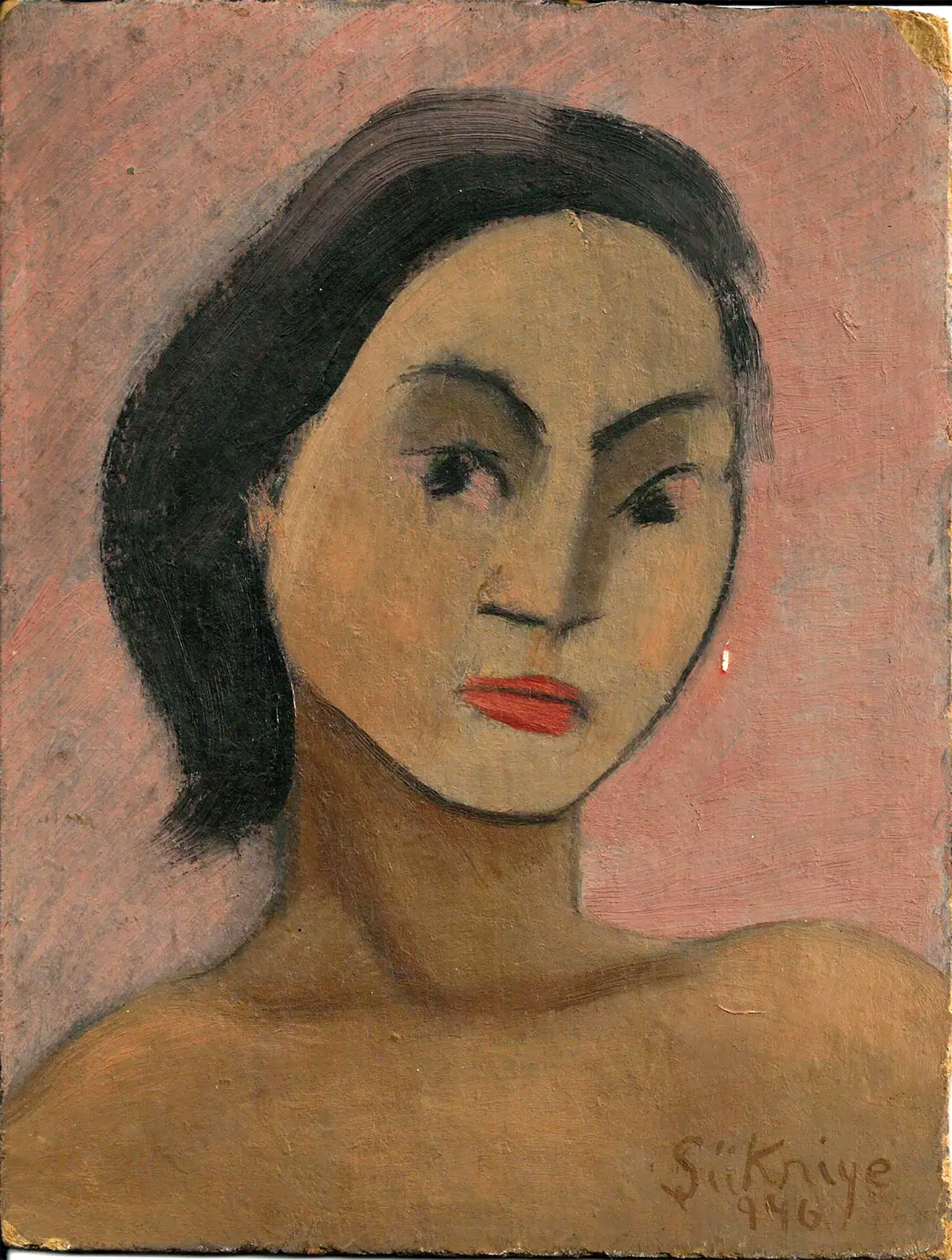
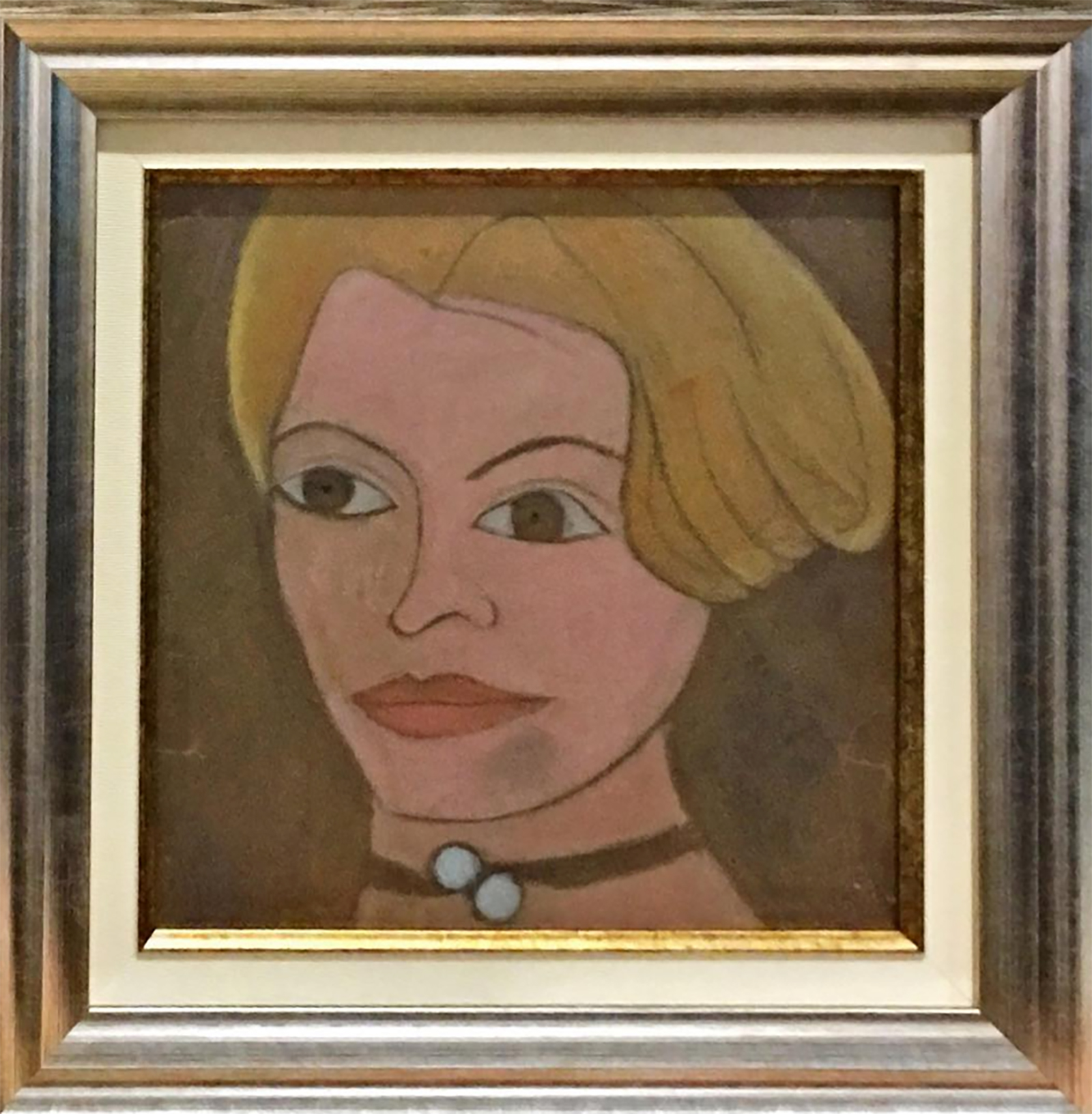
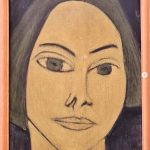
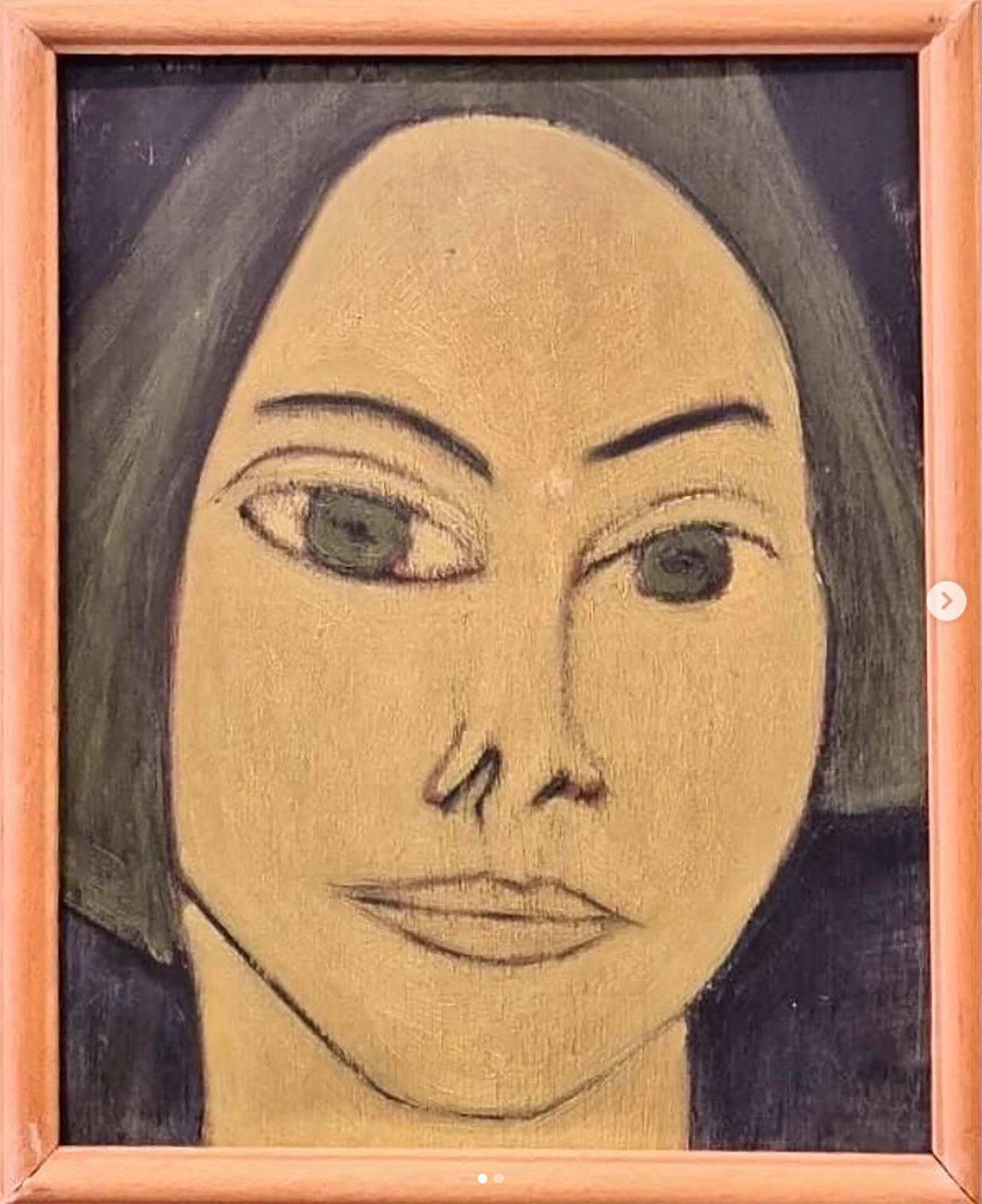
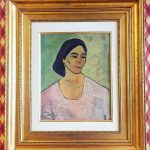
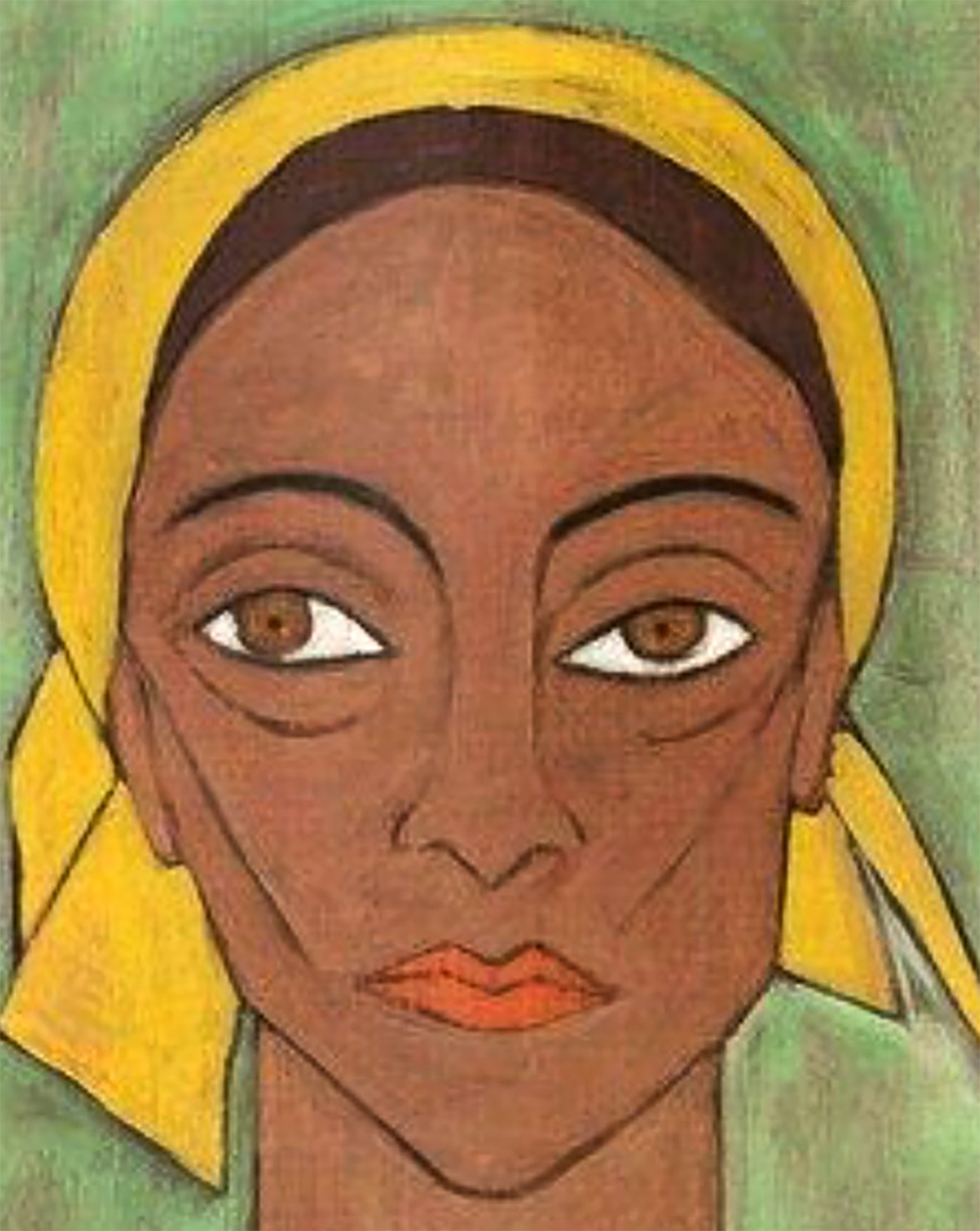
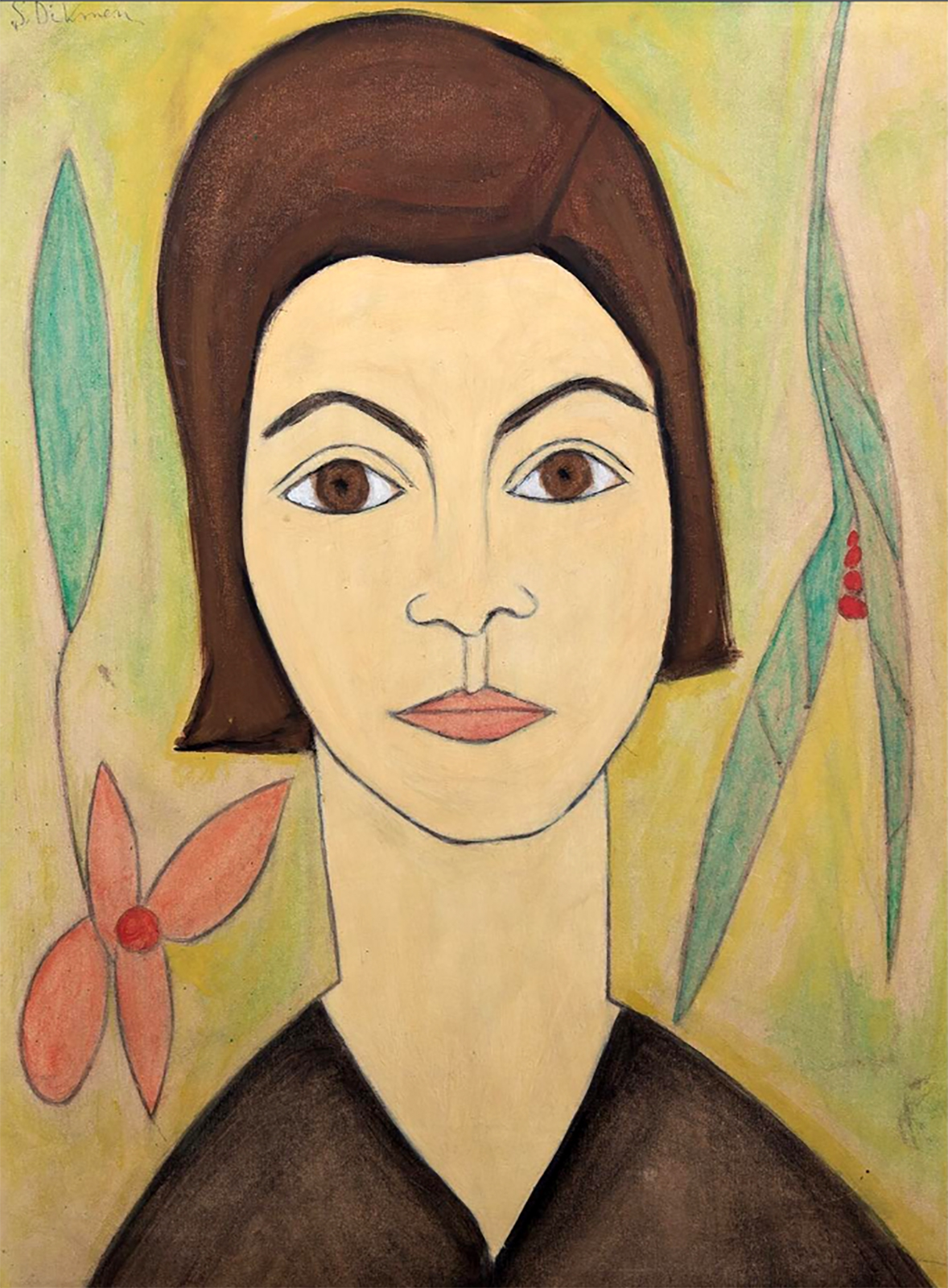
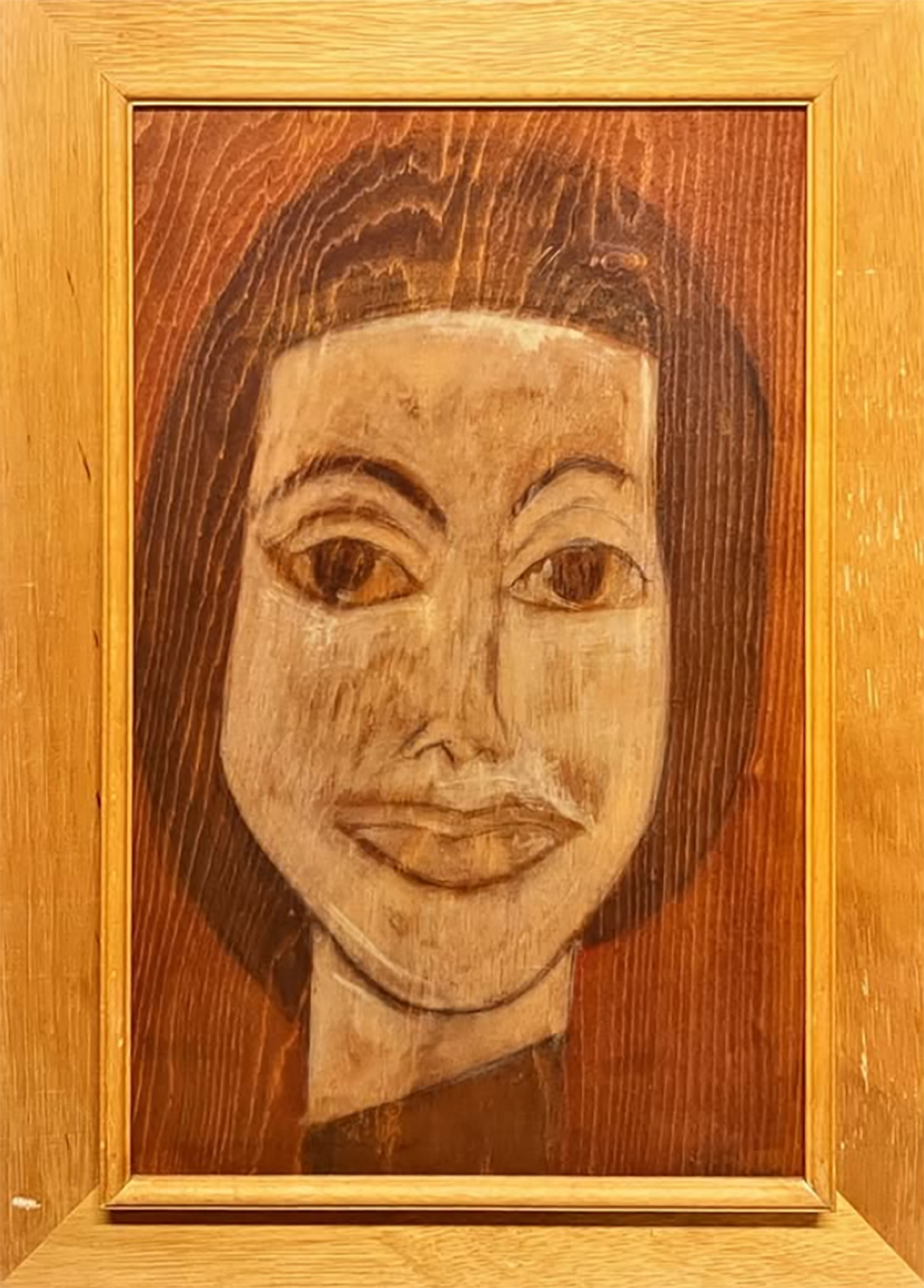
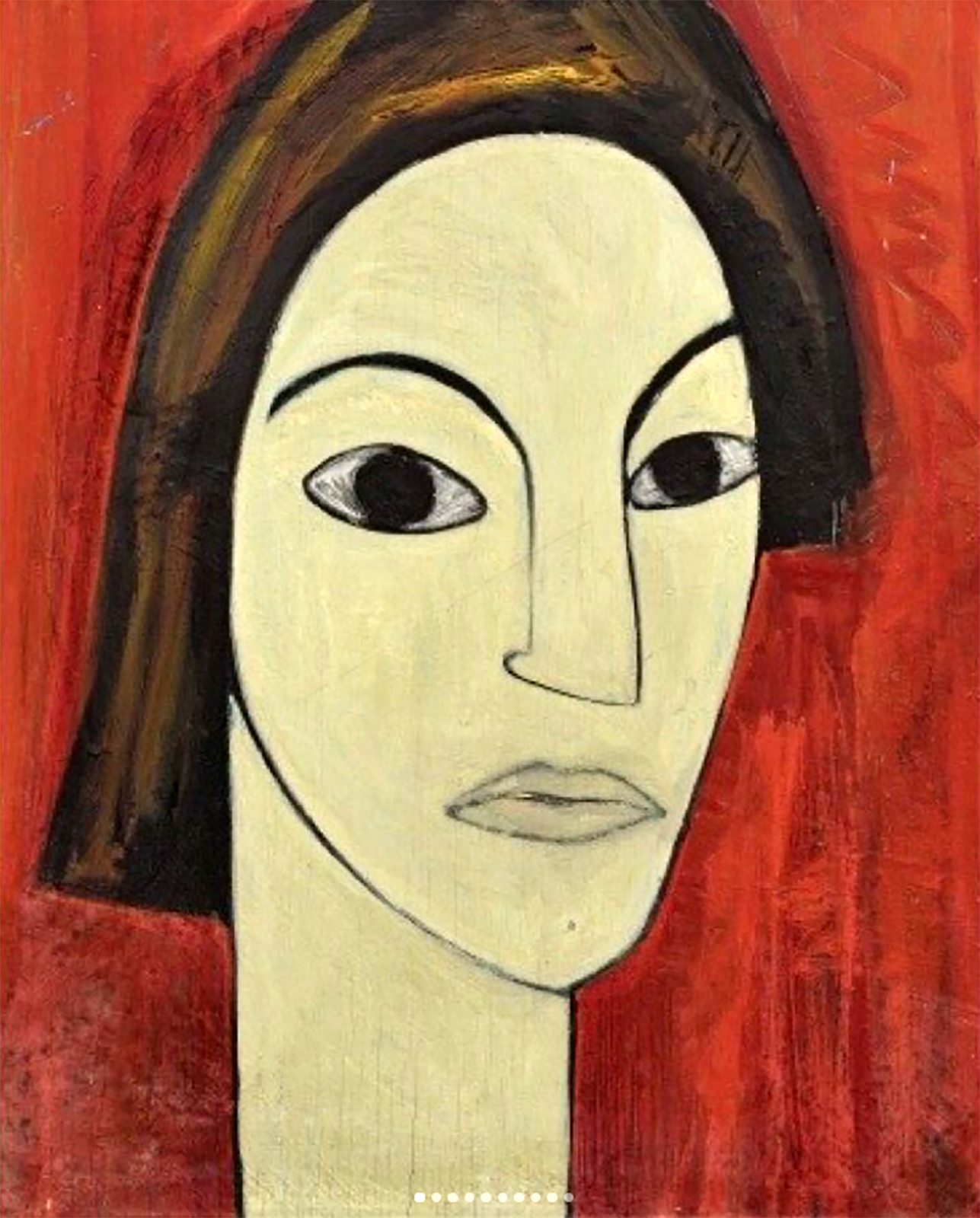
The human figure is at the center of Şükriye Dikmen’s painting. Especially portraits of women and children constitute the artist’s most characteristic works. The figures are often depicted in a frontal pose, against a simple background, and in a composition that directly engages the viewer.
There is no intense expression on the faces; on the contrary, a calm and introspective atmosphere prevails. This tranquility is the most distinctive feature of the paintings. The figures are devoid of dramatic gestures; emotion is conveyed not through exaggerated facial expressions, but through the depth of the gaze and the silence of the surface.
Naive Effect and Formal Simplicity:
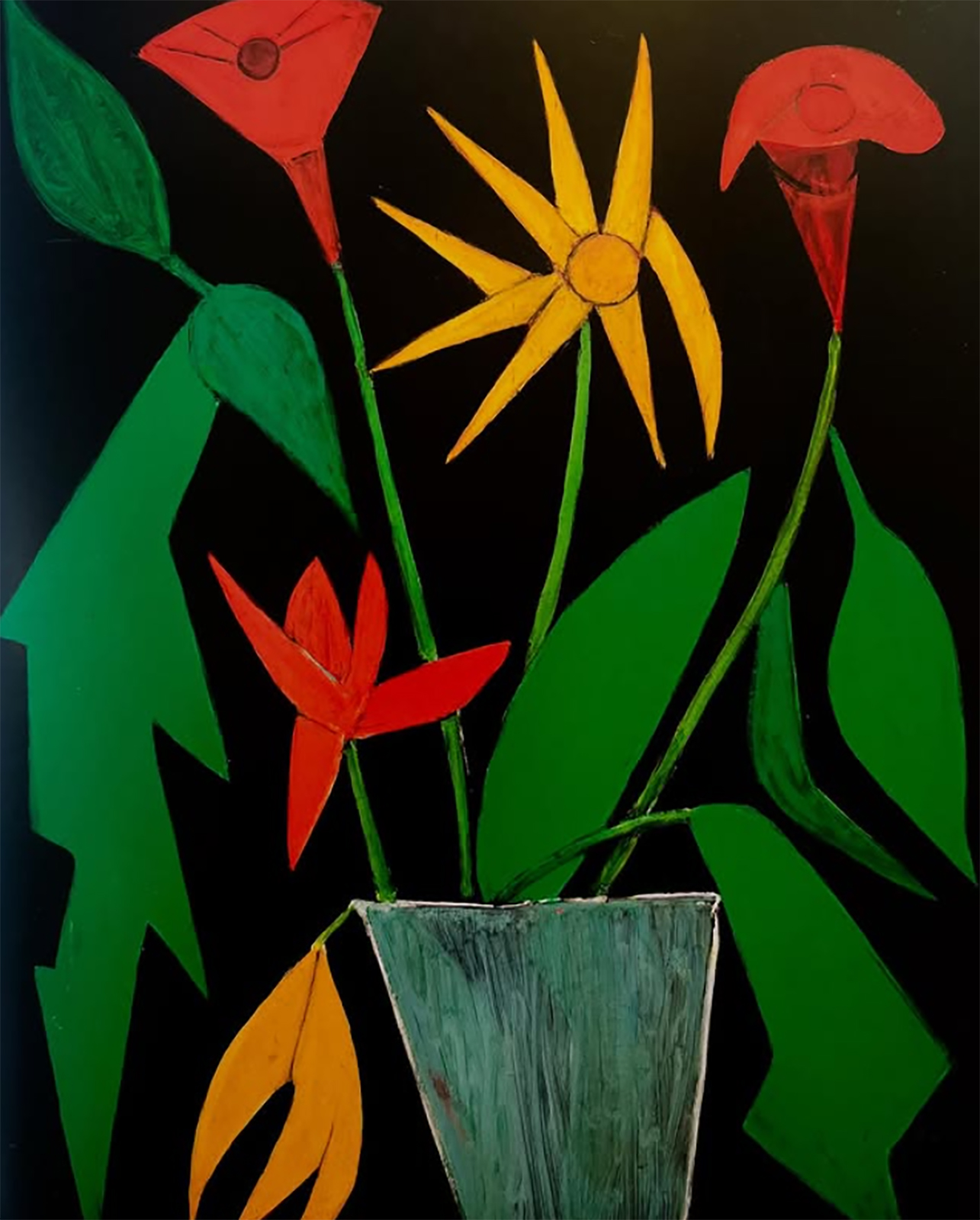
Dikmen's paintings are often described with a "naive" effect; however, this naivety stems not from technical inadequacy, but from a conscious simplification. The lines are simple, the color palette is limited, and the compositions are devoid of unnecessary details.
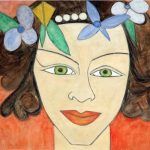
The faces of the figures have rounded features, and their eyes are large and prominent. The space is often limited by a plain colored background. Perspective and depth are secondary; superficial arrangement stands out as a conscious choice. This approach demonstrates the artist's unique balance between modernist tendencies and traditional figurative understanding.
Color and Surface;
Şükriye Dikmen's understanding of color is measured. Pastel tones, light backgrounds, and calm color transitions dominate her paintings. Instead of creating dramatic contrasts, color establishes an atmosphere that supports the figure's mood.
Brush strokes are not prominent on the surface; the paintings leave a smooth and serene effect. This technical choice reinforces the feeling of inner peace in the paintings.
Contribution to the Portrait Tradition
The artist's strongest point is in the field of portraiture. In her portraits, she creates a timeless human image that transcends individual identity. The figures symbolize a universal state of loneliness and inner clarity, rather than being representatives of a specific social context.
The fragility, innocence, and silence seen in the female and child figures form the fundamental emotional axis of her art.
Artistic Positioning and Period;
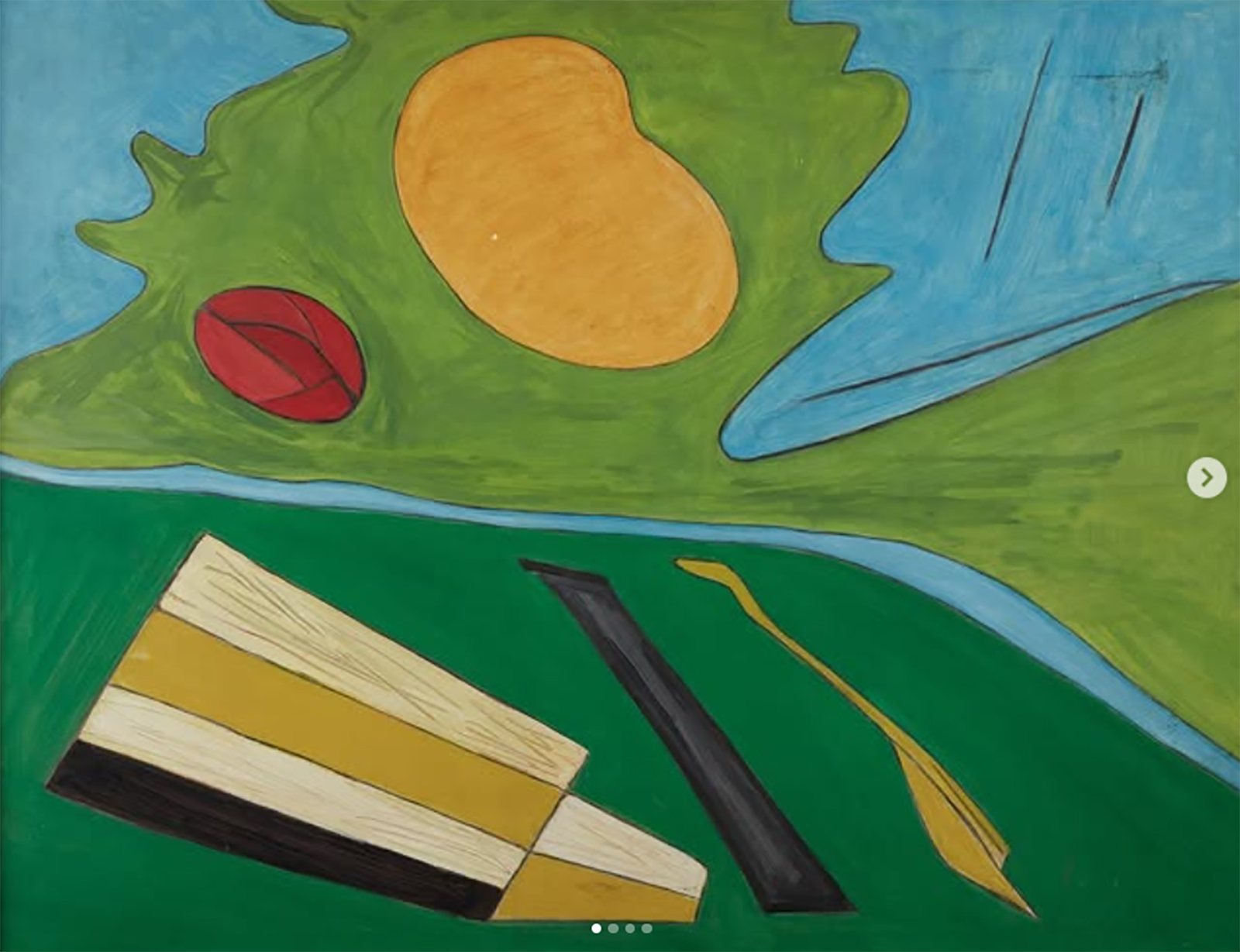
Şükriye Dikmen produced works during a period when the figurative trend continued in Turkish painting after 1950. During the years when abstract art was gaining strength, she did not abandon the figure, but reinterpreted it in a simplified and stylized form. In this respect, she neither adhered to academic realism nor completely turned to abstraction. She created a self-contained, poetic, and timeless world of figures.
Her Position in Turkish Painting History:
Şükriye Dikmen holds a unique and distinctive place among female artists in Turkish painting. Her interpretation of figurative painting within simplified forms and a lyrical atmosphere sets her apart from her contemporaries.
The introspective, silent, and timeless understanding of the figure she developed in the field of portraiture creates a naive-lyrical vein in Turkish painting.
Her continuation of the figure with modern simplicity during a period when abstract trends were on the rise places Şükriye Dikmen in a unique position in the history of Turkish painting. Her works are considered enduring examples of a calm and introspective aesthetic understanding, far from exaggeration.
-
- Şükriye Dikmen
-
- Şükriye Dikmen
-
- Şükriye Dikmen

-
- Şükriye Dikmen

-

- Şükriye Dikmen
-
- Şükriye Dikmen
-

- Şükriye Dikmen
-
- Şükriye Dikmen
-
- Şükriye Dikmen
-
- Şükriye Dikmen
-
- Şükriye Dikmen
-
- Şükriye Dikmen

-
- Şükriye Dikmen
-
- Şükriye Dikmen

-
- Şükriye Dikmen

-
- Şükriye Dikmen

-

- Şükriye Dikmen
-
- Şükriye Dikmen

-

- Şükriye Dikmen
-
- Şükriye Dikmen
-
- Şükriye Dikmen
-
- Şükriye Dikmen
-
- Şükriye Dikmen
-

- Şükriye Dikmen
